






The Invisible Health Toll
The most significant dangers of monsoon travel are often the ones you cannot see. The season creates ideal breeding grounds for a host of illnesses. Stagnant water is a paradise for mosquitoes, leading to a spike in vector-borne diseases like dengue,
malaria, and chikungunya across the country. Contaminated water and food also increase the risk of water-borne infections such as typhoid, cholera, and gastroenteritis. Even the air poses a threat; high humidity allows airborne viruses causing colds and flu to thrive. Moreover, the constant dampness can lead to fungal skin infections, while humid conditions can aggravate respiratory issues like asthma.
Your Vehicle Under Stress
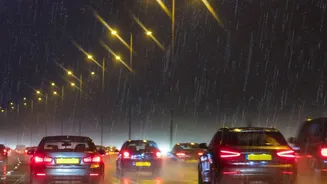
Driving in heavy rain isn't just about reduced visibility. It puts immense strain on your vehicle. Wet roads dramatically reduce tyre traction, increasing the risk of hydroplaning, where your car skids uncontrollably on a thin layer of water. This can happen at speeds as low as 55 km/h. Before you travel, ensure your tyres have adequate tread depth and are properly inflated. Your brakes, lights, and wipers must also be in perfect working order. Driving through deep water can be catastrophic, potentially damaging your engine and electrical systems. It's also crucial to avoid hard braking and sharp turns, and to maintain a much greater following distance than you would in dry conditions.
Stranded by More Than Floods
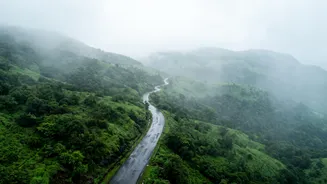
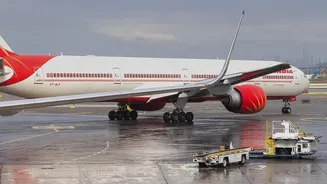
While we often worry about roads being blocked, the monsoon can isolate you in other ways. In hilly regions like Uttarakhand and Himachal Pradesh, landslides are a frequent and dangerous reality, capable of blocking major highways for days and cutting off entire towns. In August 2026, for example, numerous roads in Uttarakhand were blocked due to landslides. This can leave you stranded, forcing you to pay for unplanned accommodation at inflated prices. Even if you're not in the mountains, flight and train schedules are highly susceptible to delays and cancellations due to waterlogging or poor visibility, creating a domino effect of missed connections and forfeited bookings.
Digital and Financial Blackouts
Our reliance on digital connectivity can become a liability during severe weather. Heavy rain and atmospheric moisture can absorb and scatter radio waves, leading to weaker mobile signals and slower data speeds—a phenomenon known as 'rain fade'. This means your GPS navigation might fail when you need it most, and digital payment systems could go offline. The problem is often compounded by power cuts, which can render ATMs non-functional. It is always wise to carry a physical map, download offline maps to your phone, and keep a reasonable amount of cash on hand for emergencies, rather than relying solely on digital infrastructure.
Rethinking Your Insurance
Many travellers assume their standard travel insurance will cover all monsoon-related mishaps, but this is often not the case. It is crucial to read the fine print. While many policies cover trip cancellations and delays, some have specific exclusions for weather-related events. When purchasing insurance, explicitly check for coverage related to trip interruptions caused by weather, including compensation for additional accommodation and meals. Ensure your policy includes robust medical emergency coverage, particularly for the types of illnesses common during the monsoon. Always get a formal certificate from the airline or railway confirming the delay or cancellation, as this will be essential for filing a claim.