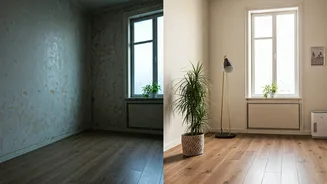









First, Find the Source
Before you can tackle the smell, you need to play detective. A musty odour is almost always a sign of excess moisture or a lack of ventilation. The most common culprits are dampness hiding in poorly ventilated areas like bathrooms, kitchens, and closets.
Everyday activities like showering, cooking, and drying laundry indoors release a surprising amount of moisture into the air. Without good airflow, this humid air gets trapped, leading to that unmistakable stale smell and potentially creating an environment for mould and mildew to grow. Check under sinks, in the back of wardrobes, and around window frames for any signs of dampness or water damage. Sometimes, the issue can be as simple as a slow leak or just stale, stagnant air that needs to be moved.
Boost Your Airflow
The single most effective strategy against mustiness is improving ventilation. The easiest way to do this is by creating a habit of opening windows and doors for at least a few minutes every day to allow fresh air to circulate and push stale, moist air out. If your rental has extractor fans in the kitchen or bathroom, use them every time you cook or shower to pull steam and moisture out of the room. For rooms that feel particularly stuffy, a strategically placed fan can make a big difference. Position a fan near an open window to either draw fresh air in or push stagnant air out. Even leaving a small gap between furniture and walls can help prevent air from becoming trapped and stale.
Deep Clean and Deodorise
Soft surfaces are notorious for trapping odours. Carpets, curtains, and upholstered furniture can hold onto that musty smell long after the initial moisture issue is gone. Sprinkling baking soda liberally over carpets and rugs, letting it sit for several hours or even overnight, and then vacuuming it up thoroughly can absorb a significant amount of the odour. This method also works for mattresses and fabric sofas. For hard surfaces like walls, shelves, and inside cabinets, a simple solution of white vinegar and water is an effective natural cleaner that neutralises odours instead of just masking them. Don't forget to clean out hidden spots like air conditioner filters, as these can accumulate dust and mould, circulating musty air throughout your home.
Control Indoor Humidity
In addition to improving airflow, actively reducing the amount of moisture in the air is key. If you live in a particularly humid climate or your rental is prone to dampness, a dehumidifier can be a worthwhile investment. These appliances work by pulling excess moisture from the air, making the environment less hospitable for mould and mildew. For smaller, enclosed spaces like closets or under-sink cabinets, you can use moisture-absorbing products, such as those containing silica gel or activated charcoal, to keep dampness at bay. Activated charcoal is a fantastic natural deodoriser and moisture absorber. Simple lifestyle adjustments, like covering pots and pans while cooking and avoiding drying clothes on indoor radiators, will also significantly reduce the amount of moisture released into your home's air.
Introduce Natural, Fresh Scents
Once you've addressed the source of the mustiness, you can focus on making your home smell genuinely pleasant. Avoid heavy chemical air fresheners, which often just cover up smells temporarily. Instead, opt for natural solutions. Simmering a pot of water on the stove with citrus peels, cinnamon sticks, and cloves will fill your home with a warm, welcoming aroma. An essential oil diffuser is another excellent way to introduce a light, clean scent; lavender, lemon, and eucalyptus oils are known for their fresh and purifying properties. Placing small, open bowls of baking soda or unused coffee grounds in smelly areas like the fridge or closets can help absorb any lingering odours. Even a few houseplants can help purify the air and add a touch of freshness.