






The Desk-Bound Burnout Cycle
You start the week with great intentions. You hit the gym, pushing through high-intensity workouts because that’s what conventional wisdom says gets results. But as a working adult tethered to a desk, your daily life is already a source of chronic stress.
Adding intense physical stress on top of mental and postural strain can be a recipe for disaster. Soon, the initial enthusiasm fades, replaced by persistent fatigue, moodiness, and a complete lack of desire to exercise. This isn't just laziness; it's exercise burnout, a state of mental and physical exhaustion where your body and mind signal they've had enough. For many, this cycle repeats, making sustainable fitness feel impossible.
When More Effort Backfires
High-intensity interval training (HIIT) has been praised for its efficiency, but it's not a universal solution. Your body perceives intense exercise as a stressor and responds by releasing cortisol. A temporary spike is normal, but if your life is already filled with work deadlines and long hours sitting down, your cortisol levels may already be chronically elevated. Piling on more intense, cortisol-spiking workouts without adequate recovery can push you over the edge, leading to overtraining syndrome. Instead of getting stronger, you feel perpetually drained, your sleep suffers, and your progress stalls. In this state, the gym becomes another source of stress, rather than a release.
The Gentle Power of Low-Intensity Steady-State (LISS)
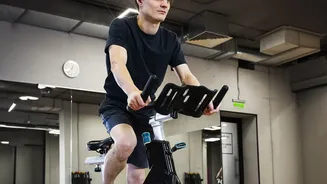
The antidote to this burnout cycle is often found in a gentler approach: Low-Intensity Steady-State cardio, or LISS. Unlike the all-out bursts of HIIT, LISS involves maintaining a consistent, low-to-moderate effort for a longer duration, typically 30 to 60 minutes. Think of a leisurely bike ride where you can still hold a conversation. Cycling is an ideal form of LISS because it is low-impact, placing minimal strain on your joints, which is a huge benefit for anyone, from beginners to those recovering from injury. The focus shifts from intensity to consistency, creating a positive and sustainable relationship with exercise.
Lowering Stress, Not Just Your Heart Rate
Here's the crucial difference: while high-intensity workouts spike cortisol, studies show that low-intensity exercise does not cause a significant increase and can actually help lower circulating cortisol levels. For a stressed-out desk worker, a gentle cycling session can actively help the body shift from a 'fight-or-flight' state to one of recovery. It becomes a tool for stress management, not another stressor to endure. Over time, this type of regular, low-stress activity makes your body more resilient, helping it manage both exercise and everyday stressors more efficiently. It’s a workout that replenishes your energy rather than depleting it.
A Mental Reset on Two Wheels
The benefits of low-intensity cycling go far beyond hormonal balance. The rhythmic, repetitive motion can be incredibly meditative, providing a much-needed mental break from the cognitive demands of a desk job. It’s an opportunity for your mind to wander, process thoughts, or simply disconnect while listening to music or a podcast. This 'moving meditation' helps reduce anxiety and releases endorphins, the body's natural mood-boosters. By making exercise an enjoyable and restorative experience, you break the negative association with fatigue and dread, which is key to preventing the mental side of burnout.
Building a Foundation for Fitness
Choosing low-intensity cycling doesn’t mean abandoning your other fitness goals. Instead, it builds a strong aerobic foundation. These workouts improve your cardiovascular health, enhance endurance, and increase blood flow, which aids in recovery from more strenuous sessions. You can use LISS cycling as an 'active recovery' day between strength training, allowing your muscles to repair while still staying active. By preventing overtraining and burnout, it ensures you can show up for your harder workouts feeling refreshed and ready, ultimately leading to better long-term results than an all-or-nothing approach ever could.