




The Psychology of a Tidy Space
Before diving into design, it is important to understand why a well-organized room matters. Physical clutter directly impacts our mental state. Studies have shown that a disorganized environment can increase levels of the stress hormone cortisol, leading
to feelings of anxiety, distraction, and being overwhelmed. When our spaces are chaotic, our brains have to work harder to filter out irrelevant stimuli, which can reduce focus and productivity. By designing a room where everything has a purpose and a place, you are not just tidying up; you are creating an environment that supports mental clarity and a sense of calm. A room that seamlessly transitions between functions can reduce decision fatigue and the low-grade stress that comes from visual noise.
Create Distinct 'Zones' for Each Activity
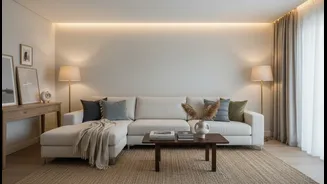
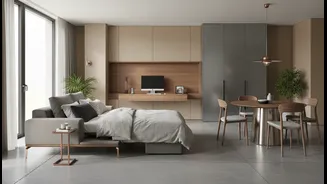
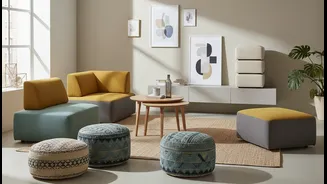
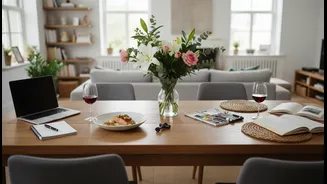
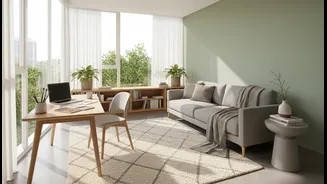
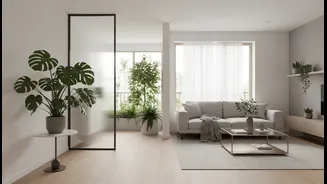
The foundation of a successful multi-purpose room is zoning. This means creating clearly defined areas for each of the room's functions without building walls. You can achieve this separation through clever furniture placement, such as positioning a sofa to create a boundary between the living and work areas. Area rugs are another powerful tool; placing a rug under your seating arrangement or desk instantly anchors that zone. Even lighting can help define spaces. Use brighter, focused task lighting for a work corner and softer, ambient light for the relaxation zone to signal to your brain the purpose of each area. Other options include using open-backed bookshelves or elegant folding screens as stylish, non-permanent dividers.
Invest in Smart, Multi-Functional Furniture
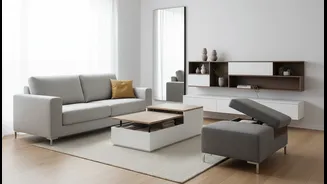
In a room that plays many parts, your furniture must be just as versatile. This is especially true for compact urban apartments in India, where every square foot is precious. A sofa-cum-bed is a classic example, providing comfortable seating by day and a bed for guests by night. Similarly, a set of nesting tables can serve as a coffee table and be separated for individual use when entertaining. Look for beds with hydraulic storage underneath to store extra bedding or seasonal items, which can eliminate the need for an additional bulky cupboard. Other smart choices include storage ottomans that double as seating, extendable dining tables that expand for family meals, and wall-mounted desks that fold away when the workday is over.
Maximize Vertical Space and Hidden Storage
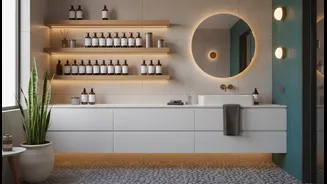
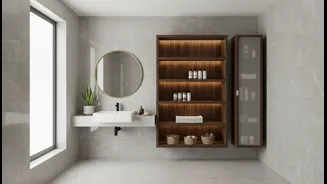
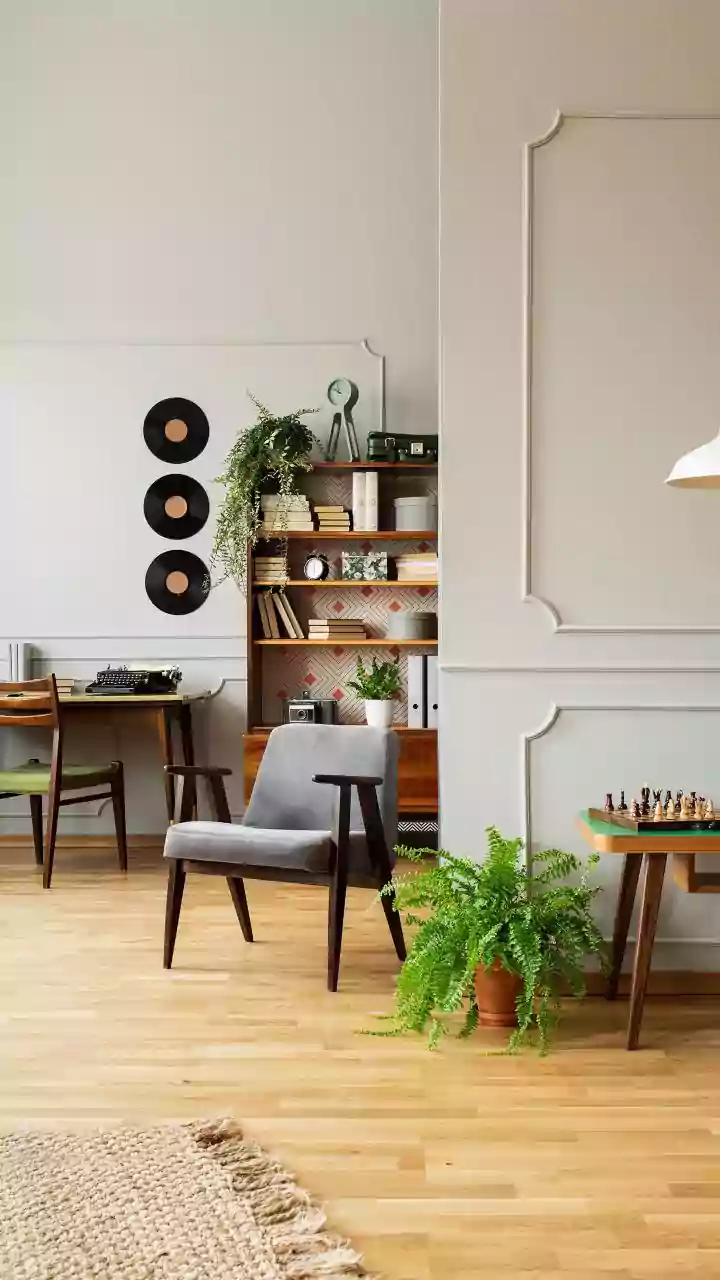
When floor space is limited, the only way to go is up. Using your walls for storage is a game-changer in multi-functional rooms. Floating shelves, tall bookshelves, and wall-mounted cabinets draw the eye upward and free up the floor, making the room feel more spacious and less cluttered. Smart storage is the secret weapon against chaos. Look for furniture with built-in or hidden storage compartments to keep everyday clutter out of sight. This could be anything from a TV console with drawers to a bench with a lift-up top. The goal is to ensure every item has a designated home, so you can quickly tidy up and transition the room from one function to another.
Unify the Space with Colour and Decor
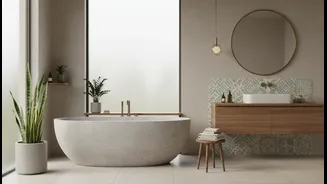
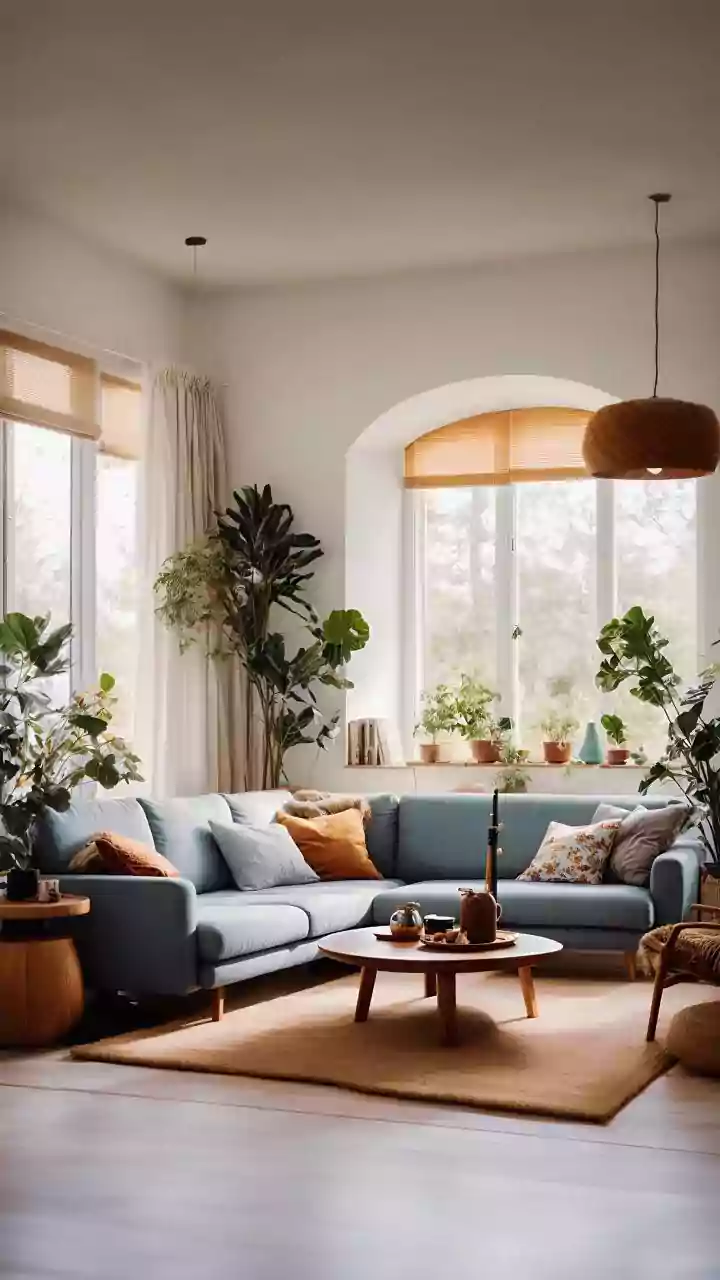
While zoning creates separation, a cohesive decor scheme ensures the room doesn't feel disjointed. Sticking to a consistent and neutral colour palette is an effective way to tie different zones together. Light colours like white, beige, or soft greys can make a room feel larger and more open, providing a calm backdrop for various activities. You can then introduce pops of colour through accessories like cushions, throws, or artwork. Speaking of decor, choose items that are versatile and work across the room's different functions. Mirrors are another excellent tool; they reflect light and create an illusion of depth, making the space feel brighter and more expansive.