


The Post-Pandemic Health Awakening
The primary driver behind the millet revival is a collective health awakening. Urban consumers are scrutinising labels more than ever, and highly processed, sugary breakfast cereals are losing their appeal. Millets, on the other hand, are nutritional
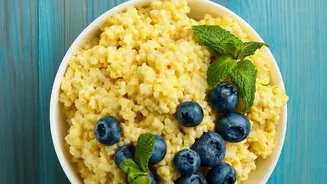
powerhouses. Grains like ragi (finger millet), jowar (sorghum), and bajra (pearl millet) are naturally rich in protein, fibre, and essential minerals like iron, calcium, and magnesium. Unlike refined cereals that can cause blood sugar spikes, millets have a low glycaemic index, providing a slow and sustained release of energy that keeps you full and focused through the morning. For a growing number of people managing lifestyle conditions like diabetes or simply aiming for better gut health and weight management, switching to a millet-based breakfast is a conscious, well-informed choice.
A Return to Culinary Roots
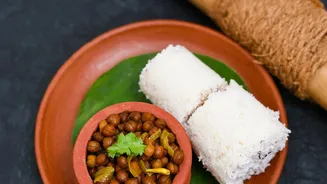
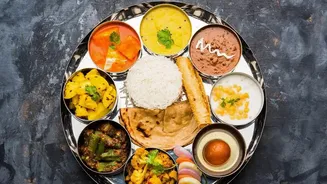
This isn't just about nutrition; it's a cultural homecoming. Millets are ancient grains that were staples in Indian diets for thousands of years before the Green Revolution prioritised wheat and rice. That revolution, while crucial for food security, pushed these diverse grains to the sidelines, often branding them as food for rural or lean times. Today, there's a renewed pride in traditional food wisdom. Younger generations are rediscovering the foods their grandparents ate, not as a step back, but as a way to reconnect with a rich culinary heritage. This revival is supported by a government push, with initiatives like the 'International Year of Millets' in 2023 helping to shed the old stigma and rebrand these grains as 'nutri-cereals'.
Convenience Finally Catches Up
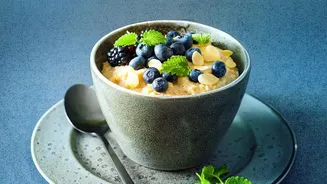
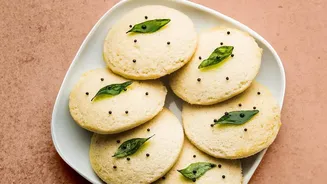
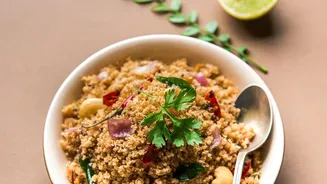
For decades, the biggest advantage of packaged cereals was speed. A busy professional or parent could have a bowl ready in two minutes. Millets, traditionally, required more prep time. This is the gap that a new wave of Indian food brands is successfully closing. Companies like Slurrp Farm, True Elements, and Soulfull are flooding the market with ready-to-cook millet options that cater directly to the urban lifestyle. You can now find instant ragi dosa mixes, jowar upma, millet muesli, and even millet-based pancake mixes that are just as convenient as their processed counterparts. This fusion of traditional nutrition with modern convenience is perhaps the single most important factor making millets a practical reality in metro kitchens.
The Modern Millet Ecosystem
The trend is being amplified from all sides. High-end restaurants and five-star hotels are incorporating millets into contemporary dishes, from salads to puddings, lending them a gourmet appeal. Food delivery platforms are seeing a rise in searches for millet-based meals, and many now feature 'healthy' filters that prominently display these options. This creates a powerful feedback loop: as demand grows, more FMCG companies and startups invest in millet products, making them more visible, accessible, and varied. From puffed millet snacks to millet flour for baking, these ancient grains are no longer confined to a single meal, but are being integrated throughout the day, signalling a deeper, more permanent dietary shift.