

Understanding Monsoon-Specific Dangers
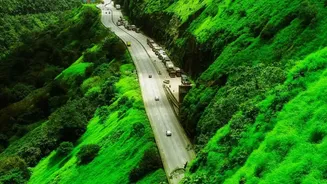
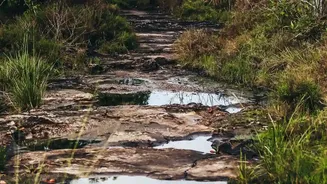
Trekking in the monsoon is not just about dealing with rain; it's about navigating a changed landscape. The primary dangers are not the downpours themselves but their consequences. Trails become extremely slippery, with wet lateritic and basaltic rock
turning as slick as glass. Seemingly small streams can swell into dangerous, uncrossable torrents in minutes due to upstream rainfall, a phenomenon known as a flash flood. Add to this the persistent threat of landslides on saturated slopes, reduced visibility due to dense fog, and the simple fact that everything stays damp, increasing risks like hypothermia.
Plan and Prepare Before You Leave
A safe trek begins at home. Before you even pack your bag, check for official advisories. During peak monsoon (June-September), district authorities in Maharashtra, Karnataka, and Kerala often issue restrictions or outright bans on certain high-risk trails. For 2026, many popular routes like Kumara Parvatha are closed for the season, while others may require permits and local guides. Always check the latest weather forecasts from a reliable source like the IMD, not just for your location but for the entire catchment area of the trail. Inform a reliable contact about your detailed itinerary and your expected return time. Finally, never trek alone in the monsoon; go with a group and, if you're unfamiliar with the terrain, hire an experienced local guide who understands the local conditions.
Gear Up for a Drenching
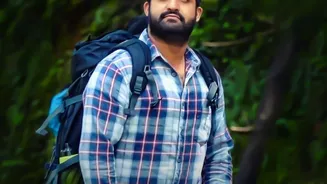
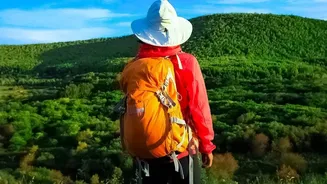
Your gear is your first line of defence. The goal isn't just to stay dry, but to manage being wet. A high-quality poncho or a rain jacket and pants are non-negotiable. Invest in proper trekking shoes with deep lugs for superior grip on slippery surfaces; sneakers or casual shoes are dangerously inadequate. Your backpack needs a rain cover, but for true protection, line the inside with a large plastic bag or use individual dry bags for electronics, clothing, and your sleeping bag. A trekking pole is invaluable for maintaining balance on tricky sections and probing the depth of water crossings. Also, pack a basic first-aid kit, extra batteries for your headlamp, and high-energy snacks.
Smart Decisions on the Trail
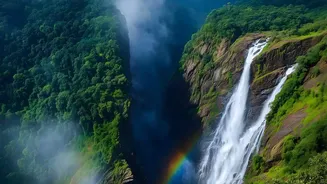
Once on the trail, your judgment is your most critical piece of equipment. Start your trek early to maximize daylight and avoid afternoon weather changes. Walk slowly and deliberately on slippery patches. The most crucial decision you might face is whether to cross a stream. If the water is fast-flowing, muddy, or you cannot see the bottom, do not attempt to cross. A stream that was ankle-deep in the morning can become a deadly torrent after a brief, intense shower. Be wary of taking selfies in risky spots near cliff edges or waterfalls, as many accidents are linked to such behaviour. If you feel conditions are worsening or a member of your group is struggling, do not hesitate to turn back. The mountains will always be there for another day.
Dealing with the Wildlife and Pests
The monsoon brings out more than just greenery. Leeches are a common, though mostly harmless, nuisance on wet forest trails. Wearing leech socks or tucking your pants into your socks can help. Carry salt or a sanitiser to dab on them for easy removal. More serious concerns include snakes, which may be more active, and mosquitos, which can carry diseases. Use insect repellent and check your clothes and shoes before putting them on. By being aware and taking simple precautions, you can ensure that these smaller inhabitants of the Ghats don't ruin your bigger adventure.