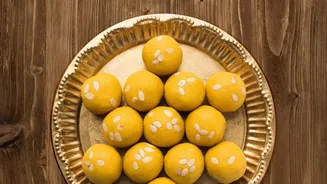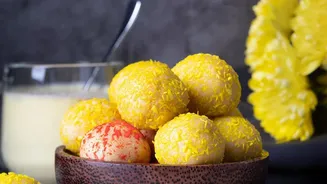


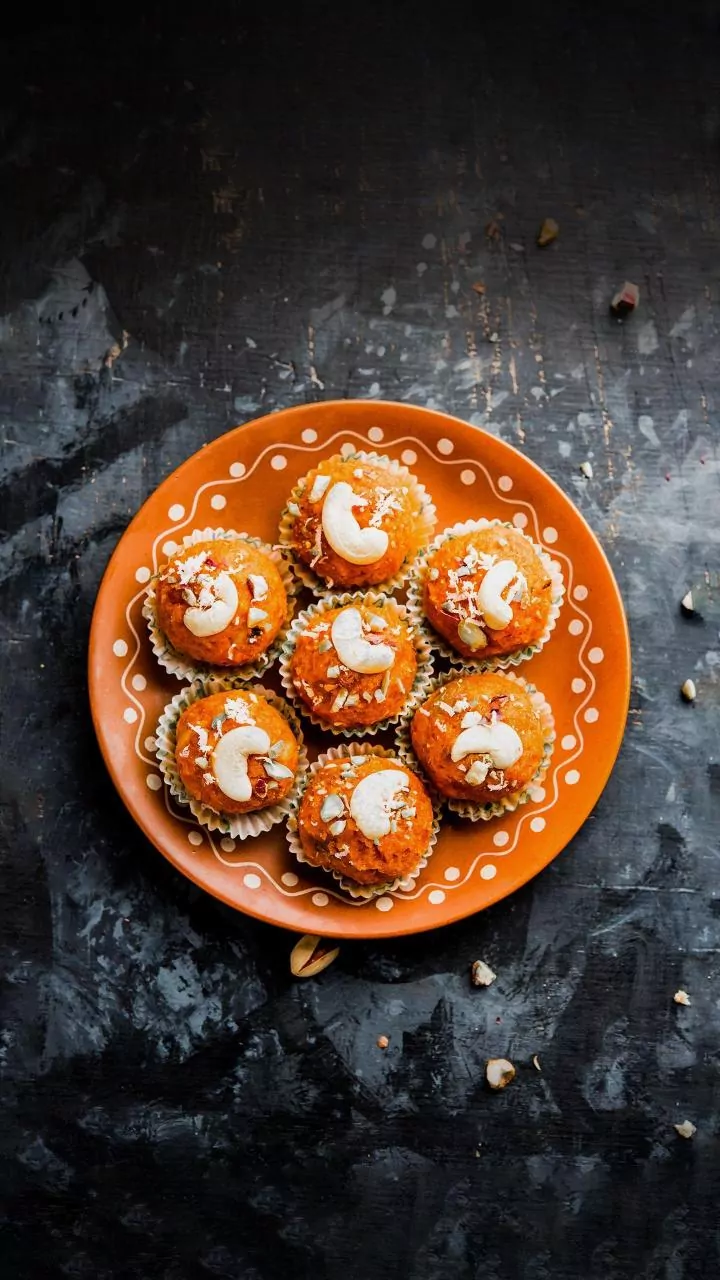


A festive staple, the besan ladoo is a delight. But the frustration is real when your lovingly prepared mixture crumbles instead of holding its shape. The secret to soft, melt-in-your-mouth ladoos lies in a few key details.
The Foundation: Choosing Your Besan
The journey to the perfect ladoo
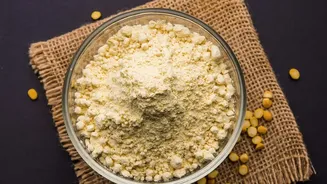
begins with your main ingredient: besan, or gram flour. Traditionally, a coarser variety of besan is used to achieve a grainy, melt-in-the-mouth texture. This type, often labelled as 'ladoo besan', is ideal. However, if you can only find the fine variety, don't worry. You can still achieve a wonderful texture. Some cooks recommend adding a tablespoon or two of fine semolina (sooji) to the fine besan to replicate that desirable grainy bite. Whichever you use, ensure it is fresh; old besan can have a bitter taste that no amount of sugar or ghee can hide.
The Heart of the Matter: Roasting to Perfection
This is the most critical step and where most recipes go wrong. Roasting besan is a test of patience. It must be done on a low to medium-low flame, stirring continuously. Rushing this process on high heat will result in a raw, floury taste or, even worse, burnt and bitter besan. The process can take anywhere from 15 to 45 minutes, depending on the quantity and the pan. You are looking for three key signs: the colour will change from pale yellow to a golden brown, the mixture will loosen and release the ghee, and a deeply nutty aroma will fill your kitchen. An under-roasted flour is the primary culprit for ladoos that stick to your teeth.
Getting the Proportions Right: Ghee is Key
Ghee is what binds the ladoo and gives it a rich flavour. However, the amount is a delicate balance. Too little ghee will result in a dry, crumbly mixture that refuses to bind. Too much, and the mixture will be too loose and greasy to hold a shape. A common ratio is 2:1 of besan to ghee by weight. The best approach is to start by adding about half to two-thirds of the ghee and incorporating more as you roast if the mixture feels too dry. If you do add too much ghee, you can either let the mixture sit for a while to absorb it, or roast a bit more besan separately and add it to the mix to correct the consistency.
The Sweet Secret: When to Add Sugar
Timing is everything when it comes to adding sugar. Most recipes call for powdered sugar for a smoother texture. The cardinal rule is to never add sugar to a hot besan mixture. Adding sugar when the besan is piping hot will cause it to melt, resulting in a sticky, oily mixture that won't form proper ladoos. Instead, you must allow the roasted besan to cool down until it is just warm to the touch. This temperature is warm enough to allow the sugar to mix in smoothly but cool enough that it doesn’t melt and dissolve completely, preserving the desired texture.
The Art of Shaping Without Crumbling
Once your mixture is at the perfect lukewarm temperature, it's time to shape the ladoos. If the mixture feels too dry and crumbly at this stage, it means you need a little more binder. Simply add a tablespoon or two of warm, melted ghee and mix well. On the other hand, if the mixture is too soft and loose to hold its shape, it's likely too warm or has excess ghee. The easiest fix is to place the entire bowl in the refrigerator for 20–30 minutes. This will solidify the ghee slightly, making the mixture firm enough to handle and shape into perfect, smooth spheres. Grease your palms lightly with a bit of ghee before you start rolling to prevent sticking and to give your ladoos a lovely, glossy finish.