






What is Wood-Fibre Insulation?
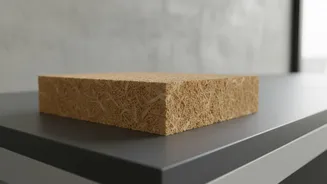
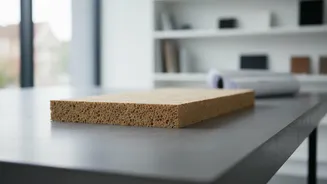
At its core, wood-fibre insulation is a high-performance material made from wood chips and sawmill byproducts, which are otherwise considered waste. The manufacturing process breaks these softwood leftovers down into a pulp. In one common method, water
is added and the mixture is heated, releasing natural glues within the wood that bind the fibres together as it dries. Another process uses a dry pulp bonded with a synthetic glue. The result is a dense, panel-like material that functions as an excellent thermal and acoustic insulator. Unlike many conventional petroleum-based foams, wood-fibre insulation is derived from a renewable resource and is recyclable, making it an attractive option for eco-conscious builders. Researchers are even developing lighter, more versatile 'wood foams' that use foaming agents to create a porous structure without added binders.
The Durability Factor: More Than Just R-Value
Insulation's primary job is to resist heat flow, a property measured by its R-value. While materials like mineral wool might have a slightly higher R-value per inch, wood fibre brings a different kind of strength to the table: thermal mass. Because of its density, wood-fibre insulation is slow to change temperature. This means that on a hot day, it absorbs and stores heat, taking many hours for that heat to penetrate the building's interior. Research shows it can take over 15 hours for heat to pass through wood fibre, compared to just a few hours for lightweight fibreglass. This 'phase shift' helps keep indoor temperatures stable, reducing the reliance on air conditioning. Furthermore, its vapour-permeable or 'breathable' nature allows moisture to escape, which helps regulate humidity and prevents issues like dampness and mould—a key durability concern in varied climates like India's.
Unpacking the True Cost
Initially, wood-fibre insulation can be more expensive than conventional options like fibreglass or some foam boards. Market analysis from 2025 showed its delivered cost was about 10-20% higher than commodity mineral wool in many markets. However, the conversation around cost is shifting from upfront price to lifecycle value. The durability and thermal mass of wood fibre lead to significant long-term energy savings by reducing heating and cooling loads. This means lower electricity bills over the building's lifespan, offsetting the initial investment. As building codes around the world, including green building standards in India like IGBC and GRIHA, increasingly focus on energy efficiency and whole-life carbon accounting, materials that deliver sustained performance become more economically attractive. The durability ensures the insulation doesn't degrade or settle quickly, maintaining its energy-saving properties for decades.
The Sustainability Advantage
Beyond cost and performance, wood-fibre insulation's greatest strength is its environmental profile. It is one of the few insulation materials that can be carbon-negative, meaning it stores more carbon than is emitted during its production and transportation. This is because the original trees absorb carbon dioxide from the atmosphere, and that carbon remains locked within the wood fibres for the life of the product. Buildings account for a massive portion of global energy-related carbon emissions, so using materials that act as carbon sinks is a powerful tool for climate action. Being made from wood industry waste, it promotes a circular economy. At the end of its life, it can be recycled or reused, unlike petroleum-based foams which are slow to degrade in landfills.
Is India Ready for Wood Fibre?
The Indian construction market is dominated by materials like mineral wool, various plastic foams, and locally relevant options like AAC blocks and fly ash bricks. While effective, many of these carry a higher embodied carbon footprint. Natural insulation materials like coir and jute already have a foothold due to local availability. Wood-fibre insulation is largely an imported product for now, which impacts its cost and availability in India. However, its specific properties make it compelling for the Indian climate. Its ability to manage summer heat gain through thermal mass is a significant advantage in a country with long, hot summers. Its moisture-regulating properties are also ideal for handling the high humidity of monsoon seasons. As the push for green-rated buildings and sustainable construction grows in India, wood-fibre insulation presents a high-performance, durable, and eco-friendly solution that aligns perfectly with long-term goals.