



First, Assess Your Light
Before you buy a single plant, take a moment to become a light detective in your own home. You don't need fancy meters; a simple 'shadow test' works wonders. Hold your hand about a foot away from a surface near a window. If it casts a sharp, clearly defined
shadow, you have high or direct light. If the shadow is soft and fuzzy at the edges, that's medium or bright indirect light. If there's only a faint shadow or none at all, you're looking at a low-light area. Generally, south-facing windows offer the most intense light, while east and west-facing windows provide medium light. North-facing windows give the least, making them prime low-light zones. Understanding this is the foundation of good plant parenthood.
Thriving in the Shadows: Low-Light Plants
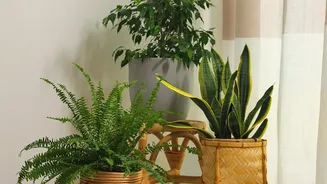
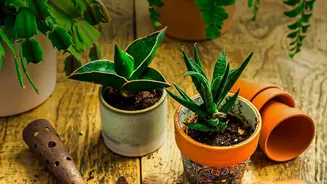
Don't be discouraged by a dim corner or a room with small windows. Many of the most popular and hardy houseplants are perfectly happy with minimal light. These champions of shade are ideal for beginners and busy households across India. The Snake Plant (Sansevieria) is nearly indestructible, tolerating low light and infrequent watering while purifying the air. Similarly, the ZZ Plant (Zamioculcas zamiifolia) is a hero for the neglectful gardener, with glossy leaves that stay vibrant even when forgotten. And you can't go wrong with the classic Money Plant (Pothos), a forgiving vine that can trail beautifully from a bookshelf far from any window.
The Sweet Spot: Medium-Light Plants
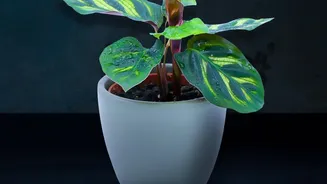
Most indoor spaces fall into this category: bright, but without hours of harsh, direct sun. This is the sweet spot where a huge variety of beautiful plants will flourish. These plants often come from rainforest floors where they receive dappled sunlight under a canopy of trees. The Spider Plant is a fantastic choice, known for being easy to grow and producing little 'pups' you can replant. The Peace Lily is another favourite, with elegant white flowers and leaves that conveniently droop to tell you when it's thirsty. For a pop of pattern, consider a Philodendron or a Calathea; both offer stunning foliage and thrive in the consistent, gentle brightness of a room with an east-facing window or a spot a few feet back from a west-facing one.
Soaking Up the Sun: High-Light Plants
If you are blessed with a sun-drenched windowsill or a south-facing balcony, you can grow a different class of plants. These are the sun-worshippers that need several hours of direct light to thrive. Succulents, like Echeveria and Jade Plants, are classic high-light choices, storing water in their leaves and loving dry, sunny conditions. Aloe Vera is another excellent option for a sunny spot, offering medicinal benefits alongside its architectural beauty. For something more dramatic, a Croton can provide a spectacular splash of colour, but it demands that bright light to maintain its vibrant red, orange, and yellow leaves. A Bird of Paradise (Strelitzia nicolai) can also make a stunning statement piece if you have the space and the sun.
Beyond Light: Water and Care
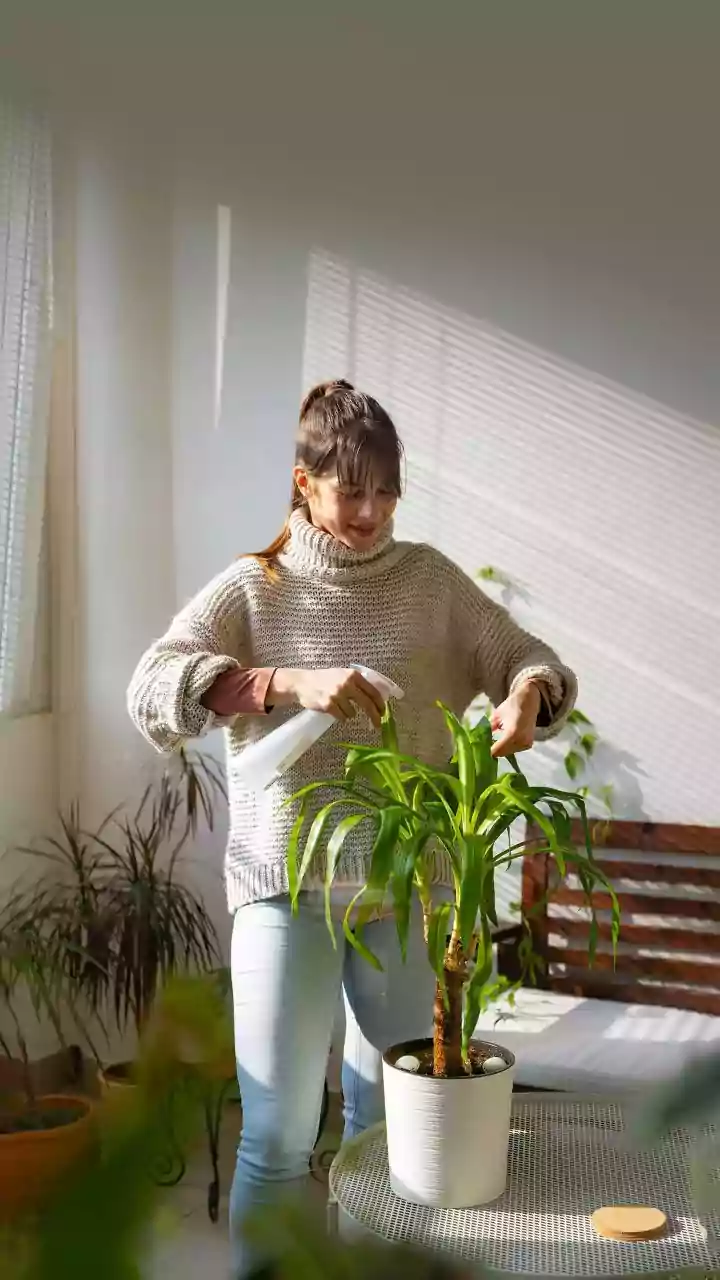
While light is the most critical factor, remember that watering is a close second. The most common mistake beginners make is overwatering. A plant's water needs are directly related to how much light it gets; a plant in a high-light spot will dry out much faster than one in a dim corner. Always check the soil before watering. A good rule of thumb is to stick your finger an inch or two into the soil. If it feels dry, it's time to water. If it's still moist, wait a few more days. Plants in low-light conditions may only need watering every few weeks. Paying attention to your plant's specific needs, beyond just its light preference, will ensure it not only survives but truly thrives in your apartment.