





Why Your Fridge Is Not a Time Machine
A refrigerator is one of the most essential appliances in a modern kitchen, but it's important to understand what it does and doesn't do. Refrigeration slows down the growth of harmful bacteria, but it doesn't stop it completely. Think of it as pressing
the pause button, not the stop button. Bacteria thrive in what food safety experts call the 'danger zone', a temperature range between 40°F (4°C) and 140°F (60°C). Your fridge should be set at or below 40°F (4°C) to keep food out of this zone. However, even at proper refrigeration temperatures, spoilage microorganisms and some dangerous bacteria can still multiply over time. This is why a 'use-by' plan for your leftovers is not just about organisation, but about safety.
The Four-Day Guideline
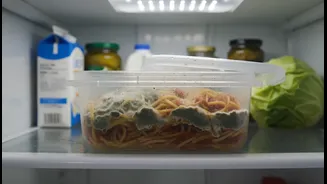
Most food safety authorities, including the US Department of Agriculture (USDA), offer a straightforward guideline: consume refrigerated leftovers within three to four days. This rule applies to a wide range of cooked foods, from meat and poultry to pasta and vegetable dishes. After this period, the risk of food poisoning increases, even if the food looks and smells fine. It's a critical point to remember that many harmful bacteria, such as Salmonella or Listeria, don't produce any noticeable change in the taste, smell, or appearance of food. Therefore, relying on the 'sniff test' is a dangerously unreliable method for judging food safety. While some items, like certain salads, may have a shorter life, the four-day rule is a solid foundation for your leftover plan.
Your Three-Step Leftover Strategy
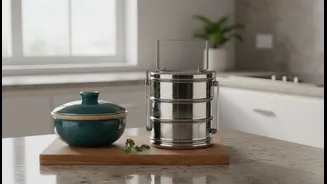
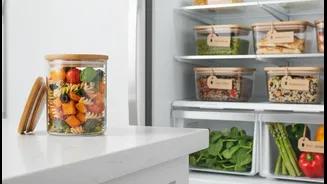
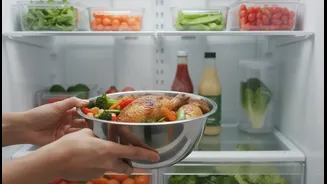
Creating a system is the key to turning leftover anxiety into an efficient process. First, cool food rapidly before storing it. Don't leave perishable food at room temperature for more than two hours (or one hour if it's over 90°F). To speed up cooling, divide large quantities like stews or roasts into smaller, shallow containers. Second, use the right containers. Airtight, clear containers are best because they keep bacteria out, prevent odours from mixing, and let you see what’s inside without opening the lid. Third, and most importantly, label everything. A simple piece of masking tape and a marker are your best tools. Write the name of the dish and the date it was made. This eliminates all guesswork when you're looking for a quick meal.
The Reheating Rule You Can't Ignore
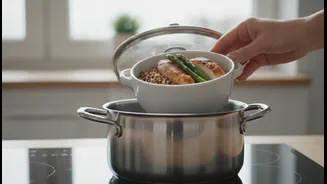
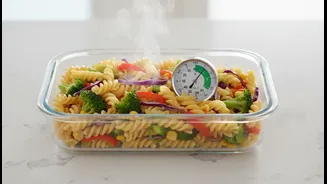
Properly reheating leftovers is the final step in ensuring their safety. The goal is to bring the food to a temperature that kills any bacteria that may have grown during storage. Your target is an internal temperature of 165°F (74°C). The best way to be sure is by using a food thermometer. When using a microwave, cover the food to retain moisture and ensure even heating, stirring it midway through. For sauces, soups, and gravies, bringing them to a rolling boil on the stovetop is an effective way to ensure they are safely heated. It’s also a good practice to only reheat the portion you plan to eat, as repeatedly cooling and reheating food can increase the risk of bacterial growth.
When in Doubt, Throw It Out
This is the golden rule of food safety for a reason. Foodborne illnesses can cause symptoms ranging from mild stomach discomfort to severe vomiting, diarrhoea, and fever, sometimes requiring hospitalisation. Annually, millions of people get sick from contaminated food. The few rupees you might save by eating questionable leftovers are never worth the risk to your health. If you can't remember when you cooked something, or if it has been in the fridge beyond the four-day mark, the safest course of action is to discard it. Adopting a proactive plan helps you trust the food in your fridge, knowing that anything you reach for is within its safe consumption window.