





The Rise of 'Protein Washing'
In the world of nutrition, protein currently wears a crown. It's praised for building muscle, aiding recovery, and increasing satiety. Food companies have noticed this trend and are adding protein to everything from biscuits and chips to cookies and cereals,
a practice known as 'protein washing'. This creates a "health halo" effect, where a single positive claim—like 'high protein'—makes us assume the entire product is healthy. However, adding a sprinkle of protein to a highly processed snack doesn't automatically make it a nutritious choice. Often, these products are still loaded with refined sugars, unhealthy fats, and sodium that can counteract any benefits.
Your Source of Truth: The Nutrition Label
The flashy claims on the front of the package are marketing. The real story is on the back, in the nutrition information panel. In India, the Food Safety and Standards Authority of India (FSSAI) mandates that labels show key information, including a list of ingredients and a nutrition table. The first thing to check is the serving size. This is often the most misleading part of the label, as manufacturers can define a serving as an unrealistically small amount. A packet of biscuits might list a serving as just two or three pieces, when most people would eat more. Always check the serving size first, then look at the protein content for that specific amount.
What Is a Genuinely High-Protein Serving?
So, how much protein is actually a good amount? While individual needs vary based on age and activity level, a simple rule of thumb can help you evaluate a product. Many dietitians consider a food a good source of protein if it offers at least 10 grams of protein for every 100 calories. Another guideline is that a single meal should ideally contain around 20 to 30 grams of protein to support muscle health and fullness. Foods that are naturally rich in protein, like a 100-gram serving of chicken breast (about 26g of protein) or a cup of Greek yogurt (10-16g of protein), easily meet this standard. If a "protein bar" only has 8 grams of protein but 250 calories, it's more of a calorie-dense snack with some protein added.
Look Beyond the Protein Grams
A high protein number isn't the only thing to consider. You must look at the context. For example, peanut butter is often seen as a protein source, but two tablespoons provide only about 7-8 grams of protein alongside 16 grams of fat, making it primarily a fat source. Similarly, many so-called protein bars contain as much sugar as a regular chocolate bar. Check the ingredient list, which is always in descending order by weight. If sugar, glucose syrup, or hydrogenated oils appear before the protein source, the product is likely not a health food. The best protein sources will almost always be whole foods, not processed snacks in a wrapper.
Becoming a Savvy Protein Shopper
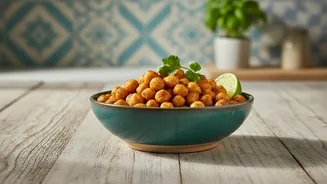
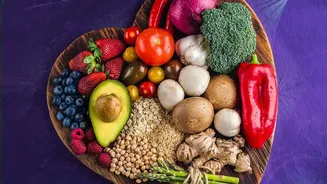
To avoid being misled, adopt a simple strategy: ignore the front-of-pack hype and flip straight to the back. First, check the FSSAI license number to ensure it's a legally compliant product. Next, look at the serving size and the protein grams per serving. A quality protein powder, for instance, should deliver at least 60-75g of protein per 100g of product. Compare the protein to the calories and sugar content. Is the protein content substantial, or is it just a small addition to a product high in sugar and fat? Prioritise natural protein sources like lean meats, fish, eggs, dairy products like paneer and yogurt, and legumes. These foods provide high-quality protein without the added sugars and unhealthy fats often found in processed 'protein' products.