
An Appetite for Authenticity
Not long ago, dining out in India often meant choosing between familiar Indian restaurant staples or their Indo-Chinese counterparts. Today, the culinary landscape is virtually unrecognisable. Diners are actively seeking authenticity, embarking on flavour
journeys that span from remote corners of our own country to distant international shores. This dual movement—looking both inward and outward—is reshaping what it means to eat well in India. Two cuisines, seemingly worlds apart, tell this story perfectly: the rustic, high-altitude fare of Ladakh and the precise, minimalist art of Japanese sushi. Their rising popularity showcases a palate that is more adventurous, informed, and eager for genuine experiences than ever before.
The Call of the Mountains: Discovering Ladakh
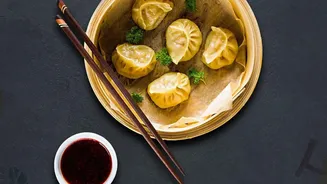
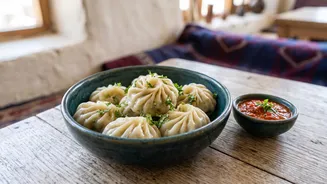
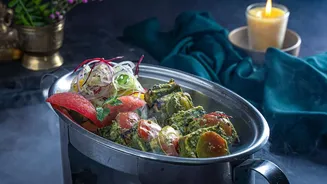
For years, Ladakhi cuisine remained one of India’s best-kept secrets, its unique dishes shaped by the harsh, high-altitude climate. Foods like thukpa (a nourishing noodle soup), momos (steamed dumplings), and skyu (a slow-cooked stew with dough balls and root vegetables) were designed for warmth and energy. These dishes are simple, healthy, and use minimal spices, letting the natural flavours of ingredients like barley, wheat, and local vegetables shine. The recent surge in tourism to Ladakh has brought these flavours to the national forefront. Travellers return with memories not just of stunning landscapes but of unique meals, creating a demand for these dishes in urban centres. Restaurants are responding, and what was once considered niche is now being celebrated as a vital part of India's diverse culinary tapestry. The appeal lies in its honesty and connection to a place, offering a taste of a culture that is both Indian and distinctly its own.
The Global Palate: India's Love for Sushi
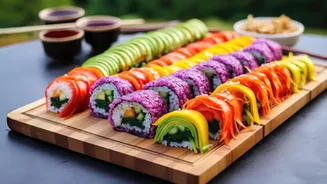
On the other end of the spectrum is India’s passionate and ever-growing affair with Japanese cuisine, particularly sushi. Once an exotic dish confined to the menus of five-star hotels, sushi is now a mainstream phenomenon. Delivery apps report staggering numbers of sushi and ramen orders, while new Japanese restaurants, from casual cafes to high-end omakase counters, are opening in metros and even Tier-2 cities. This boom is fuelled by several factors. Global pop culture, especially anime, has made dishes like ramen and sushi aspirational for a younger generation. Furthermore, as diners become more health-conscious, the clean, fresh, and light profile of Japanese food offers a welcome alternative to richer, heavier fare. The initial skepticism around raw fish has given way to an appreciation for the artistry and technique behind a perfect sushi roll, with vegetarian and fusion versions helping to bridge the gap.
Two Trends, One Shared Desire
How can a diner crave a rustic Ladakhi stew one day and a refined piece of nigiri the next? The answer is simple: both satisfy a hunger for authenticity. The rise of regional Indian cuisines is about discovering the incredible diversity within our own borders. It’s a rejection of the monolithic idea of 'Indian food' in favour of celebrating the distinct culinary identities of places like Ladakh, Nagaland, or Kerala. Simultaneously, the embrace of global cuisines like Japanese food reflects a well-travelled, curious, and connected India. Diners are no longer content with localized imitations; they want the real deal, whether that’s a bowl of pasta that tastes like it does in Italy or a ramen that’s true to its Japanese roots. This is driven by social media, a desire for new experiences, and a willingness to spend on quality. Ultimately, whether the ingredients come from a Himalayan valley or the sea of Japan, the underlying desire is for food that tells an honest story.