





1. Scrutinize the Visuals
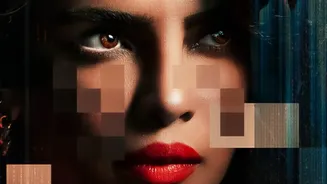
The first and most immediate check involves closely examining the person in the video. Deepfake technology still struggles with the finer details of human appearance and movement. Pay close attention to the eyes and blinking. AI models often create unnatural
blinking patterns, such as a person not blinking for long periods or blinking in a mechanical, repetitive way. The eyes might also fail to reflect light sources consistently. Look at the edges of the person's face, hair, and jawline. You might notice blurring, flickering, or distortion, especially when they move their head. Skin can be another giveaway; it may appear unnaturally smooth, as if a beauty filter has been applied, or it might lack normal pores and wrinkles. Similarly, details like teeth or facial hair can sometimes morph or look too perfect to be real.
2. Listen for Audio Oddities
Your ears are just as important as your eyes when detecting a deepfake. Voice cloning technology has improved, but it often fails to capture the natural cadence and emotion of human speech. Listen for a flat or robotic tone, where the pitch and emotion don't match the context of the words being spoken. Real human speech has small imperfections, like breaths, lip smacks, and micro-pauses, which are often missing in AI-generated audio, making it sound 'too clean' or unnaturally smooth. Another red flag is poor lip-syncing. If the person's mouth movements don't perfectly align with the audio, it's a strong indicator that the video has been manipulated. Also, consider the background noise. If someone is supposedly speaking outdoors but the audio is studio-perfect with no ambient sound, or if background noise cuts in and out abruptly, be suspicious.
3. Check the Source and History
Before you even analyze the video's quality, look at where it came from. Verifying the source is one of the most powerful and reliable ways to protect yourself from misinformation. Who posted the video? Is it a reputable news organization, an official government channel, or a brand's verified account? Or is it an anonymous account with a strange username and no history? Be wary of content from unverified sources, especially if they are new or have very few followers. Do a quick search to see if credible, mainstream outlets are reporting the same story. If a major political figure supposedly made a shocking announcement, it would be covered by major news networks, not just one random account on social media. The absence of corroboration from trusted sources is a significant red flag.
4. Assess the Context
Context is crucial. Malicious deepfakes are often designed to provoke a strong emotional reaction—like anger, fear, or excitement—to make you share them without thinking. The first step is to simply slow down and ask yourself if the content makes sense. Does the video show a public figure saying or doing something completely out of character? Does the request in the video seem unusual, like a CEO asking for an urgent wire transfer via a social media video? These contextual clues are often stronger than any visual artifact. Consider the timing and circumstances. If a video appears during a sensitive political event or a major crisis, its potential to be manipulative is higher. Always question content that seems designed to create division or spread panic. A healthy dose of skepticism is your best defense against believing and spreading a lie.
5. Use Simple Digital Tools
You don't need to be a cybersecurity expert to do some basic digital forensics. If you're suspicious of a video, you can use tools to investigate it further. A powerful technique is the reverse image search. You can take screenshots of key frames from the video and upload them to a search engine's image search function. This can help you see if the image has appeared elsewhere online, potentially in its original, unaltered context. Tools like the InVid browser extension are specifically designed to help analyze videos by breaking them into keyframes for reverse searching and checking metadata. While dedicated AI-powered deepfake detection software is becoming more common, these simple verification habits—checking the source, searching for context, and using a reverse image search—are accessible to everyone and can be highly effective at uncovering fakes.