








The New Social Arena
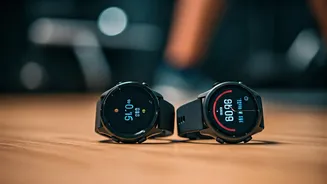
It starts with a simple invitation. A friend adds you to a weekly challenge on their Apple Watch, Fitbit, or Garmin app. The goal: who can log the most steps, burn the most calories, or close their activity rings first? Suddenly, your daily walk isn't
just about health; it's about staying ahead of your college roommate or your office colleague. This trend, a form of 'gamified fitness', taps into our basic human desire for connection and competition. Instead of meeting up for a run, which can be difficult to schedule, friends can now engage in a week-long, low-stakes rivalry that keeps them connected and moving, no matter where they are. It transforms the abstract goal of 'being more active' into a tangible, daily contest with a clear winner and loser, making exercise feel more like a game than a chore.
Motivation Through Competition
Why is this so effective? The answer lies in psychology. For many, the hardest part of fitness is consistency. A gym membership bought in January is often forgotten by March. However, adding a social layer creates powerful accountability. You're not just letting yourself down if you skip a workout; you're falling behind in the group chat leaderboard. This friendly pressure can be a potent motivator. Studies on gamification in health show that leaderboards, badges, and social competition significantly increase physical activity levels. The immediate feedback loop of seeing your friend’s step count creep up on the app can be the perfect nudge to take the stairs instead of the lift or go for an evening stroll instead of settling onto the sofa. It’s a constant, gentle reminder that you’re part of a shared goal, even if that goal is to playfully beat your best mate.
The Digital Battlefield
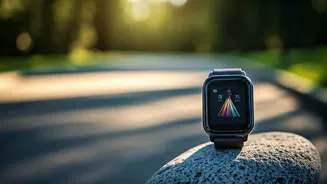
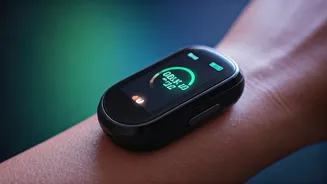
The technology making this possible is seamlessly integrated into our lives. Apple's Fitness app allows users to share activity and start seven-day competitions with a few taps. Fitbit has a robust community feature with 'Adventures' and 'Challenges' that let you and your friends virtually race along famous trails. Garmin Connect offers a similar suite of tools, letting you create custom challenges within your network. These platforms do more than just count steps; they create a narrative. You get notifications when a friend pulls ahead or when you're close to a milestone. This constant stream of updates fosters a sense of ongoing engagement, turning a week-long period into a dynamic event with its own mini-dramas and triumphs. The user-friendly design of these apps ensures that anyone with a smartwatch or tracker can join in, lowering the barrier to entry for this new form of social sport.
The Dark Side of the Duel
But it’s not all fun and games. For some, the constant comparison can turn a healthy motivator into a source of anxiety. The pressure to 'win' can lead to over-exercising, ignoring the body’s need for rest, or feeling guilty for taking a day off. What starts as a friendly duel can become an obsession with data, where the joy of movement is replaced by the stress of hitting a number. This is especially true if the friend group has varying fitness levels, where one person might struggle to keep up, leading to feelings of inadequacy rather than motivation. The line between healthy competition and unhealthy obsession is thin. It’s one thing to be pushed to go for an extra walk; it’s another to feel compelled to walk around your living room at 11 PM just to edge out a friend, sacrificing sleep and well-being in the process.
Keeping it Friendly, Not Fraught
The key to making these step count duels work is to maintain perspective. The goal should be mutual encouragement, not just individual victory. Experts suggest setting ground rules. Celebrate everyone's effort, not just the winner's. Use the chat features within the apps to cheer each other on. It’s also important to be honest about your limits. If you're feeling tired, injured, or simply unmotivated, it's okay to sit one out. The best fitness challenges are those that are flexible and account for real life. Perhaps the focus can shift from pure numbers to consistency, like rewarding everyone who hits a personal goal for five out of seven days. By framing it as a collective effort to be healthier, the competitive element becomes a fun side-effect rather than the sole purpose, ensuring the friendship remains stronger than the rivalry.