




What Is Iodine and Why Do You Need It?
Iodine is an essential trace mineral that your body cannot produce on its own, meaning it must come from your diet. Its most critical role is to help the thyroid gland produce thyroid hormones. These hormones are vital for controlling the body's metabolism,
supporting growth, and ensuring proper brain and bone development, especially during pregnancy and infancy. Think of iodine as the fuel your body's metabolic engine needs to run smoothly. Without enough of it, a wide range of bodily functions can be affected.
India's Fight Against Deficiency
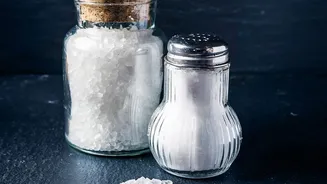
India has a long history of tackling iodine deficiency, which was once widespread across the country, from the Himalayan regions to coastal areas. The soil in many parts of the subcontinent is naturally low in iodine, which means the food grown in it is also deficient. To combat this, the government launched the National Goitre Control Programme in 1962, which later became the National Iodine Deficiency Disorders Control Programme (NIDDCP) in 1992. The core strategy of this highly successful public health initiative has been Universal Salt Iodisation (USI) — fortifying common table salt with iodine. This single step has dramatically reduced iodine deficiency disorders across the nation.
Signs You Might Not Be Getting Enough
Iodine deficiency can manifest in various ways, some subtle and others more obvious. The most well-known sign is a goitre, which is a swelling of the thyroid gland in the neck. Other common symptoms include unexplained weight gain, constant fatigue and weakness, feeling unusually cold, dry skin, and hair loss. In children, a lack of iodine can impair cognitive and motor performance. For pregnant women, deficiency poses serious risks, including miscarriage, stillbirth, and impaired brain development in the baby. Given these risks, awareness is the first step toward prevention.
The Power of Iodized Salt
The simplest and most effective way to ensure adequate iodine intake is by using iodized salt in your daily cooking. Just a small amount can provide a significant portion of your daily requirement. In India, the widespread availability of iodized salt has been a cornerstone of public health, leading to a more than 70% drop in thyroid disorders within a decade of its universal implementation. It's important to note that many processed foods do not use iodized salt, and specialty salts like rock salt (sendha namak) or pink salt are also typically not fortified. For this reason, relying on regular iodized table salt remains the most dependable strategy.
Natural Food Sources of Iodine
While iodized salt is the main source for most, several foods naturally contain iodine. Dairy products like milk and curd (yogurt) are excellent and commonly available sources in India. A single glass of milk can provide a substantial amount of your daily need. Eggs are another reliable source. For those who eat seafood, fish like cod and tuna, as well as shrimp, are rich in iodine. Some vegetables like spinach and potatoes contain smaller amounts. Combining these foods with the use of iodized salt ensures a balanced and sufficient iodine intake.
How Much Iodine Is Enough?
The recommended daily amount of iodine varies by age. According to the World Health Organization and other health bodies, adults and teenagers generally need about 150 micrograms (mcg) per day. The requirement increases significantly for pregnant women to 220-250 mcg and for breastfeeding mothers to 250-290 mcg to support the baby's development. Children's needs range from 90 mcg for young children to 120 mcg for those aged 9-13. It's difficult to get too much iodine from food alone, but it's important to aim for these recommended amounts for optimal health.