

The Science of a 'Complete' Protein
Proteins are made of building blocks called amino acids. Our bodies need nine 'essential' amino acids from food to function correctly. While animal products typically contain all nine, most plant-based foods are considered 'incomplete' because they are low
in one or more of these essential amino acids. The good news is that this is easily solved through a strategy known as protein complementation. Pulses like lentils, beans, and chickpeas are rich in the amino acid lysine but low in methionine. Grains such as rice and wheat are the opposite—low in lysine but containing sufficient methionine. When you eat them together, they fill each other's nutritional gaps, creating a 'complete' protein profile that provides all the essential amino acids your body needs for muscle repair, energy, and overall health.
The Classic: Rajma Chawal
There's a reason this North Indian classic is more than just comfort food; it's a nutritional powerhouse. The combination of kidney beans (rajma) and steamed rice creates a perfectly balanced meal with complete protein. A single plate of rajma chawal can provide around 12 to 19 grams of protein. Rajma is also an excellent source of dietary fibre, which aids digestion, helps regulate blood sugar levels, and keeps you feeling full for longer. This pairing is also rich in essential minerals like iron, magnesium, and potassium, making it a wholesome choice for a satisfying and energising lunch.
The Comfort Bowl: Dal Khichdi
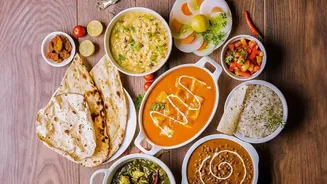
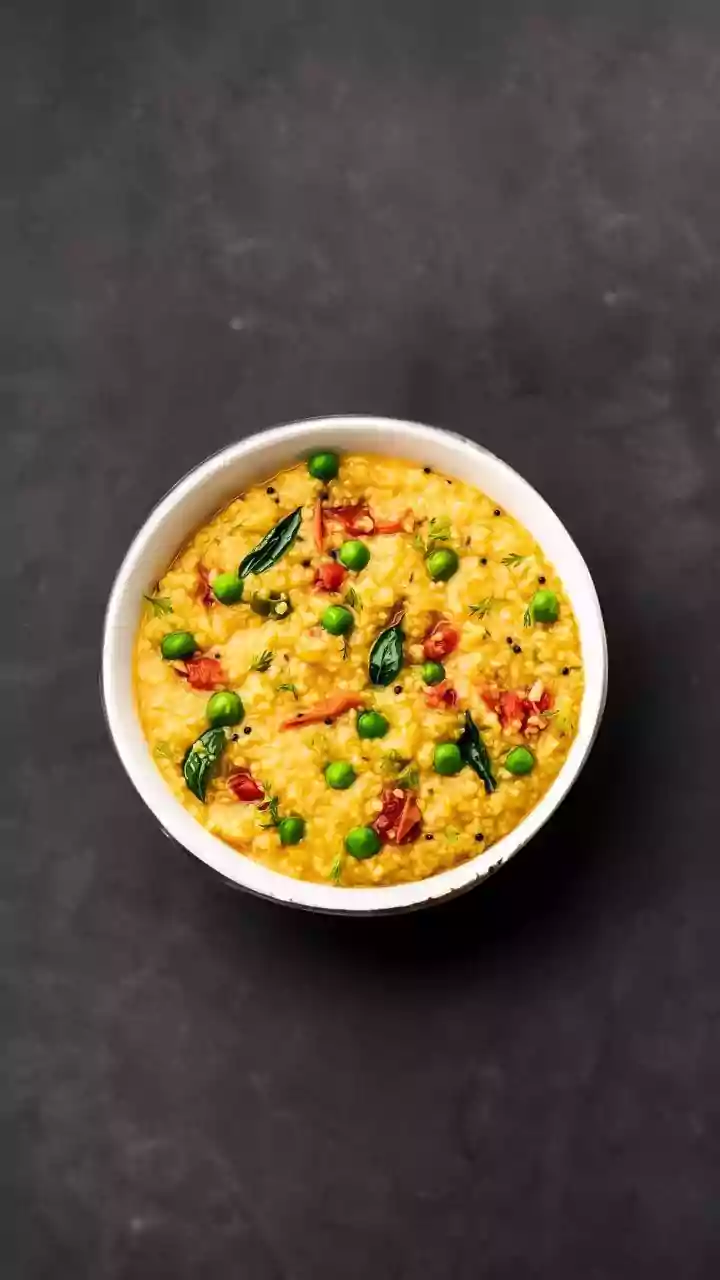
Khichdi is the ultimate one-pot wonder, celebrated in Indian households for its simplicity and healing properties. At its core, it's a combination of rice and lentils (usually moong dal), which together offer a complete protein profile. A bowl of well-prepared khichdi can deliver between 6 to 14 grams of protein, depending on the ratio of dal to rice. It’s exceptionally easy to digest, making it gentle on the stomach while still being nutritious. For an extra protein boost, you can prepare it with multiple dals, like a mix of moong and masoor, and pair it with a side of curd or a simple besan kadhi, which can add another 7 grams of protein per serving.
The Daily Staple: Dal and Roti
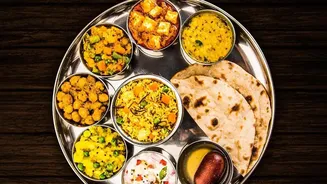
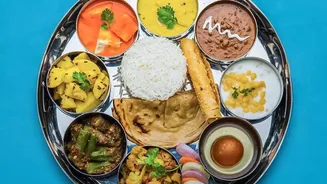
The humble plate of dal and roti is a cornerstone of Indian cuisine and an excellent example of protein pairing. A serving of thick dal, made from lentils like toor, chana, or moong, provides a significant amount of protein. When paired with whole wheat rotis, the meal becomes nutritionally complete. A typical lunch of one generous bowl of dal with two rotis can offer approximately 15 to 27 grams of high-quality protein, along with complex carbohydrates for sustained energy and fibre for digestive health. Adding a side of curd can further increase the protein content and overall nutritional value.
The Modern Twist : Chickpea and Quinoa Salad
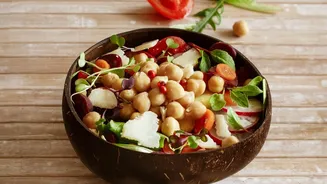
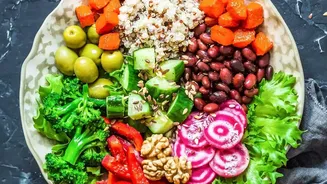
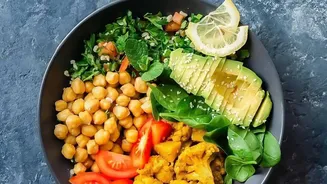
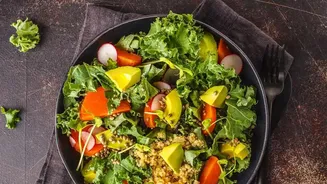
For a lighter , more contemporary lunch , a chickpea and quinoa salad is a fantastic option . Quinoa is one of the few plant foods that is a complete protein on its own , containing all nine essential amino acids . When you combine it with chickpeas (chana) , another protein - rich pulse , you get a meal that is packed with plant - based power . A hearty chickpea and quinoa salad can be tossed with fresh vegetables , herbs , and a simple lemon dressing for a refreshing and nutrient - dense lunch . This combination is not only high in protein but also loaded with fibre , vitamins , and minerals , making it perfect for a healthy midday meal that won ' t leave you feeling sluggish .