



The Hunt for Venus's Fiery Breath
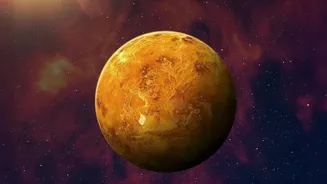
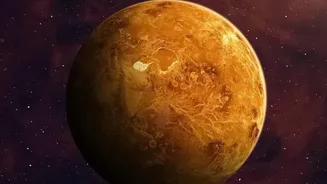
For decades, scientists have debated whether Venus is geologically active like Earth. While its surface is covered in volcanic rock, confirming present-day eruptions has been a monumental challenge. The planet's thick, choking atmosphere makes direct
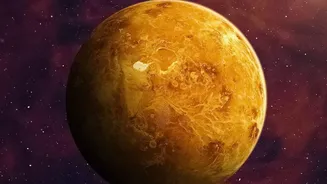
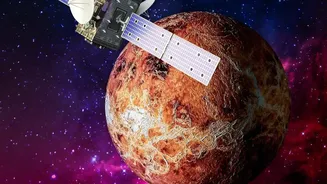
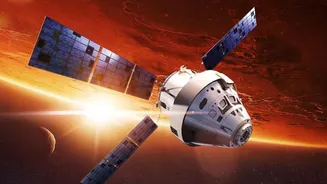
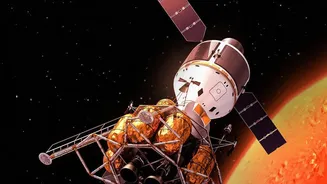
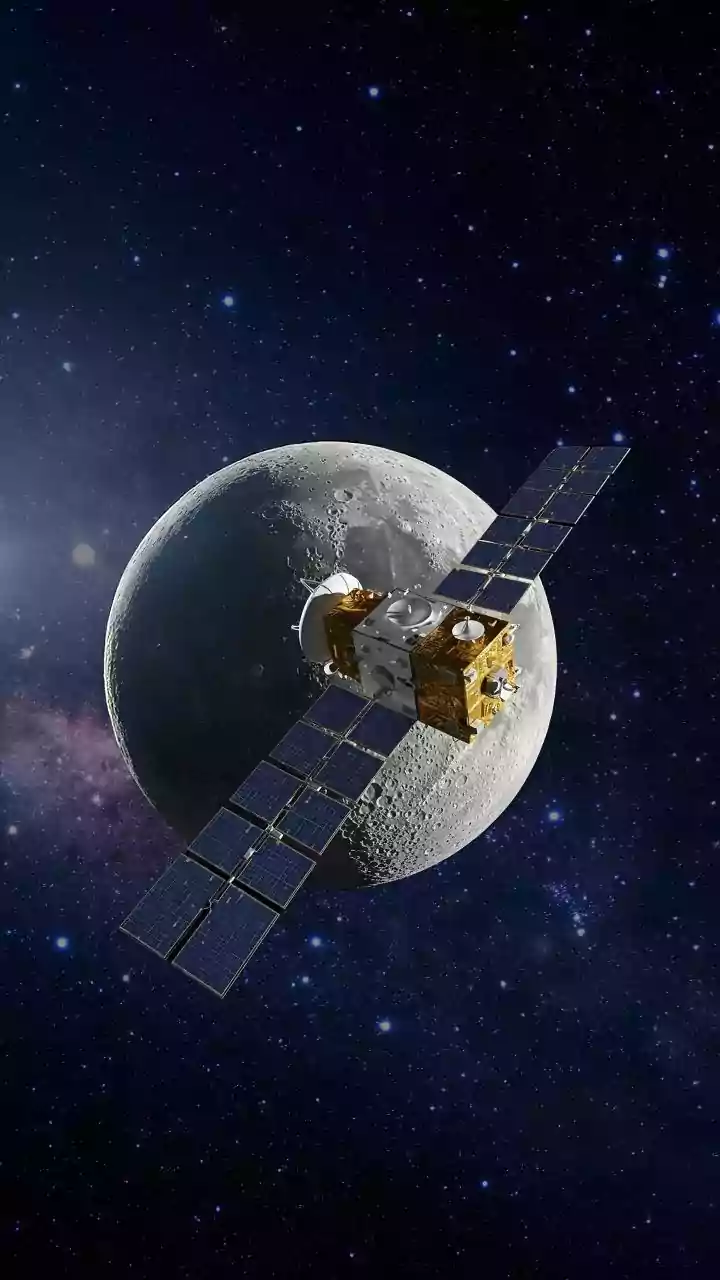
observation of the surface nearly impossible. This is where the Indian Space Research Organisation (ISRO) comes in. With its planned Venus Orbiter Mission, known as Shukrayaan, ISRO is taking a different approach: instead of trying to see through the clouds, they will study the clouds themselves for chemical clues. The big prize is finding definitive proof of active volcanism, a discovery that would reshape our understanding of how planets evolve.
Sulphur Dioxide: The Smoking Gun
The key to this interplanetary detective work is a pungent gas called sulphur dioxide (SO2). On Earth, the vast majority of SO2 in the atmosphere is pumped out by volcanic eruptions. Scientists believe the same is true for Venus. The catch is that sunlight quickly breaks down SO2 molecules in the upper atmosphere. Therefore, if a spacecraft detects a high concentration of sulphur dioxide, it must have been recently supplied from below. A sudden spike in SO2 would act as a 'smoking gun,' suggesting a volcano has recently erupted, blasting a plume of gas high into the toxic Venusian skies. Previous missions have observed dramatic fluctuations in SO2 levels, strengthening the case for active volcanism, but the evidence remains debated.
ISRO's Shukrayaan: India's Mission to Venus
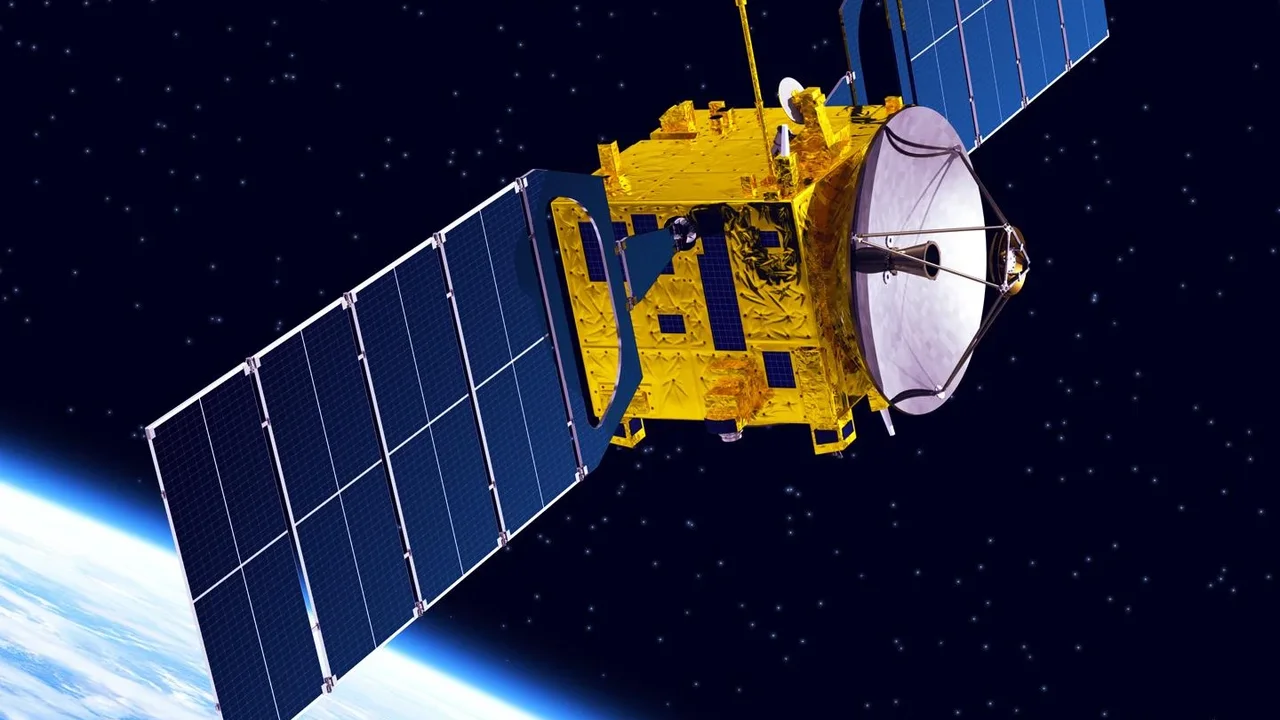
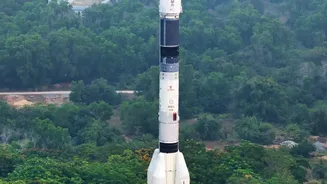
Formally approved by the Indian government in September 2024, the Shukrayaan mission is slated for a 2028 launch. It will carry a suite of scientific instruments designed to conduct a comprehensive study of Venus, from its surface to its upper atmosphere. For the hunt for active volcanoes, key instruments will perform spectroscopic analysis, studying how the atmosphere absorbs different wavelengths of light to identify its chemical makeup. The mission will include collaborations with international partners, including a French-Russian instrument called VIRAL (Venus Infrared Atmospheric Gases Linker) and a Swedish instrument to study how solar particles interact with the atmosphere. The orbiter will be placed in a highly elliptical orbit, allowing it to gather data over four years, mapping the surface and monitoring the atmosphere for any changes.
Why Active Volcanoes on Venus Matter
Confirming that Venus still has active volcanoes is more than just a scientific curiosity; it’s fundamental to understanding our own place in the cosmos. Volcanoes are a key part of a planet's climate system, releasing gases that shape its atmosphere. Venus and Earth are similar in size and were likely formed from similar materials, yet they followed dramatically different evolutionary paths. While Earth became a haven for life, Venus devolved into a runaway greenhouse world with surface temperatures hot enough to melt lead. Studying active volcanism can provide crucial data on the planet's internal heat engine and geologic processes. This, in turn, helps scientists model how Venus became so inhospitable and offers insights into the delicate balance that makes a planet like Earth habitable. It helps us understand the life cycle of planets, including our own.