
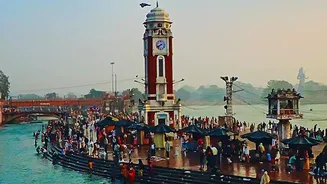
A Vision on Water
At the heart of this transformation is the National Waterways Act of 2016, which identified 111 rivers and canals across the country for development into navigable transport corridors. The goal is to create a cost-effective and environmentally friendly
alternative to congested roads and railways. As of early 2026, 32 of these waterways were operational, with ambitious government plans to expand this number to over 50 in the coming years. This initiative, part of the larger Sagarmala and Maritime Amrit Kaal Vision programmes, aims to significantly increase the share of cargo moved via water, which currently stands at a modest 2% of the nation's total. Major projects like the Jal Marg Vikas Project on National Waterway-1 (the Ganga) are already demonstrating the potential, with the development of multi-modal terminals in cities like Varanasi and Haldia.
The Crucial 'Last Mile'
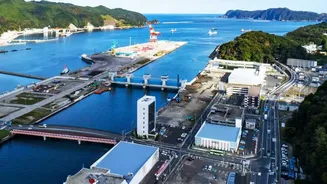
While impressive, these large terminals and dredged river channels are only effective if goods can move seamlessly to and from them. This is where 'last-mile connectivity' comes into focus. The term refers to the final step in the supply chain: connecting the river port or jetty to the factory, warehouse, or marketplace via road or rail. Without this integration, a shipment might arrive efficiently by water only to get stuck at the terminal, negating the time and cost savings. A government press release from August 2026 identified inadequate first and last-mile connectivity as one of the primary challenges hampering the growth of inland water transport. This crucial link is the difference between a functional waterway and a truly integrated, door-to-door logistics network.
The Economic Imperative
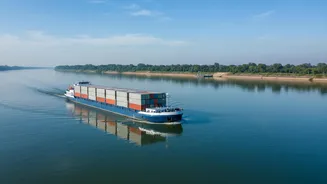
The push for better connectivity is driven by simple economics. India's logistics costs are high, estimated at around 13-14% of GDP, which makes domestic goods less competitive. Shifting bulk cargo like coal, cement, and food grains to water could drastically change this. Inland water transport is significantly cheaper per tonne-kilometre than road or rail. A single large river vessel can carry the equivalent of over 100 trucks, drastically reducing fuel consumption, carbon emissions, and traffic on strained highways. With cargo movement on national waterways already showing a steep rise, reaching a record high in early 2026, the potential economic ripple effect is enormous, from easing pressure on existing infrastructure to creating new jobs in vessel construction and terminal operations.
Forging the Final Links
Recognising the bottleneck, the government is now prioritising infrastructure that closes the connectivity gap. This includes the construction of smaller, community-level jetties that allow local businesses and farmers to access the main waterways. Furthermore, new road and rail projects under the PM Gati Shakti National Master Plan are being designed with waterway terminals in mind, ensuring a multi-modal approach from the outset. To accelerate development, the government is also actively encouraging private investment in building and operating jetties and terminals through new regulations and incentive schemes. The idea is to create a network of spokes (local connections) that feed into the main hub (the national waterway), making water transport a viable option not just for large corporations but for smaller enterprises as well.
Navigating the Challenges Ahead
The path forward is not without obstacles. Many of India's rivers are seasonal and rain-fed, posing challenges for year-round navigation that often requires extensive and continuous dredging. This dredging, in turn, raises significant environmental concerns, with studies highlighting its potential impact on fragile river ecosystems and aquatic life, such as the Gangetic dolphin. There is also the issue of competing water usage, as water for navigation must be balanced with the needs of agriculture and drinking water, a complex issue involving coordination between central and state governments. Overcoming these hurdles will require careful planning, sustainable practices, and robust environmental assessments to ensure that economic development does not come at an irreversible ecological cost.