





Invest in an Anti-Theft Backpack
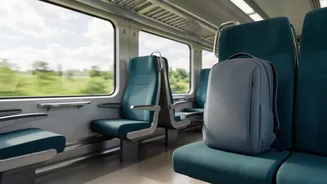
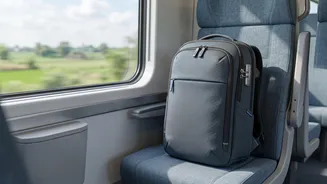
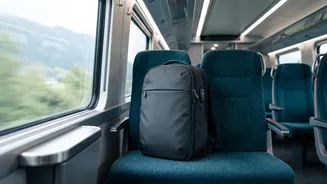
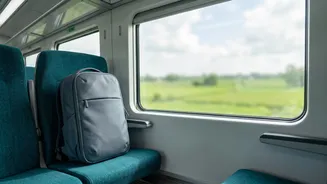
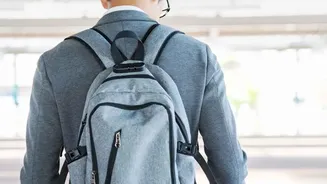
Your first line of defence is the bag itself. Modern anti-theft backpacks are designed with security as a priority. Look for models with features like slash-resistant fabrics, which often have a hidden steel mesh layer to prevent thieves from cutting
through the material. Other key features include hidden zippers, which are often placed against your back, making them impossible for anyone to access while you're wearing the pack. Many also include lockable zipper pulls, allowing you to secure compartments with a small padlock. While features like RFID-blocking pockets, designed to protect your credit cards and passport from digital skimming, are common, experts note that physical security features are often more critical for train travel.
Master the Lock and Cable Method
This is a classic and highly effective security measure, especially on Indian trains. Most long-distance train coaches have metal loops or bars under the lower berths specifically for this purpose. All you need is a sturdy chain or a flexible steel bicycle cable and a reliable padlock. Simply thread the cable through your backpack's handle—or preferably through a more secure part of the frame—and lock it to the fixed hook under your seat. This single action prevents the most common type of theft: a simple grab-and-run. If you have multiple bags, you can chain them all together, making them too heavy and awkward for a thief to carry away quickly.
Be Smart About Your Position
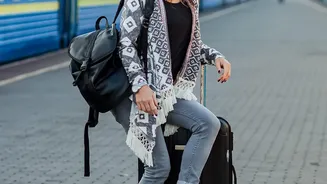
Situational awareness is a powerful tool. When traveling on a crowded train, avoid wearing your backpack on your back where you can't see it. Instead, wear it on your front. If you're seated, you can place your bag between your feet and loop a strap around your leg. For overnight journeys, your small backpack containing valuables like your phone, wallet, and documents should never be left unattended. Use it as a pillow or keep it tucked near your head while you sleep. If you have the option, choosing an upper berth can also provide an extra layer of security, as it is harder for someone to access your belongings without disturbing you.
Pack Strategically and Use Decoys
How you pack can be as important as how you lock your bag. Never place valuables in easily accessible outer pockets; they are a primary target for pickpockets. Instead, bury expensive items like electronics, spare cash, or important documents deep inside the main compartment, surrounded by clothes. This makes them much harder for an opportunistic thief to find and grab in a hurry. For an added layer of psychological security, some seasoned travelers use a 'decoy' wallet. Keep a small amount of cash in an old wallet placed in an outer pocket. In the unlikely event of a confrontation, it gives you something to hand over without losing your real valuables.
Keep Your Valuables on Your Person
There are some things that should never be in your main backpack at all. Your most critical items—passport, primary credit cards, phone, and tickets—should always be on your person. A small crossbody bag, a secure money belt worn under your clothes, or a neck pouch are excellent options. Even when you need to leave your seat to use the restroom or buy food at a station, this small 'essentials bag' should go with you. Never ask a stranger to watch your most important belongings. By keeping them physically attached to you, you eliminate the biggest risk.
Be Mindful During Stops and Crowds
Theft on trains most often occurs when the train is stationary at a station, providing thieves with a quick escape route. Be extra vigilant during these times. It’s also wise to avoid completely empty train cars; a car with a few other passengers is generally safer. While it's great to be friendly, security experts advise against accepting food or drinks from strangers, as this can be a tactic used in drugging and robbery schemes. By staying alert in these key moments, you can significantly reduce your vulnerability.