





As a chill settles in the air, our kitchens transform. The crisp, light meals of summer give way to heartier, warmer dishes that soothe the soul. This is the magic of winter cooking in India, a time for embracing seasonal produce at its peak.
Carrots (Gajar)
Winter brings
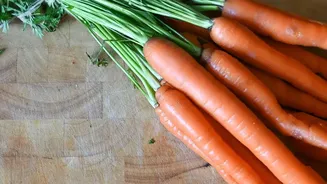
the arrival of vibrant, sweet red carrots, known as Delhi carrots, which are juicier and richer in colour than their year-round orange counterparts. This sweetness makes them the undisputed star of India’s most beloved winter dessert: Gajar ka Halwa. While elaborate versions exist, a simple preparation is just as delightful. To make it, grate fresh red carrots and slow-cook them in a pan with milk until the liquid reduces and the carrots are tender. Add sugar to your liking and a generous spoonful of ghee, cooking until the mixture thickens. A final touch of cardamom powder and a sprinkle of chopped nuts like almonds or cashews elevates this humble sweet into a celebration of winter. It's a comforting dish that perfumes the entire house with its warm, sweet aroma.
Mustard Greens (Sarson)
No North Indian winter is complete without the iconic Sarson da Saag. These leafy greens have a distinct, pungent flavour that is both earthy and slightly bitter. While traditionally a complex dish involving multiple greens, a simpler version can be just as satisfying. To begin, wash a bunch of mustard greens thoroughly and chop them. Pressure cook the greens with spinach (to balance the pungency), along with some ginger, garlic, and green chillies until they are very tender. Once cooked, coarsely blend the mixture. The final step involves preparing a tempering (tadka) of ghee, cumin seeds, and finely chopped onions. Add this to the mashed greens, stir in a spoonful of maize flour (makki ka atta) to thicken, and let it simmer. Served with a dollop of white butter, it's the taste of a Punjabi winter in a bowl.
Fenugreek Leaves (Methi)
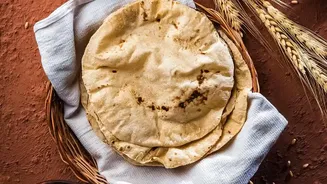
Fresh fenugreek, or methi, is a winter green prized for its unique, slightly bitter taste and incredible aroma. One of the easiest and most popular ways to use it is in Methi Thepla, a soft, spiced flatbread from Gujarat. The recipe is straightforward: finely chop fresh methi leaves and add them to whole wheat flour. Mix in spices like turmeric, red chilli powder, and a little bit of ginger-garlic paste. Yoghurt and a touch of oil are added to the flour mixture to create a soft, pliable dough. The dough is then rolled into thin circles and cooked on a hot tawa with a little oil until golden brown on both sides. These theplas are perfect for breakfast, as a travel snack, or with a simple potato curry for a light dinner.
Spinach (Palak)
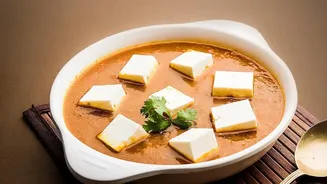
While available through the year, spinach is at its freshest and most flavourful during the cooler months. It is incredibly versatile, but its most famous pairing is with paneer in the classic Palak Paneer. For a simple take on this restaurant favourite, start by blanching fresh spinach leaves and blending them into a smooth purée. In a pan, heat some ghee or oil and sauté cumin seeds, chopped garlic, and onions until fragrant. Add the spinach purée, season with a little salt and garam masala, and let it simmer. To finish, add cubes of soft paneer and cook for a few more minutes until the cheese has absorbed the flavours of the gravy. It’s a nutritious, flavourful, and quick main course for any winter weeknight.
White Radish (Mooli)
The crisp, peppery white radish is a winter staple across North India, most famously enjoyed in the form of Mooli Paratha. This stuffed flatbread is a weekend breakfast favourite. The key to a good Mooli Paratha is in the preparation of the filling. Grate the radish and mix it with salt, allowing it to rest for about 15 minutes to release its water. Squeeze out all the excess moisture thoroughly—this is crucial to prevent the parathas from breaking while rolling. Mix the grated radish with chopped green chillies, coriander leaves, and spices like carom seeds (ajwain) and red chilli powder. Stuff this mixture into a whole wheat dough ball, roll it out carefully, and pan-fry with ghee or oil until crisp and golden brown on both sides. Serve hot with plain yoghurt or a tangy pickle.
Sweet Potato (Shakarkandi)
Sweet potatoes are a treasured winter snack in India, often roasted over coals by street vendors. At home, they can be transformed into a delicious and simple Shakarkandi ki Chaat. First, boil or roast the sweet potatoes until they are tender, then peel and cut them into cubes. While they are still warm, toss them in a bowl with classic chaat ingredients. Sprinkle chaat masala, roasted cumin powder, a pinch of red chilli powder, and rock salt (sendha namak). Squeeze a generous amount of lemon juice for a tangy kick. Finish by garnishing with finely chopped coriander leaves and a handful of bright pomegranate arils for a burst of freshness and texture. This chaat is a perfect balance of sweet, spicy, and tangy flavours, making for a healthy and satisfying evening snack.