





Not Just the Heat, It's the Humidity
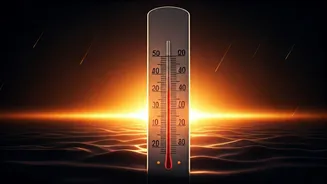
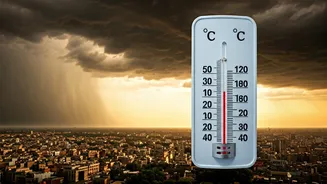
While temperatures in the capital have hovered around 40 degrees Celsius, the number on the thermometer tells only half the story. The real culprit behind the recent misery is the soaring relative humidity, which has pushed the 'feels-like' temperature to an
astonishing 50 degrees Celsius at times. [5] This heat index is a more accurate measure of discomfort because high humidity hampers the body's natural cooling mechanism: sweating. When the air is already saturated with moisture, sweat evaporates much more slowly, making it feel significantly hotter than the actual air temperature. [10] This pre-monsoon period has seen Delhi record its warmest morning in two years, with a minimum temperature of 31.1 degrees Celsius, well above normal for this time of year. [5]
The Science of the Swelter
This oppressive weather is the result of a frustrating meteorological tug-of-war. For weeks, dry and hot westerly winds have been blowing in from Pakistan, keeping temperatures high. [7, 11] Simultaneously, moist southwesterly winds from the Arabian Sea have also begun to push into the region. [7] This combination has led to a surge in humidity without the accompanying widespread rain, creating a perfect storm for uncomfortable conditions. [7] The interaction between these two air masses leads to some cloud formation late in the day, but it's often after the peak temperature has already been reached, offering little to no relief from the daytime heat. [7] This atmospheric stalemate is a key reason for the monsoon's delayed arrival. [13]
Monsoon Watch: When Will the Rains Arrive?
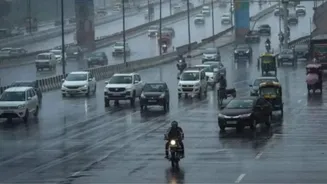
The wait is almost over. According to the India Meteorological Department (IMD) and private forecasters, conditions are becoming favorable for the southwest monsoon to advance across North India. [7, 11] While the normal onset date for Delhi is around June 27, this year has seen a delay of about a week. [7, 13] Current projections suggest the monsoon will likely arrive in Delhi around July 4th. [7] The weather system is expected to advance into parts of Uttar Pradesh and Uttarakhand in the coming days before finally reaching the capital. [5] Forecasts show a significant increase in the chance of rain from Wednesday, July 1st, with temperatures expected to drop noticeably. [3]
How to Cope Until the Downpour
Surviving the final stretch before the monsoon requires a few key strategies. The most crucial is staying hydrated. It is essential to drink plenty of water, at least 8-10 glasses a day, and supplement with hydrating drinks like coconut water or homemade ORS (a mix of water, salt, and sugar). [21, 23] It's also wise to avoid strenuous activity during peak sun hours, generally between 11 a.m. and 4 p.m. [21, 23] If you must be outside, wear light-coloured, loose-fitting cotton clothing that allows your skin to breathe. [21] At home, keeping curtains drawn during the day can block out sunlight and help keep indoor spaces cooler. [23] Opt for light, fresh meals with high water content, such as cucumber and watermelon, and avoid heavy, spicy, or fried foods that can increase body heat. [23]