

The Core Idea: Plan for Leftovers
The key is to stop thinking of leftovers as accidental surplus and start treating them as intentional 'planned-overs'. Before you even begin cooking, decide what the meal's second life will be. This isn't just about making extra food; it's about cooking with
a purpose for two distinct meals: tonight's dinner and a future lunch or dinner component. By making this part of your weekly meal plan, you ensure that the food you cook gets used, saving you time and reducing stress on busy nights. It's a proactive approach that turns a consequence into a cornerstone of your weekly menu.
Before You Cook: Determine the Portions
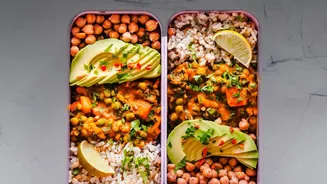
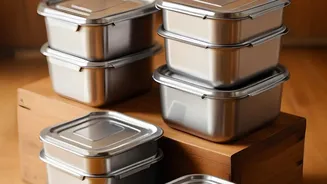
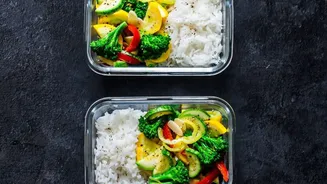
This is where the headline's advice comes to life. While your ingredients are still on the counter, ask yourself: How many people am I feeding tonight, and how many portions do I want to save? If you're cooking for four but want two lunches for the next day, you'll prepare six servings. The critical step is to physically separate these portions before serving dinner. Use your preferred containers to pack away the 'planned-overs' immediately. This action prevents the casual overeating that happens when faced with a full pot and establishes clear boundaries for tonight's meal. It’s a simple but powerful tool for built-in portion control.
Benefits Beyond a Tidy Fridge
This strategy delivers more than just an organized refrigerator. It's a direct route to saving money, as you're less likely to buy lunch or resort to takeout when a perfectly good meal is waiting. You'll also dramatically reduce food waste—a significant issue, considering uneaten food accounts for a substantial portion of household expenses and environmental strain. Furthermore, this method supports healthier eating habits. By pre-determining your portion sizes away from the dinner table, you sidestep the temptation to have 'just one more scoop,' making it easier to manage calorie intake without constant measurement.
The Art of the 'Encore' Meal
No one wants to eat the exact same meal three days in a row. The key to loving planned-overs is to think of them as versatile ingredients, not just reheated meals. That leftover roasted chicken can be shredded for chicken salad sandwiches, added to a soup, or become the protein in a quick stir-fry. Leftover roasted vegetables can be blended into a soup, tossed into a frittata, or used as a topping for a homemade pizza. By viewing leftovers as a head start on your next creation, you save on prep time while bringing something new and exciting to the table.
Putting It Into Practice
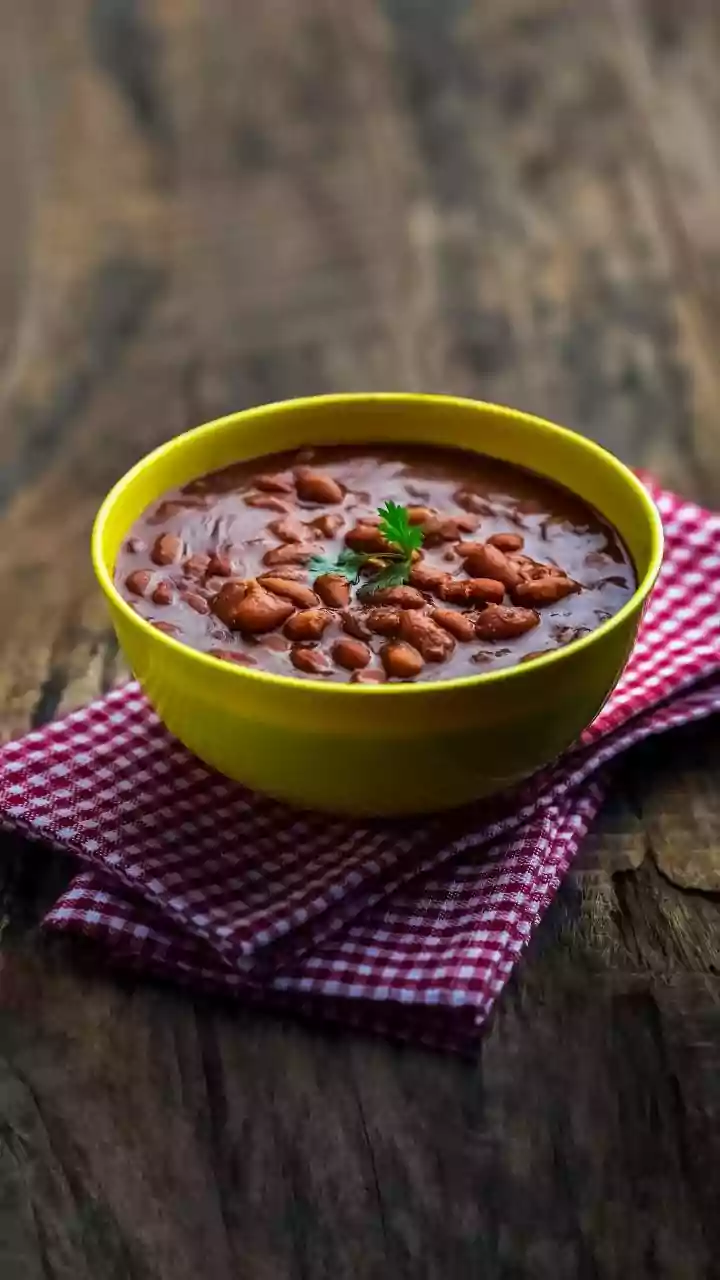
Start small. The next time you make a meal that reheats well, like chili, a casserole, or a pasta sauce, intentionally double the recipe. Before you sit down to eat, pack up half of it into single-serving containers labeled for the freezer or fridge. Notice how it feels to have lunch ready for the next day or a freezer-stashed meal for a night you're too tired to cook. This small habit of planning your leftovers before you eat not only decides your serving size for the present but also makes life easier for your future self.