




From Ritual to Restaurant
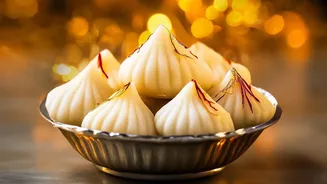
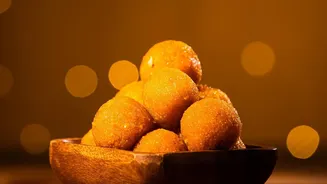
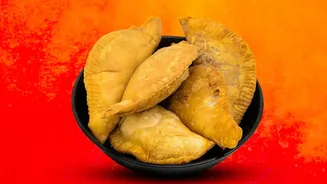
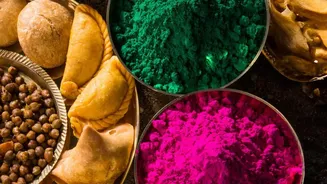
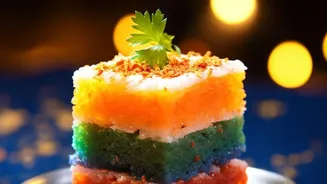
Across India, festivals have always been synonymous with food. From the gujiyas of Holi to the sweets of Diwali, specific dishes are deeply woven into the fabric of celebration. Traditionally, these culinary delights were prepared and enjoyed within the home.
Today, however, this dynamic is changing. A growing number of domestic and international travellers are seeking more authentic, immersive experiences, and they are finding them on their plates. This has given rise to a new form of travel where the festival itself is the destination, and its food is the main attraction. This trend is part of a larger boom in culinary tourism, which is projected to grow significantly in India. Travellers are no longer content to just see the sights; they want to taste the culture, and festivals provide the perfect, time-sensitive opportunity to do so.
The Onam Sadhya Blueprint
Perhaps no festival illustrates this trend better than Onam in Kerala. The highlight of this harvest festival is the Onam Sadhya, a magnificent vegetarian feast featuring dozens of dishes served on a single banana leaf. What was once a family affair has become a major culinary event attracting food lovers from all over the country and the world. Restaurants, hotels, and even specialized tour operators now offer elaborate Sadhya experiences, allowing visitors to partake in the tradition without a family invitation. This model has proven so successful that it serves as a blueprint for how other regional festivals can leverage their unique culinary heritage to attract tourists. It's a journey into flavour that connects travellers to the agricultural roots and communal spirit of the festival.
Kolkata's Grand Culinary Carnival
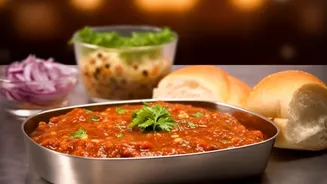
Another prime example is Durga Puja in Kolkata. For five days, the city transforms into an open-air art gallery and a massive food festival. While the intricate pandals are the main draw, the culinary scene is a close second. The streets come alive with vendors selling everything from puchkas and kathi rolls to elaborate Bengali sweets. Organized food walks have become a popular way for tourists to navigate the city’s vibrant street food landscape, sampling delicacies while pandal-hopping. Many Bengalis even rank the festival's street food as a highlight of the celebration. This fusion of art, culture, and cuisine creates an unparalleled experience that makes Kolkata a top destination for food-focused travellers in the autumn.
What's Driving the Trend?
Several factors are fueling this shift towards festival-based food tourism. The rise of social media has played a huge role, with vibrant images of festival feasts inspiring travel envy and curiosity. Platforms like Instagram and X (formerly Twitter) are filled with posts that drive engagement and promote food tours. Furthermore, there is a growing desire among modern travellers for authentic cultural experiences that go beyond typical sightseeing. They want to connect with local traditions in a meaningful way, and food is a universal language. Tourism boards and private companies have also recognized this potential, actively promoting food-centric festival packages and curated culinary trails. This professionalization of food tourism makes it easier and more accessible for people to plan their travels around these delicious events.