
When winter's cool touch graces Jaipur, the Pink City's charm deepens. While the City Palace is a treasure, a world of architectural marvels, vibrant markets, and serene spots awaits exploration beyond its famous gates.
1. Amer Fort
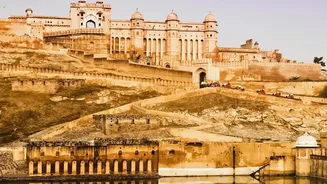
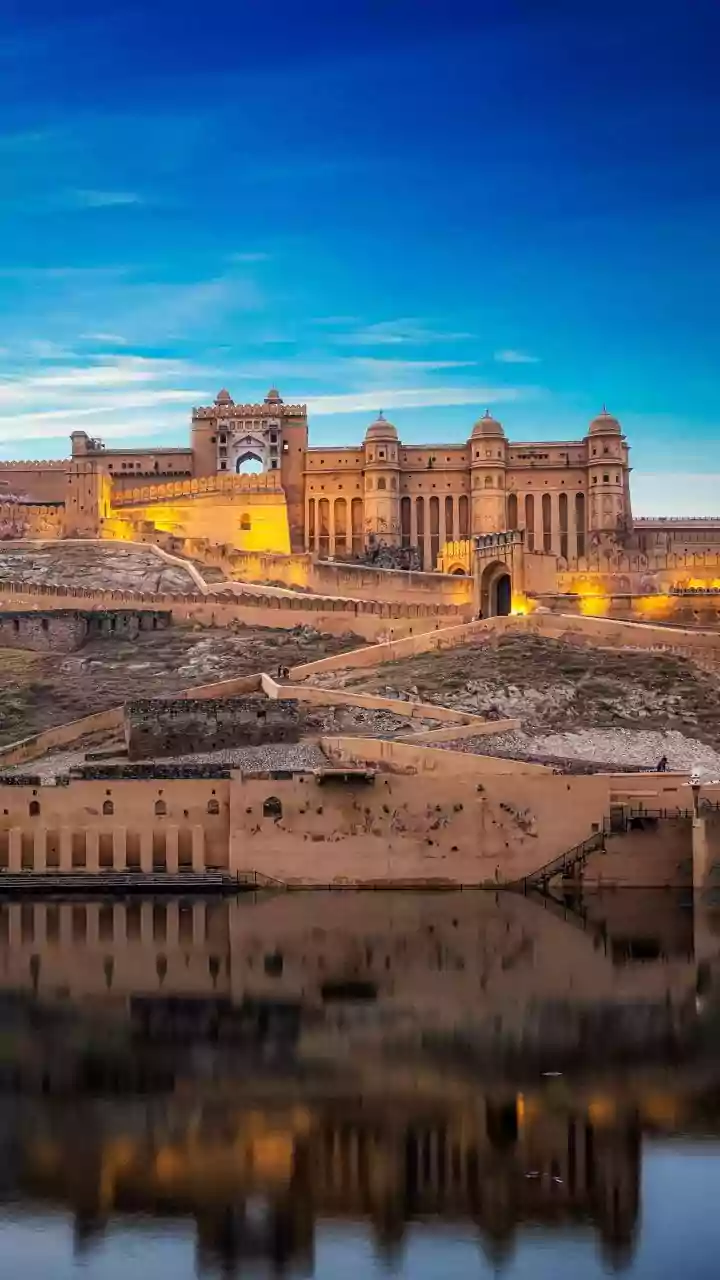
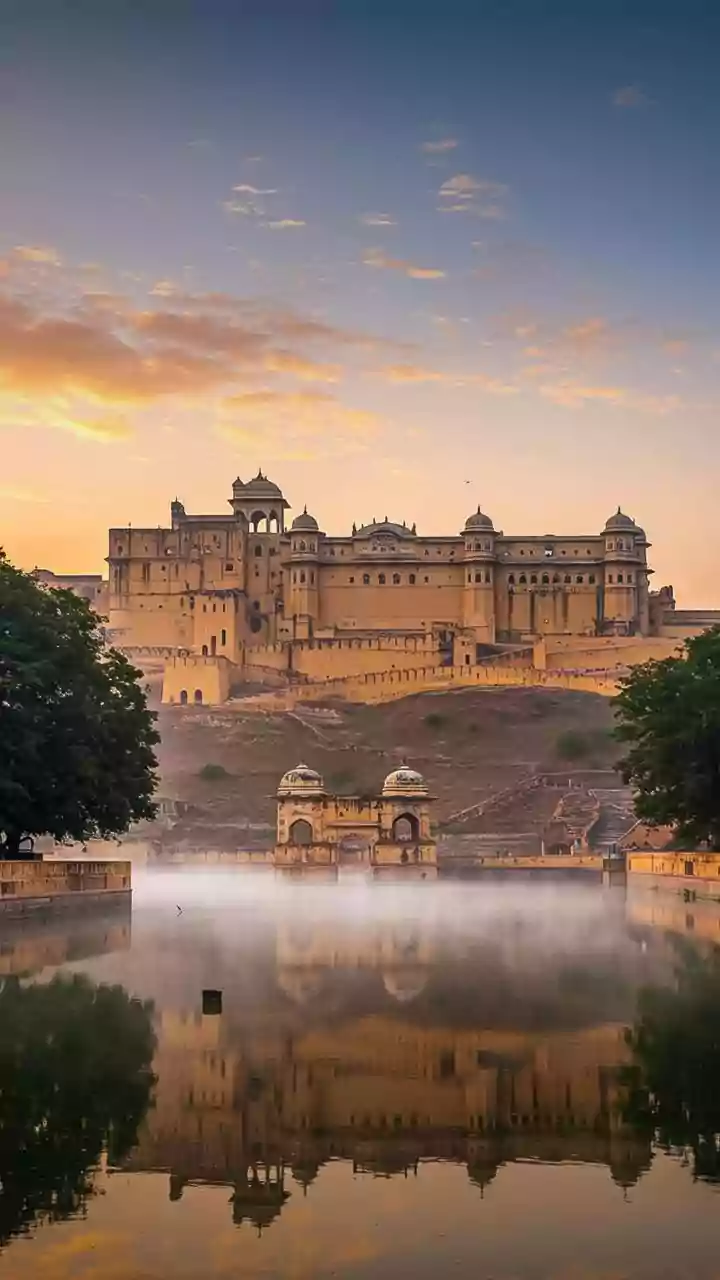
Perched atop a hill, Amer Fort is
a sprawling complex of palaces, halls, and gardens that offers a deep dive into Rajputana grandeur. The cooler weather is perfect for exploring its vast courtyards and intricate chambers, including the famous Sheesh Mahal (Mirror Palace). The pleasant temperatures make the walk through its extensive ramparts an enjoyable experience rather than a strenuous one. In the evening, the fort comes alive with a sound and light show that narrates its centuries-old history.
2. Nahargarh Fort
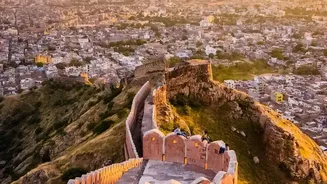
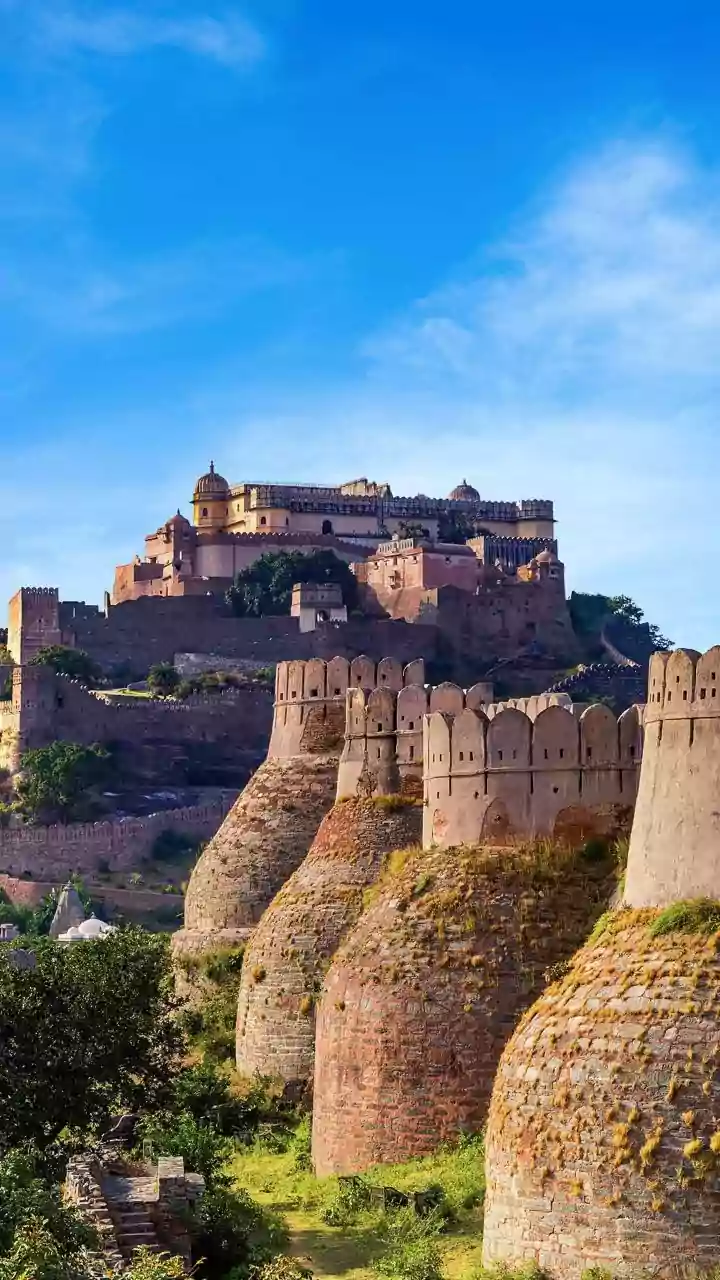
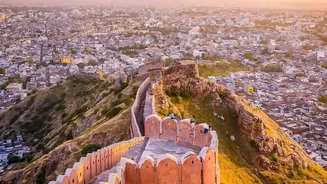
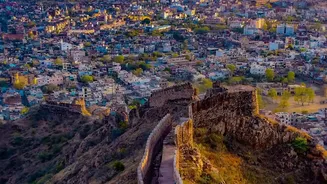
For the most stunning panoramic views of Jaipur, a trip to Nahargarh Fort is essential. Standing on the edge of the Aravalli Hills, it once formed a formidable defence for the city. The cooler season offers clear, haze-free skies, making it the best time to watch the sunset paint the city in golden hues. The fort also houses the Madhavendra Bhawan, a series of interconnected suites built for the queens, which are a marvel of Rajasthani architecture and art.
3. Hawa Mahal (Palace of Winds)
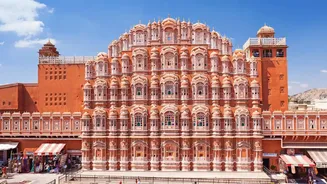
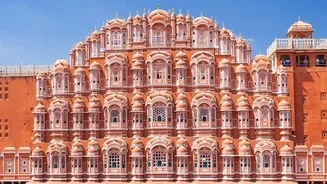
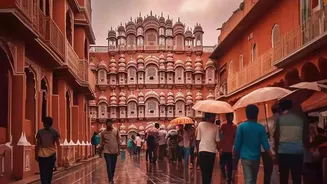
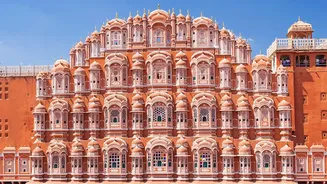
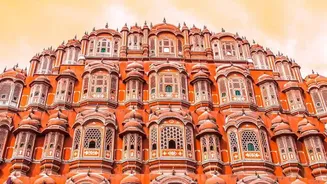
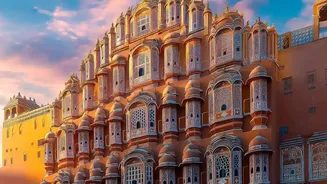
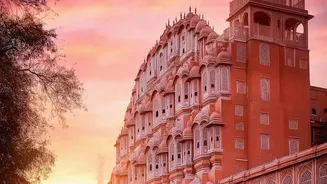
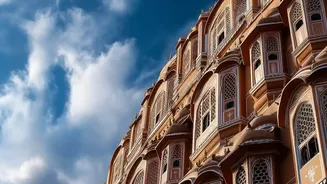
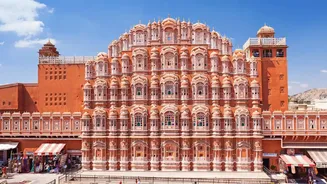
Though one of Jaipur's most iconic landmarks, Hawa Mahal is often admired only from the outside. Step inside to discover the purpose behind its unique five-storey facade, which contains 953 small windows called 'jharokhas'. These were designed to allow royal women to observe street life and processions without being seen. The pleasant winter breeze flowing through these windows makes exploring its narrow corridors a delight, truly living up to its name, 'Palace of Winds'.
4. Jantar Mantar
Adjacent to the City Palace lies Jantar Mantar, a UNESCO World Heritage site and an extraordinary collection of nineteen architectural astronomical instruments. Built by the Rajput king Sawai Jai Singh II in the early 18th century, this observatory was designed to observe celestial positions with the naked eye. The clear winter sun is ideal for seeing these massive instruments in action, especially the world's largest stone sundial, which can tell the time with an accuracy of about two seconds.
5. Panna Meena Ka Kund
A short distance from Amer Fort lies this hidden gem, a 16th-century stepwell that is a masterpiece of symmetrical architecture. Panna Meena Ka Kund features a unique criss-cross pattern of stairs leading down to the water. Originally built as a community gathering spot and a source of water, today it is a tranquil spot beloved by photographers. The cool, dry season means the steps are easily accessible, allowing you to fully appreciate the stunning geometry and ancient engineering.
6. Patrika Gate
As the grand entrance to Jawahar Circle Garden, Patrika Gate is a modern architectural wonder that has quickly become one of Jaipur's most photographed spots. Inaugurated in 2016, this vibrant gate features a series of archways, each hand-painted with intricate murals depicting scenes from across Rajasthan's diverse regions. It serves as a colourful summary of the state's art, culture, and history. It's accessible 24/7, and the soft light of a cool winter morning makes its colours pop.
7. Albert Hall Museum
Situated in Ram Niwas Garden, the Albert Hall Museum is Rajasthan's oldest museum and a stunning example of Indo-Saracenic architecture. A walk through its galleries is a journey through time, with a vast collection of artifacts including paintings, carpets, ivory, and metal sculptures. The cooler weather makes a stroll through the surrounding gardens just as pleasant as the time spent inside. At night, the museum is beautifully illuminated, offering a completely different but equally magical view.
8. Galtaji (Monkey Temple)
Nestled in a narrow crevice in the Aravalli Hills, Galtaji is an ancient Hindu pilgrimage site built around a natural spring. The complex consists of several temples and sacred water tanks ('kunds') where pilgrims come to bathe. It's famously known as the Monkey Temple due to the large tribe of rhesus macaques that reside here. The journey to the temple is more comfortable in winter, allowing for a peaceful experience amidst its serene, palace-like architecture.
9. Johari Bazaar
A trip to Jaipur is incomplete without experiencing its bustling markets, and Johari Bazaar is the city's epicentre for jewellery. Located in the old walled city, its lanes are filled with shops selling everything from precious gemstones to traditional Kundan and Meenakari work. The cooler months coincide with the festive and wedding season, making the bazaar even more vibrant. It's the perfect place to shop for textiles, lehengas, and handcrafted leather 'juttis'.
10. Jal Mahal (Water Palace)
Appearing to float in the middle of Man Sagar Lake, Jal Mahal is one of Jaipur's most serene and picturesque sights. While entry into the palace itself is restricted, the view from the shoreline is breathtaking, especially during the calm winter mornings. The cooler air brings migratory birds to the lake, adding to the tranquil beauty of the scene. It's a perfect spot for a peaceful pause and some stunning photography, capturing the palace's reflection on the still water.