






The Problem with Cash and Cards
For years, Indian travellers have relied on a mix of carrying foreign currency in cash and using their domestic credit or debit cards. However, both methods come with significant drawbacks. Carrying large amounts of cash is risky; it can be lost or stolen
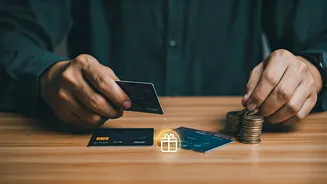
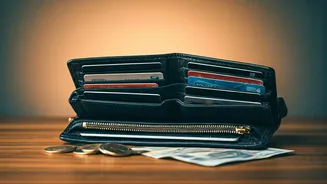
with no recourse. [11] Using your Indian debit or credit card, while convenient, often results in a barrage of hidden fees. Banks typically charge a foreign currency transaction fee, which can range from 2.5% to 3.5% on every single purchase you make. [9, 25] Furthermore, ATM withdrawal fees abroad can be steep, with charges from both your Indian bank and the local foreign bank. [28, 29] This can quickly eat into your travel budget, turning a good deal into a costly expense.
The 'Convenience' Trap of Dynamic Currency Conversion
A particularly costly trap for international travellers is Dynamic Currency Conversion (DCC). [6] This is when a merchant or ATM abroad offers to charge you in Indian Rupees (INR) instead of the local currency. It might seem convenient to see the bill in a familiar currency, but this “service” comes at a high price. The exchange rates used for DCC are often highly unfavourable and can include markups of 4% to 8%. [21] This is a fee charged by the merchant's payment processor, not your bank, and it's almost always a bad deal for the consumer. [15, 19] Pro travel tip: always, without exception, choose to be charged in the local currency of the country you are in. [6, 27]
The Forex Card Advantage
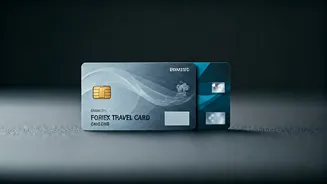
This is where the forex card, also known as a prepaid travel card, emerges as the hero for savvy jetsetters. A forex card is a prepaid card that you load with foreign currency *before* you travel. [10, 11] The biggest advantage is that you lock in the exchange rate at the time of loading the card, protecting you from currency fluctuations during your trip. [3, 7, 12] For example, if you load US Dollars onto your card, you will spend in US Dollars without any further conversion fees for as long as your balance lasts. Most forex cards come with zero or significantly lower foreign transaction markup fees compared to credit cards, which translates to direct savings on every swipe. [3, 9]
Multi-Currency and Enhanced Security
Modern forex cards are incredibly versatile. Many are multi-currency cards, allowing you to load several different currencies onto a single card—perfect for a multi-country trip across Europe or Southeast Asia. [4, 5, 8] This eliminates the need for repeated currency conversions and associated fees. [4] Security is another major benefit. Forex cards are protected by Chip and PIN technology, just like a debit or credit card. [3] Since they are not directly linked to your primary bank account, the risk is limited to the preloaded amount on the card if it is lost or stolen. [14, 29] Most providers also offer quick blocking and replacement services, providing peace of mind that cash simply cannot offer. [3, 11]
How to Get and Use a Forex Card
Getting a forex card in India is a straightforward process. Most major banks like HDFC, ICICI, and Axis Bank, as well as specialised forex platforms like BookMyForex and Wise, offer them. [17, 20] You'll typically need your PAN card, passport, and visa to apply. Once you have the card, you can load your desired currency either online or at a branch. [2] While travelling, you use it just like a regular debit card for swiping at stores and withdrawing cash from ATMs. [2] Many also come with mobile apps that allow you to track your spending and reload the card on the go, giving you complete control over your travel budget. [3, 12]