



More Than Just Dimensions
A recipe calls for a “9x13-inch pan,” and you pull one from your cupboard. But not all pans are created equal. One brand’s 9x13 might be two inches deep, while another is three. That single inch dramatically changes the pan’s volume, yet this detail is rarely
specified. While recipe developers choose pans for a reason, home cooks are often left guessing. A common mistake is assuming that a pan's diameter is the most important factor, but volume is a three-dimensional calculation. For instance, a 9-inch round cake pan has over 25% more volume than an 8-inch one, a difference that can easily lead to batter overflowing or an altered bake time. It’s a frustrating gap in communication between the test kitchen and your home kitchen.
Why Fullness Dictates Fate
The depth of batter or food in a pan is critical to how it cooks. When it comes to baking, a general rule of thumb is to fill a pan about two-thirds full to leave room for rising. For lighter, foam-based cakes like angel food or chiffon that are known to double in size, filling the pan only halfway is a safer bet. If batter is too shallow because the pan is too large, the cake can become dry and flat because it cooks too quickly. Conversely, if the batter is too deep, the outside will cook and brown long before the center is set, resulting in a burnt exterior and a raw, gooey middle. This single variable—how full the pan is—governs heat transfer, cooking time, and final texture more than almost any other factor.
It's Not Just for Cakes
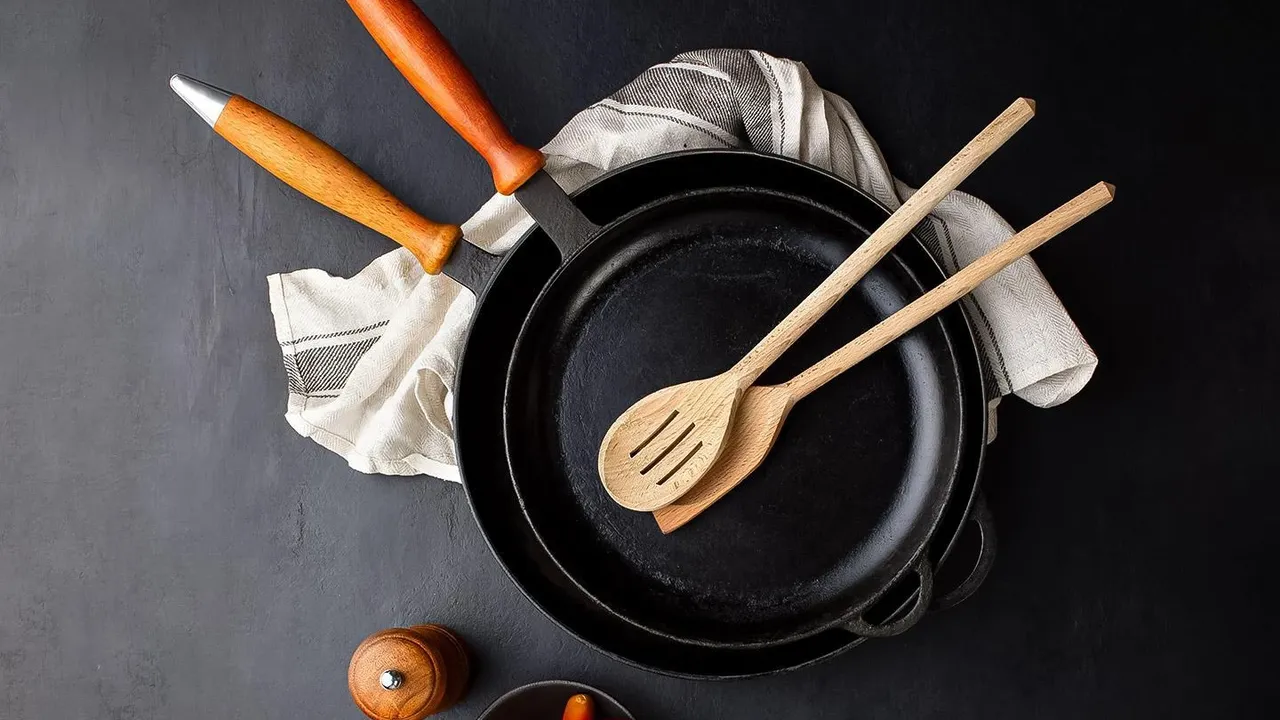
This principle extends far beyond baking. When you’re roasting vegetables or searing meat, the size of your pan is equally crucial. Using a pan that’s too small leads to overcrowding. Instead of getting a delicious, crispy brown crust, the food will trap moisture and steam itself, resulting in a soggy, unappealing texture. On the other hand, using a pan that is too large for the amount of food can also be problematic. With too much exposed surface area, sauces can reduce too quickly and burn, while delicate items can dry out before they are properly cooked. The right-sized pan ensures that heat is distributed efficiently, giving your food the space it needs to cook as intended, whether that's achieving a perfect sear or a gentle simmer.
A Call for a New Standard
So, what’s the solution? Recipe writers and test kitchens should adopt a simple, powerful new standard: in addition to listing pan dimensions, they should specify how full the pan should be. A note like “Pour batter into a 9-inch round pan, filling it approximately two-thirds of the way” would be revolutionary. It provides a crucial visual cue that is far more useful than just dimensional measurements. This simple addition empowers the home cook to succeed, even if their pan isn't identical to the one used in the test kitchen. They can assess their own pan and know if they need to scale the recipe, or perhaps reserve some batter for a few cupcakes on the side to prevent overflow. It’s a small change that would save countless hours of frustration and wasted ingredients.
Empower Your Own Kitchen
Until this practice becomes widespread, you can take matters into your own hands. Get to know your own bakeware. A simple way to do this is to measure the volume of your pans by filling them with water, one cup at a time. Write the volume on a piece of masking tape and stick it to the bottom of the pan for future reference. When trying a new recipe, use the two-thirds rule for most batters and half-full for lighter, airy ones. If a recipe seems to produce too much batter for your pan, it's always better to bake in a slightly larger pan or hold some back than to risk a messy overflow. By being mindful of not just the pan's size but its fill level, you can significantly increase your chances of culinary success.