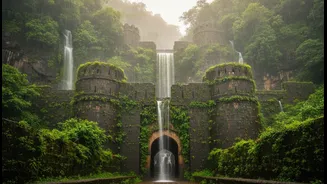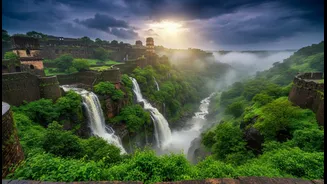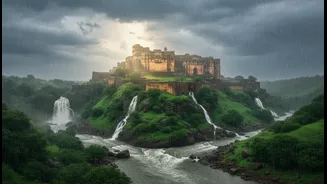





Lohagad Fort, Maharashtra
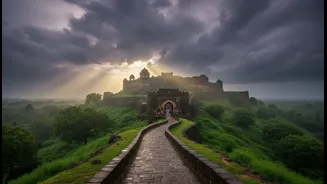
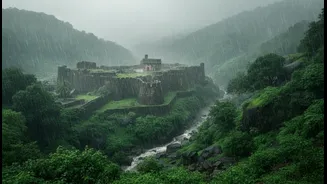
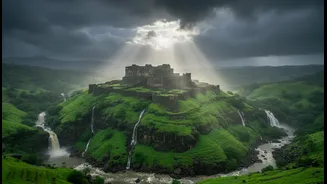
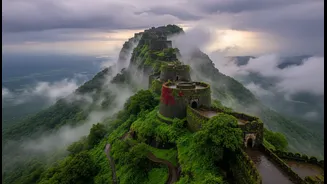
Known as the “Iron Fort,” Lohagad is a classic monsoon trek for good reason. Located near Lonavala and easily accessible from both Mumbai and Pune, this beginner-friendly trail leads to a sprawling hilltop fortress. During the rains, the Sahyadri range
transforms into a lush paradise, and Lohagad offers panoramic views of the glistening Pavana reservoir below. The fort’s famous ‘Vinchukata’ or scorpion’s tail-shaped cliff is often enveloped in dramatic clouds, making the climb a truly mystical experience. The paths can become slippery, so sturdy footwear is essential.
Rajmachi Fort, Maharashtra
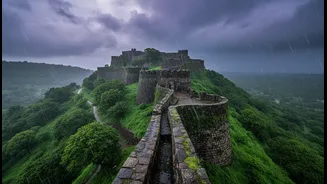
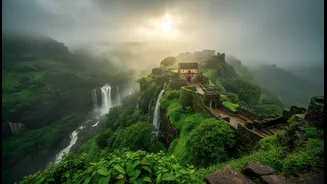
Nestled between Lonavala and Karjat, Rajmachi is beloved for its twin citadels, Shrivardhan and Manaranjan, perched atop a rugged plateau. The journey to Rajmachi is as beautiful as the destination itself, with a forest trail that comes alive during the monsoon. Trekkers are rewarded with stunning views of the surrounding valleys, often filled with low-hanging clouds. It's a slightly more challenging trek than Lohagad, making it a great next step for those seeking a bit more adventure. The fort complex served as a strategic trade route controller for centuries.
Kumbhalgarh Fort, Rajasthan
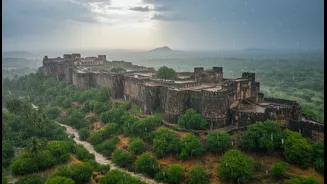
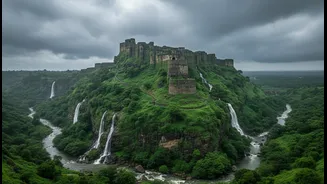
While Rajasthan is often associated with arid landscapes, the monsoon paints a completely different picture at Kumbhalgarh. This UNESCO World Heritage Site, located near Udaipur, is surrounded by the Aravalli Hills, which turn a vibrant green during the rains. The fort’s massive wall, second only to the Great Wall of China, looks spectacular against the dramatic, cloudy sky. The mist rolling across the ramparts and the cooler temperatures make for a magical and less crowded exploration of its many palaces and temples. The journey through the rain-washed hills is a scenic highlight in itself.
Mandu, Madhya Pradesh
Mandu is not just a fort but an entire fortress city, once named ‘Shadiabad’ or the City of Joy. During the monsoon, this historical town becomes especially enchanting, its ancient palaces and pavilions enveloped in mist and greenery. Mandu celebrates the legendary romance of Sultan Baz Bahadur and Rani Roopmati, and their pavilions offer breathtaking views of the surrounding landscape, which acquires a soft, romantic sheen during the rains. Filled with lakes and stunning Afghan-style architecture, Mandu provides a tranquil escape where history and nature beautifully intertwine.
Sinhagad Fort, Maharashtra
One of the most accessible forts from Pune, Sinhagad or the “Lion Fort” is steeped in Maratha history. It was the site of the legendary 1670 battle where Tanaji Malusare famously recaptured it. During the monsoon, a scenic drive or trek leads you to the summit, which offers commanding views of the surrounding landscape. The paths can be steep and slippery, demanding caution. A unique highlight of a monsoon trip to Sinhagad is the availability of hot, traditional snacks like pitla-bhakri and bhajiyas from local vendors at the top, making for a perfect reward after the climb.
Golconda Fort, Telangana
The formidable Golconda Fort on the outskirts of Hyderabad takes on a different charm in the monsoon. The rain washes the ancient granite walls, and the surrounding grounds become lush and green. While some paths can be slippery, the experience of exploring its grand gateways, palaces, and the famous acoustic system in cooler, breezy weather is unparalleled. Seeing the massive fort, originally built by the Kakatiya dynasty, emerge from a light drizzle offers a unique perspective on this historical giant, once the centre of the diamond trade.