


Fried Snacks for Makhana
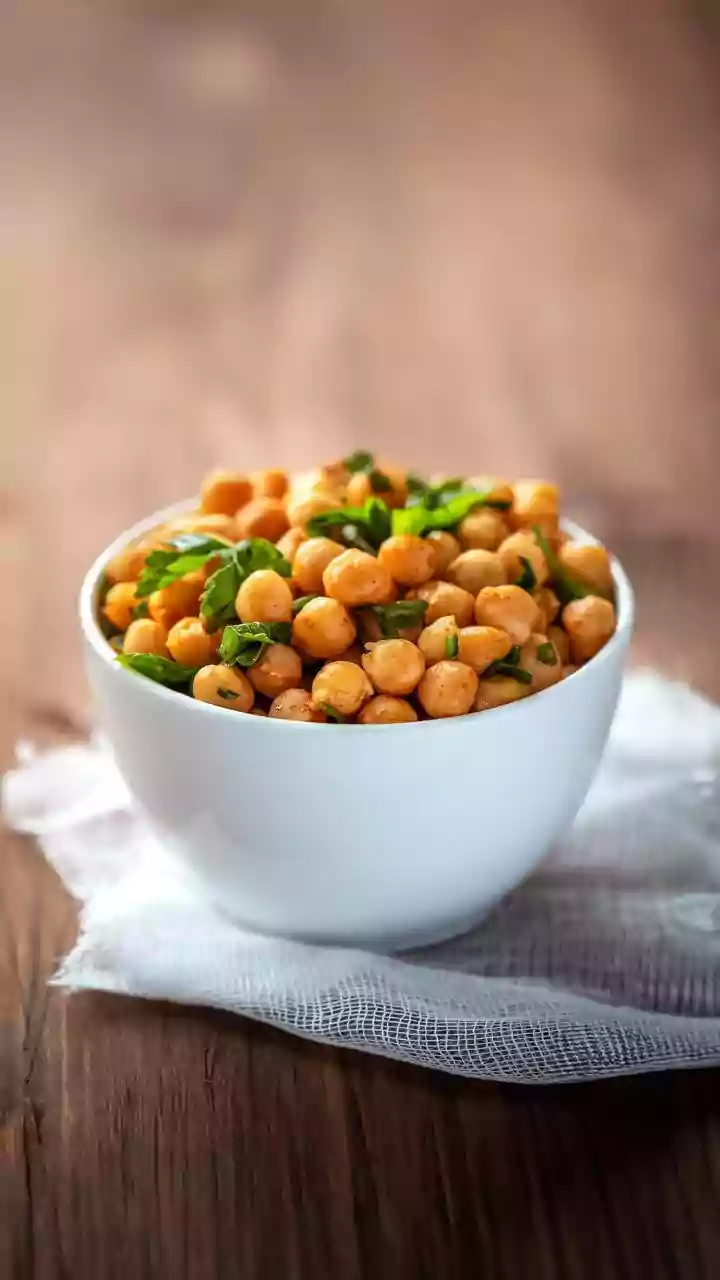
The evening tea-time ritual, once dominated by fried samosas and oily chips, now has a lighter companion: roasted makhana, or fox nuts. These puffed lotus seeds have been a traditional food for centuries but are now celebrated as a modern superfood. Low
in calories and fat, gluten-free, and packed with protein and essential minerals like magnesium and potassium, makhana offers a guilt-free crunch. Whether roasted with a pinch of salt or tossed in desi ghee and spices, they provide the satisfying texture of a snack without the unhealthy baggage of deep-frying.
Dairy Butter for Nut Butter
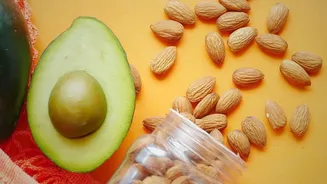
The morning toast is getting a makeover. Processed dairy butter and sugar-laden jams are increasingly making way for wholesome nut butters. Peanut butter, once a niche product, now leads a market that includes almond, cashew, and even pistachio variants. This shift is driven by a demand for protein-rich, convenient foods, especially among fitness-conscious urban consumers. Natural nut butters provide healthy fats and sustained energy, making them a smarter, more nutritious spread to start the day.
White Rice for Millets and Quinoa
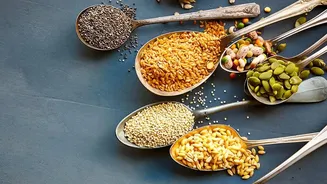
Polished white rice, a staple in countless Indian households, is now sharing shelf space with ancient grains like millets (jowar, bajra, ragi) and the global superfood quinoa. This swap is rooted in a desire for better blood sugar control and higher nutrient intake. Millets, championed for being local and sustainable, are rich in fibre and essential minerals like iron and calcium. Quinoa, while more expensive, is valued for being a complete protein. Both options offer a lower glycemic index and keep you feeling full for longer.
Refined Oils for Cold-Pressed Oils
The choice of cooking oil has become a major health decision in Indian kitchens. Many are moving away from industrially processed refined oils, which undergo high-heat and chemical treatments that can strip them of nutrients. The alternative is a return to tradition with cold-pressed oils. Extracted mechanically without high heat, oils from mustard, coconut, groundnut, and sesame retain their natural antioxidants, vitamins, and flavour. While they often have a lower smoke point, they are considered a purer, more nutritious choice for everyday cooking.
Refined Sugar for Jaggery and Stevia
The war on white sugar is on. As awareness about the empty calories and health risks of refined sugar grows, Indians are turning to healthier sweeteners. Traditional options like jaggery (gur) and palm sugar are making a comeback, valued for the trace minerals they contain. For those seeking zero-calorie options, plant-based sweeteners like stevia have become popular, especially for managing diabetes and weight. This swap allows for sweetness without the drastic blood sugar spikes.
Regular Curd for Greek Yogurt
While homemade dahi remains a beloved staple, Greek yogurt has carved out a significant niche, particularly for those looking to boost their protein intake. Greek yogurt is made by straining regular curd to remove most of the whey, resulting in a thicker, creamier product with nearly double the protein. This makes it incredibly filling and excellent for muscle repair. While traditional curd is a fantastic source of probiotics, Greek yogurt’s high protein content has made it a go-to for breakfast bowls, smoothies, and healthy dips.
Grains for Cauliflower Rice
For those on low-carb or keto diets, the idea of a meal without rice once seemed impossible. Enter cauliflower rice. This clever innovation involves grating cauliflower into rice-sized bits and lightly sautéing it. It has become a popular grain-free substitute that pairs beautifully with Indian curries and sabzis. While it doesn’t replicate the taste of rice exactly, it offers a similar texture and serves as a fantastic vehicle for gravies, all while being extremely low in calories and carbohydrates.
Maida for Whole Grain Flours
The move away from refined all-purpose flour (maida) is one of the most established health trends in India. But the swap now goes beyond just whole wheat atta. The modern pantry is exploring a diverse range of flours, including oat, jowar, bajra, ragi, and even almond flour. Each offers a unique nutritional profile, from ragi’s high calcium content to the fibre in oat flour. This trend is not just about making healthier rotis but also about reinventing traditional snacks and baked goods with more nutritious bases.
Dairy Milk for Plant-Based Milks
Driven by lactose intolerance, veganism, and general health concerns, plant-based milks are no longer a fringe product. While options like coconut milk have long been part of regional Indian cuisine, the market has exploded to include almond, soy, and oat milk. These alternatives are now readily available and are used in everything from morning coffee and chai to breakfast cereals and smoothies, catering to a growing consumer base looking for dairy-free options.
Sugary Drinks for Coconut Water and Infusions
The era of sugary, carbonated beverages and packaged juices is facing a challenge from healthier, more natural forms of hydration. Instead of reaching for a soda, many are opting for the natural electrolytes and subtle sweetness of coconut water. Another simple yet effective swap is infused water—chilled water with slices of lemon, cucumber, or mint. It provides flavour and refreshment without the liquid calories and artificial ingredients, making hydration a healthier and more mindful habit.