







The Science of Sweat and Humidity
Our bodies have a brilliant cooling system: sweating. When we exercise, our internal temperature rises, and our sweat glands release fluid onto the skin. As this sweat evaporates, it takes heat with it, effectively cooling us down. However, this system works
best in dry conditions. During the monsoon, the air is already saturated with moisture. When relative humidity is high—often climbing above 60%—the sweat on your skin has nowhere to go. Evaporation slows down dramatically, meaning your body has to work much harder and produce even more sweat to achieve the same cooling effect. This leads to a greater overall loss of body fluid.
The Indoor Gym Illusion
Many people assume that moving their workout indoors provides a complete escape from the monsoon's effects. This isn't always true. While air-conditioned spaces are better than the outdoors, gyms can become surprisingly humid. The constant influx of people, poor ventilation in some facilities, and the sheer amount of sweat being produced in a confined space can contribute to high indoor humidity. If a gym's air conditioning system isn't adequately sized or maintained to handle the increased moisture load, the indoor environment can start to mimic the sticky, damp conditions outside. This means you could be facing the same risks of poor sweat evaporation without even realizing it.
What Happens to Electrolytes?
Sweat isn't just water; it contains crucial minerals known as electrolytes, including sodium, potassium, and magnesium. These minerals are vital for nerve function, muscle contractions, and maintaining fluid balance. When you sweat excessively in a humid environment, you're not just losing water faster, you're also flushing out these essential electrolytes at an accelerated rate. In hot, humid conditions, you can lose significant amounts of sodium and other minerals through sweat. This depletion is what leads to an electrolyte imbalance, which can have a noticeable impact on your performance and well-being.
Recognizing the Warning Signs
An electrolyte imbalance can manifest in several ways, and it's important to recognize the symptoms before they become severe. Early signs are often mistaken for simple workout fatigue. These can include unusual tiredness, muscle weakness, painful muscle cramps or spasms, and headaches. As the imbalance worsens, you might experience more serious symptoms like dizziness, confusion, nausea, or an irregular heartbeat. Paying attention to these signals from your body is crucial, as pushing through them can lead to more significant health issues like heat exhaustion.
Smarter Hydration Strategies
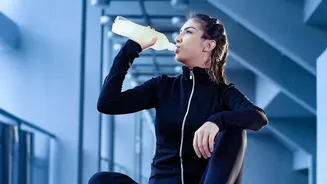
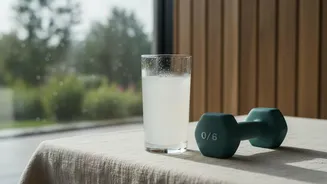
The key to combating this issue is not just to drink more water, but to hydrate smarter. Simply chugging plain water can sometimes dilute the electrolytes you have left, worsening the problem. For workouts lasting over an hour in high humidity, it's beneficial to use a sports drink or an electrolyte-infused water supplement. These drinks are specifically designed to replenish the sodium, potassium, and other minerals you lose through sweat. Start hydrating before you even get to the gym, sip fluids consistently every 15-20 minutes during your workout, and continue to rehydrate afterward to restore what you've lost.
Adjusting Your Monsoon Workout
Beyond hydration, a few simple adjustments can make your monsoon gym sessions safer and more effective. Wear lightweight, breathable clothing that helps wick moisture away from your skin. Consider slightly reducing the intensity or duration of your workouts on exceptionally humid days to give your body a break. Pay close attention to your cool-down, allowing your heart rate to return to normal gradually. And remember that consistency is key; adapting your routine to the conditions is far better than skipping your workouts altogether during the monsoon months.