






What Is the One-Surface Rule?
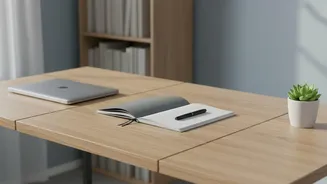
The One-Surface Rule is a straightforward but transformative organizational strategy. It dictates that in any given room, you designate one key horizontal surface—like your work desk or kitchen island—and commit to keeping it clear of everything except
items essential for the immediate task. This surface becomes a no-clutter zone. It's not about achieving sterile minimalism, but about creating a single, dependable area that is always ready for you to work, think, or create without the friction of clearing a space first.
The Psychology Behind a Clear Surface
Our brains are wired to notice and process everything in our visual field. When a space is cluttered, every object competes for your attention, even if you're not consciously aware of it. This visual noise creates a higher cognitive load, draining mental resources that could otherwise be used for focus and problem-solving. Research shows that a disorganized environment can increase levels of cortisol, the stress hormone, making it harder to relax and think clearly. By clearing just one surface, you give your brain a place to rest. This small island of order reduces visual distraction, which helps lower anxiety and improve your ability to concentrate and process information effectively.
How to Put the Rule into Practice
Implementing the One-Surface Rule doesn't require a weekend-long cleaning marathon. Start small with these simple steps. 1. Choose Your Surface: Identify the most critical surface that attracts clutter but needs to be functional. This could be your office desk, the kitchen counter where you prep meals, or your entryway table. 2. The Initial Clear-Off: Remove everything from your chosen surface. Wipe it down and take a moment to appreciate the clean slate. This is the state you're aiming to maintain. 3. Give Everything a Home: The main reason surfaces become cluttered is that items don't have a designated place to live. Go through the items you just removed and decide where they belong. This might mean creating a new spot for mail, a hook for keys, or a drawer for chargers. Things that don't have a home become clutter. 4. Perform a Daily Reset: The key to maintenance is a quick, consistent ritual. At the end of the workday or before going to bed, spend two to five minutes returning your surface to its clear state. Put away tools, file papers, and return objects to their homes. This daily habit prevents small messes from turning into overwhelming piles.
Making the Habit Stick
The biggest challenge is breaking the old habit of dropping things on the nearest flat surface. At first, you will have to be very intentional. When you walk in the door with mail, pause and take it directly to its designated spot instead of the kitchen counter. If you finish a project, immediately put your supplies away rather than leaving them out. Over time, this intentionality becomes second nature. The feeling of calm and control you get from seeing your clear surface becomes its own reward, motivating you to maintain it. It sets the tone for the entire room, often inspiring you to tackle other areas. If you find things constantly landing on your one surface, it's a sign that their designated 'home' isn't convenient enough, so you may need to adjust your system.