


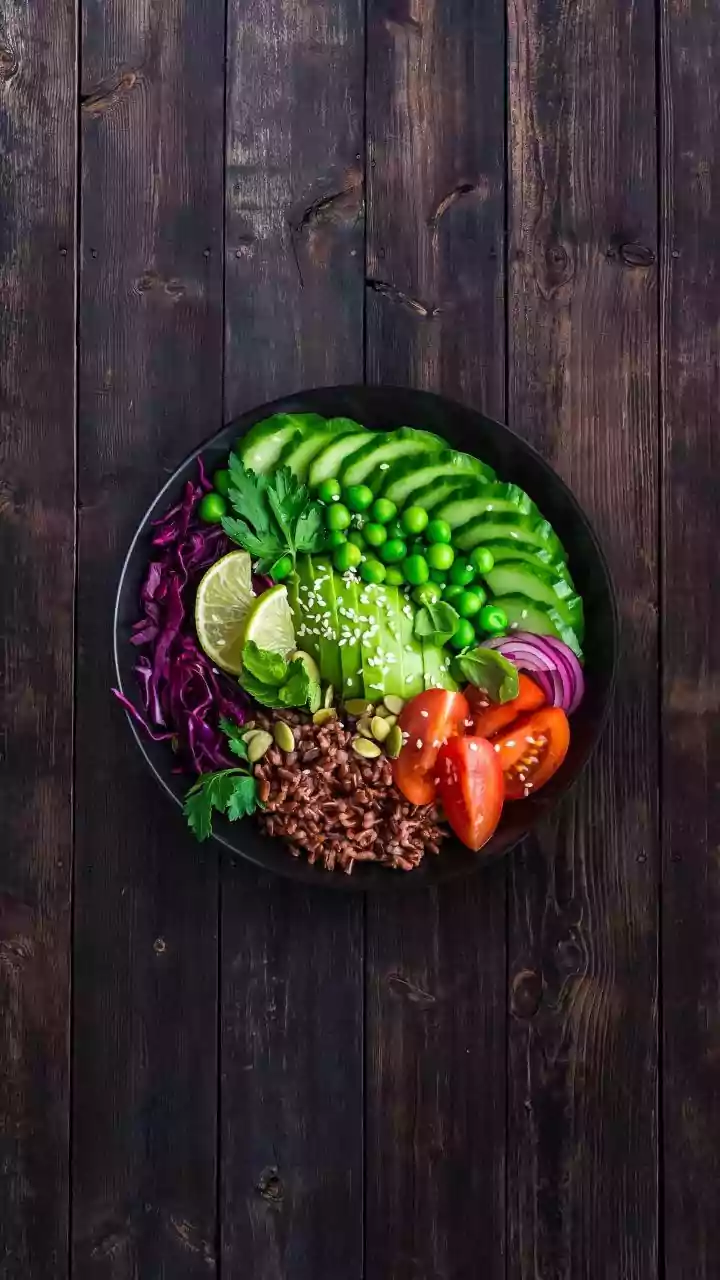



Peak Flavour and Freshness
Produce that is in season is picked at its peak ripeness, which means it is bursting with flavour. Fruits and vegetables that are allowed to ripen naturally on the plant develop more intense and satisfying tastes compared to those picked early and shipped
over long distances. Think of a juicy, sweet carrot pulled from the ground in October versus a bland, watery one available in the off-season. When produce doesn't have to travel far from the farm to your table, it retains its freshness, texture, and delicious taste, making your home-cooked meals significantly better without any extra effort.
Higher Nutritional Value
When fruits and vegetables are allowed to fully mature in their natural growing conditions, they pack a stronger nutritional punch. Studies show that produce harvested at its peak contains more vitamins, minerals, and antioxidants. Nutrients like Vitamin C, folate, and carotenoids can decrease when produce is stored for long periods or transported across great distances. Eating seasonally also encourages a wider variety of foods in your diet, which is excellent for your gut health and can help reduce the risk of chronic diseases. October's harvest, for example, is full of produce that can help boost your immunity as the weather begins to change.
Significant Cost Savings
One of the most immediate benefits of seasonal shopping is the positive impact on your wallet. When a particular fruit or vegetable is in season, it's abundant. This large supply naturally drives down prices. Farmers have a surplus, and the costs associated with transportation, storage, and artificial ripening are much lower for local, in-season goods. Opting for what’s plentiful this month means you can fill your cart with high-quality produce without stretching your budget. In contrast, out-of-season items are scarcer and cost more to import or grow in controlled environments.
A More Eco-Friendly Choice
Shopping seasonally is also a vote for a healthier planet. Out-of-season produce often has to travel thousands of miles by truck, ship, or plane to reach your local store, contributing to significant greenhouse gas emissions. Furthermore, growing food outside its natural season may require energy-intensive greenhouses, artificial lighting, and more water and chemicals. By choosing food that is grown locally and seasonally, you help reduce your carbon footprint, support more sustainable farming practices, and cut down on pollution.
Your October Shopping Guide
Ready to get started? As India transitions from monsoon to the cooler, early winter months, the markets are filled with a wonderful mix of produce. Keep an eye out for these seasonal stars during your next grocery run. Many of these items are perfect for preparing the body for the coming winter, offering nutrients that boost immunity and support digestion.
Vegetables to Buy in October
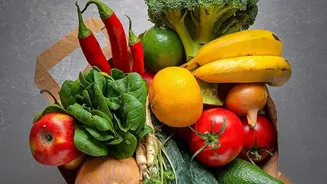
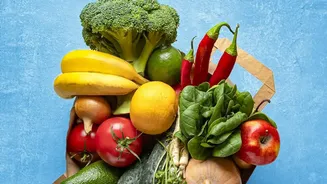
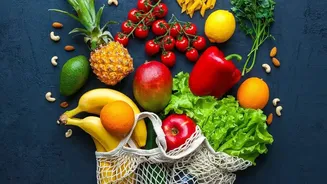
This is a great time for both late monsoon vegetables and early winter arrivals. Look for fresh carrots, which are particularly sweet and juicy this month. Cauliflower is another excellent choice, perfect for classic Indian dishes. You'll also find an abundance of spinach, peas, radish, cabbage, sweet potato, and gourds. In northern India, lettuce becomes available, while turnips are a great find in the south. These vegetables are packed with nutrients to prepare your body for seasonal changes.
Fruits to Enjoy This Month
October brings a delightful variety of fruits. It's the perfect season for pomegranates, guava, and custard apples (sitaphal). You can also find pears, crab apples, and grapes in many markets. In some regions, you'll see an early harvest of amla, a powerhouse of Vitamin C. These fruits are not only delicious but also packed with antioxidants and vitamins essential for staying healthy as the seasons shift.