



Walls and Ceilings: The Dampness Check
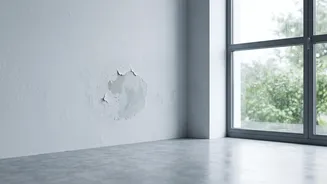
The most common post-monsoon complaint is dampness seeping into walls and ceilings. Look for discoloured patches, peeling paint, or a musty smell, which are tell-tale signs. Visible mould, often appearing as black or green spots, is a health hazard and needs
immediate attention. For minor surface mould, you can clean the area with a mixture of vinegar and water, but for widespread issues or recurring dampness, the root cause is likely a structural problem like a crack in the external wall or poor waterproofing. Document any significant dampness with photos and notify your landlord in writing, as this is typically their responsibility to fix. While waiting for repairs, move furniture a few inches away from the affected walls to improve air circulation and prevent damage.
Wardrobes and Furniture: Winning the War on Must
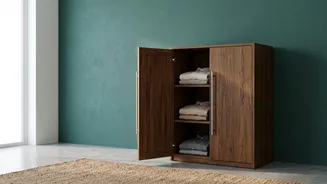
Wooden wardrobes and furniture are particularly vulnerable to high humidity. The damp, enclosed space of a closet is a perfect breeding ground for mould and mildew, which can ruin your clothes and cause a persistent musty odour. Start by emptying your wardrobes completely. If you find any mould, clean the interior surfaces thoroughly. To keep them dry, consider using moisture absorbers like silica gel packs or even leaving a low-wattage bulb on inside for short periods to generate gentle warmth. Airing out your clothes is also crucial; don't store anything that feels even slightly damp. On sunny days, open your wardrobe doors to allow sunlight and fresh air to circulate, which acts as a natural disinfectant.
Air Conditioners: A Much-Needed Service
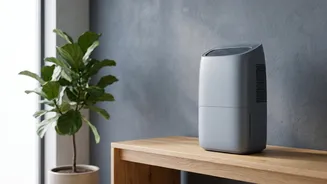
After months of high humidity and potential disuse, your AC unit needs a post-monsoon service. The filters can become clogged with dust and allergens, and the moist environment is ideal for mould to grow within the unit. A dirty AC not only circulates poor-quality air but also runs inefficiently. Cleaning the filters is a simple DIY task that can make a big difference. Also, check the outdoor unit for any debris like leaves or twigs that may have accumulated during storms, as this can obstruct airflow. The drainage pipe can also get clogged, leading to water leakage inside your room. It is highly recommended to get a professional to service the unit to check refrigerant levels and ensure all components are clean and functioning safely.
Electricals: A Critical Safety Inspection
Water and electricity are a deadly combination, making post-monsoon electrical checks non-negotiable. High humidity and water seepage can cause corrosion in wiring and create serious hazards. Never touch switches or appliances with wet hands. Perform a visual inspection of all switchboards and outlets, especially those on walls that showed signs of dampness. Look for any burn marks, discoloration, or loose-fitting outlets. Report any flickering lights, frequently tripping circuit breakers, or any scent of something burning to your landlord and an electrician immediately. These could be signs of hidden damage within the walls. Do not attempt to fix these issues yourself; always call a qualified professional.
Windows, Balconies and Drains: Clear the Passage
Monsoon winds and rain can leave behind a mess in your balconies and windows. Balcony drains are often clogged with leaves and debris, which can lead to water pooling and seeping into the house. Ensure these are cleared out. Check window sills and frames for any signs of water leakage or damage to the seals. This is also a good time to deep clean window tracks and mosquito meshes, which accumulate a surprising amount of grime during the rains. Proper drainage and sealed entry points are your first line of defense against water damage and pests.
Pest Control: Evicting Unwanted Guests
The post-monsoon period often sees a spike in pest activity as insects and rodents seek shelter and new breeding grounds. Damp corners, cracks in walls, and leftover moisture create an inviting environment for cockroaches, ants, and termites. A thorough deep cleaning of the entire house, especially the kitchen and bathrooms, is essential. Seal any visible cracks or gaps in walls and floors to block entry points. If you notice a significant increase in pests, it is best to opt for professional pest control services to handle the infestation effectively and prevent a recurrence. Discuss with your landlord about whose responsibility this is as per your rental agreement.