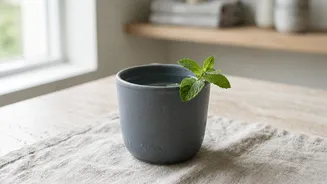







As temperatures drop, reaching for a cold glass of water feels less appealing. Yet, winter dehydration is a real and often overlooked risk. The secret to staying properly hydrated might just be turning up the heat on your beverages.
The Sneaky Dehydration of Winter
When we think of dehydration,
we usually picture hot summer days, not brisk winter afternoons. However, the risk of dehydration is just as significant, if not more so, during the colder months. Several factors work against our fluid balance. Firstly, our thirst response is blunted by the cold, sometimes by as much as 40 percent. Your blood vessels constrict to conserve core heat, which tricks the brain into thinking you are adequately hydrated. Secondly, the air itself contributes to fluid loss. Cold outdoor air is naturally dry, and indoor heating systems reduce humidity even further, causing moisture to evaporate from your skin and respiratory system without you even noticing. Every time you see your breath in the cold air, you are witnessing respiratory water loss in action.
Why Warm Drinks Are a Game-Changer
While any fluid is better than none, warm beverages offer unique advantages in winter. The most straightforward benefit is that they are simply more appealing when it's cold outside. You are more likely to sip consistently throughout the day if the drink is a comforting, warm mug rather than an icy glass of water. This increased intake is the primary way warm drinks help maintain hydration. Additionally, consuming warm liquids can help maintain your core body temperature, meaning your system expends less energy trying to stay warm. The warmth can also be soothing, with steam from a hot drink helping to relieve nasal congestion, a common winter complaint.
The Best Warm Beverages for Hydration
Not all warm drinks are created equal. To maximize hydration, it's best to focus on options that are low in caffeine and sugar. Caffeinated drinks like coffee and black tea can have a mild diuretic effect, meaning they cause you to urinate more, though moderate consumption is generally not dehydrating. Excellent choices for winter hydration include: Herbal teas such as chamomile, peppermint, ginger, and rooibos are flavourful, caffeine-free, and count fully toward your fluid intake. Simple hot water with a slice of lemon and a touch of honey offers flavour, a bit of vitamin C, and soothing properties. Low-sodium broths, whether from vegetables, chicken, or bones, are also wonderfully hydrating and replenishing, providing salts that help your body retain fluid.
Building a Hydrating Winter Routine
Incorporating warm drinks into your day doesn't have to be complicated. The key is to create small, consistent habits. Start your morning with a mug of hot water with lemon to kickstart your hydration before you even have breakfast. Instead of a second cup of coffee in the afternoon, switch to a decaffeinated herbal tea. Keep an insulated thermos at your desk or in your car, making it easy to sip on something warm throughout the day. Consider ending your evening with a calming cup of chamomile tea, which not only hydrates but can also promote relaxation and better sleep. Soups and stews for lunch or dinner also contribute significantly to your fluid needs. By making these warm beverages an intentional part of your routine, you can easily meet your hydration goals.