







The Modern Cook's Secret Weapon
Imagine a rich tomato soup so smooth it coats the back of a spoon, or a mushroom soup with a deep, velvety finish. The conventional route to this texture often involves heavy cream, which can mute delicate flavours and add significant fat. Enter cashew
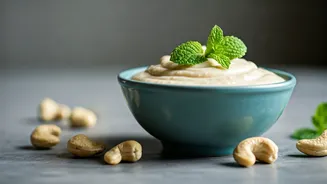
curd—or more accurately, a cashew cream or paste. This simple, plant-based alternative is a game-changer in the modern Indian kitchen. Made from soaked and blended raw cashews, it emulsifies beautifully into hot liquids, creating a stable, silky consistency that rivals, and often surpasses, dairy. Its neutral flavour profile allows the main ingredients of your soup, whether it's roasted pumpkin or vibrant spinach, to shine through without being masked.
Why Choose Cashew Curd?
The benefits of using cashew curd extend far beyond its creamy texture. For starters, it is completely dairy-free and vegan, making it an inclusive option for households with dietary restrictions or those simply looking to reduce their dairy intake. Nutritionally, while cashews are calorie-dense, they are packed with heart-healthy monounsaturated fats, copper, and magnesium. Unlike dairy cream, cashew curd is less likely to 'split' or curdle when added to acidic ingredients like tomatoes, making it a more forgiving ingredient for beginner cooks. It also imparts a subtle richness and body that feels luxurious without the post-meal heaviness sometimes associated with dairy-heavy dishes. This makes it an ideal choice for elevating everyday soups into something truly special.
How to Make Basic Cashew Curd
Creating your own cashew curd is remarkably simple and requires just two ingredients: raw cashews and water. The key is in the preparation. Start with one cup of raw, unsalted cashews. It's crucial they are raw, as roasted cashews have a stronger flavour and a different texture. Place the cashews in a bowl and cover them with hot (not boiling) water. Let them soak for at least 30 minutes. If you have more time, soaking them in cold water for 2-4 hours yields an even creamier result. Once soaked, drain the cashews and rinse them well. Transfer the softened cashews to a high-speed blender. Add about half a cup of fresh water to start. Blend on high speed, scraping down the sides as needed, until you have a completely smooth, lump-free paste. Add more water, one tablespoon at a time, until you reach your desired consistency—think thick, pourable cream. This paste can be stored in an airtight container in the refrigerator for up to five days.
Mastering the Technique in Soups
Incorporating your homemade cashew curd into soups is the easy part. The cardinal rule is to add it at the end of the cooking process. Cook your soup as you normally would, and if it's a pureed soup, blend it until smooth first. Once your soup is off the heat or on a very low simmer, stir in the cashew curd. Start with a few tablespoons and add more until you achieve the perfect level of creaminess. For a standard batch of soup serving four, a quarter to a half cup of cashew curd is usually sufficient. Because the cashews are already softened and blended, they don't require further cooking. Simply stir until the curd is fully incorporated and the soup is uniformly creamy. This method prevents the curd from over-thickening and ensures its silky texture is preserved.
Perfect Pairings and Soup Ideas
While cashew curd is versatile, it shines in certain types of soups. It is a phenomenal addition to pureed vegetable soups, where it enhances the natural texture. Try it in: - **Classic Tomato Soup:** It balances the acidity of the tomatoes and creates an incredibly luxurious feel. - **Creamy Mushroom Soup:** It deepens the earthy flavour without using dairy, letting the mushrooms be the star. - **Roasted Pumpkin or Butternut Squash Soup:** It complements the sweet, nutty flavours of the squash perfectly. - **Palak (Spinach) Soup:** It provides a creamy base that tones down any bitterness from the greens while keeping the soup light and healthy. - **Spiced Carrot and Ginger Soup:** It melds with the spices to create a rich, warming, and comforting bowl. Don't be afraid to experiment. Any soup that would traditionally call for a swirl of cream can be elevated with this simple, wholesome alternative.