



Choose Your Travel Menu Wisely
The first step to safe travel food begins in the kitchen, long before you start packing. The type of food you choose to carry is your first line of defense against spoilage. Opt for items that are naturally low in moisture, as bacteria thrive where there
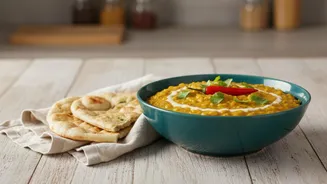
is water. Dry and semi-dry foods are your best friends on a long journey. Think of traditional Indian travel staples like theplas, parathas, and puris, which have a lower moisture content and hold up well. Dry snacks such as roasted makhana, khakhra, chivda, and nuts are excellent choices as they are non-perishable and provide sustained energy. Conversely, be wary of high-risk foods. Items containing dairy, meat, fish, or cooked eggs spoil quickly without constant refrigeration. Gravies, curries with a high water content, and salads with creamy dressings are also poor choices for travel without a reliable cooler. Instead, consider packing fruits with thick, peelable skins like bananas and oranges, which offer their own natural protection. A simple rule is: if it needs to be in a fridge at home, it needs to be kept cold on the road.
Understanding the Temperature 'Danger Zone'
The most critical concept in food safety is the 'temperature danger zone'. This is the temperature range between 5°C and 60°C, where bacteria can multiply rapidly, sometimes doubling in number in as little as 20 minutes. Leaving perishable food in this zone for too long is the primary cause of foodborne illness. Your goal is simple: keep cold food cold (below 5°C) and hot food hot (above 60°C). A useful guideline is the 'two-hour/four-hour rule'. Food can safely remain in the danger zone for up to two hours; after this, it should be consumed promptly. If it has been between two and four hours, it must be eaten immediately and cannot be saved for later. After four hours in the danger zone, the food is no longer safe and must be discarded. Remember, in the Indian heat, especially if the ambient temperature is over 32°C, this safe window shrinks to just one hour. When in doubt, it is always safest to throw it out.
The Golden Rules of Clean Handling
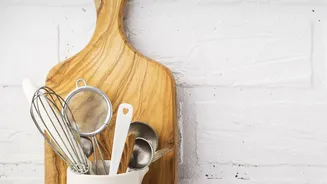
Impeccable hygiene during preparation is non-negotiable. The most effective tool you have is simple: soap and water. Wash your hands thoroughly for at least 20 seconds before, during, and after handling food. When travelling, soap and water may not always be accessible, so carry an alcohol-based hand sanitizer with at least 60% alcohol content as a reliable backup. Ensure all cooking surfaces, utensils, and containers are clean. Use separate cutting boards for raw meats and vegetables to prevent cross-contamination. When packing, make sure containers are airtight and leak-proof to stop any potential drips from contaminating other foods. A good practice is to place containers of raw or potentially leaky items at the bottom of your travel bag or cooler. Pack clean serving spoons and avoid using your hands to serve food directly, which can introduce germs.
Packing for Preservation
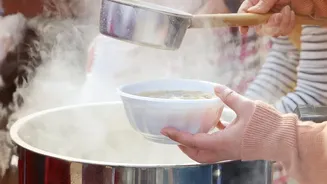
Proper packing is what makes all your careful preparation pay off. For cold items, a good quality cooler is essential. Pack it with plenty of ice or frozen gel packs to maintain a temperature below 5°C. A full cooler stays colder longer than a partially empty one, so fill any extra space with more ice or even frozen bottles of water that you can drink as they thaw. It's also wise to have one cooler for food and a separate one for drinks, as the beverage cooler will be opened more frequently. Place the cooler in the coolest part of your vehicle, such as the air-conditioned passenger compartment, not the hot boot of the car. If you're carrying hot food for consumption within a few hours, use an insulated container. You can 'prime' it by filling it with boiling water for a few minutes before emptying it and adding your piping hot food. This helps it stay above the safe 60°C threshold for longer.