


Choose Your Mint and Pot
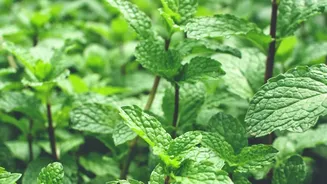
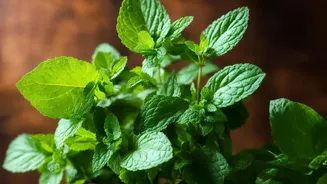
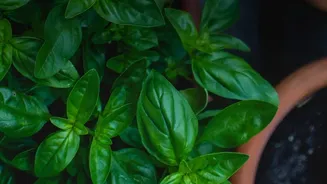
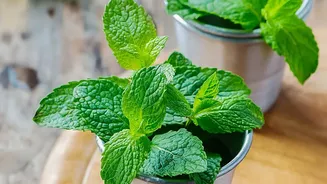
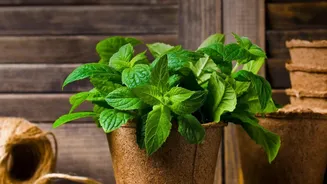
Your first step is selecting a mint variety. Spearmint is a classic choice for drinks and salads, while peppermint offers a stronger, more intense flavour perfect for teas. For something different, consider chocolate mint or pineapple mint. Once you have
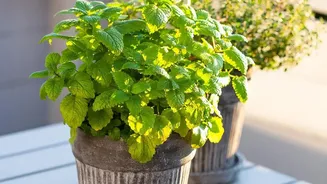
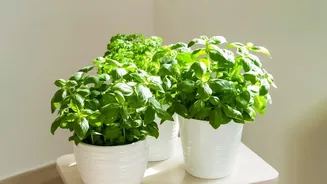
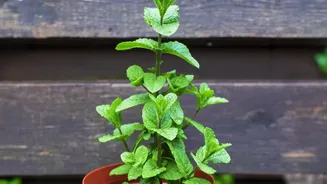
your plant, the container is crucial. Mint spreads through runners, so a wide pot is more important than a deep one. Choose a container at least 8 to 10 inches in diameter with drainage holes to prevent the soil from becoming waterlogged. While terracotta pots are classic, plastic or glazed pots retain moisture better, which thirsty mint plants appreciate.
The Right Soil and Light
Mint isn't overly fussy about soil, but a good-quality, well-draining potting mix is best. Avoid using heavy garden soil, which can compact in pots and lead to poor drainage. You can improve aeration by mixing in some perlite. Light is the next key ingredient. Mint thrives in bright, indirect light. An east-facing window with gentle morning sun is often ideal, but a west-facing one works too. Your plant needs at least 4 to 6 hours of light daily to avoid becoming 'leggy'—tall and sparse with few leaves. If your home lacks natural light, especially in winter, a simple LED grow light can make all the difference.
Watering and Feeding
Mint likes its soil to be consistently moist but not soggy. A good rule of thumb is to water when the top inch of soil feels dry to the touch. Let water run through the drainage holes, but don't let the pot sit in a saucer full of water, as this can cause root rot. During hot weather, you may need to water every couple of days. Mint isn't a heavy feeder, but a little boost can encourage lush growth. You can feed your plant with a balanced liquid fertiliser diluted to half-strength every 4 to 6 weeks during the spring and summer growing season.
Harvesting for Bushy Growth
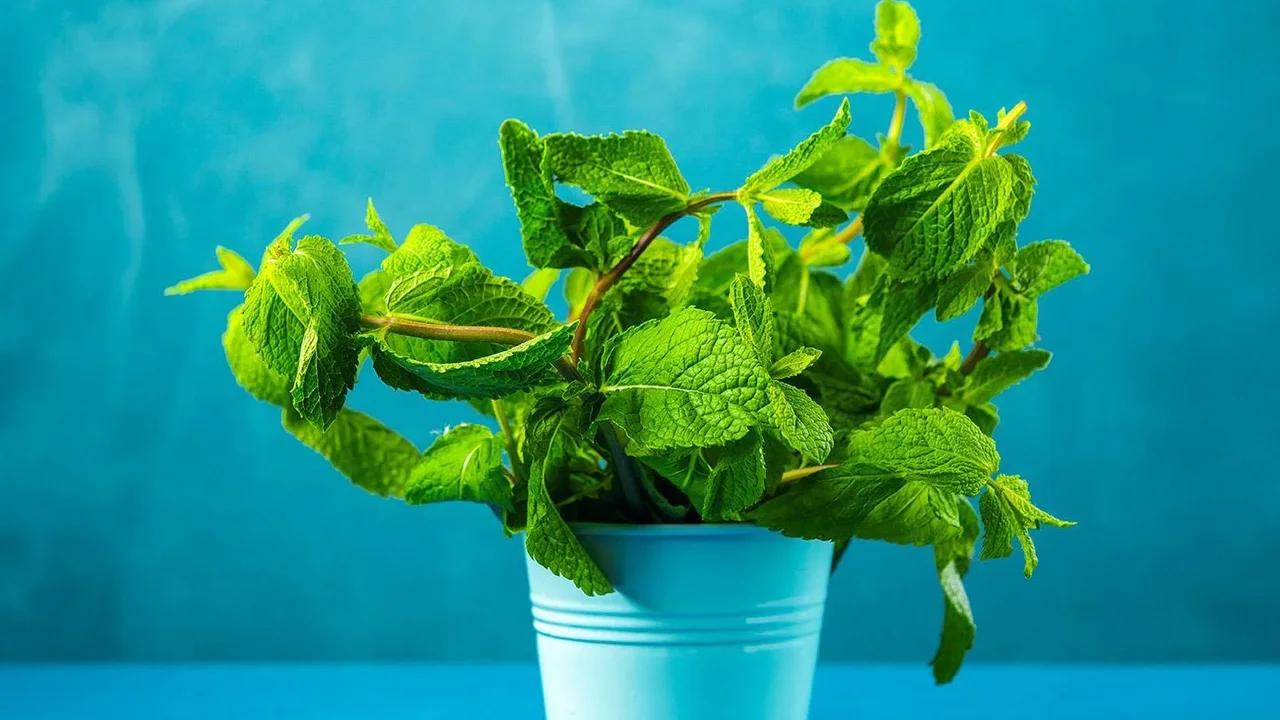
Regular harvesting is the secret to a full, bushy mint plant. Instead of plucking individual leaves, use scissors to snip off the tops of the stems, cutting just above a set of leaves. This encourages the plant to branch out from that point, creating a denser plant with more leaves to harvest later. You can start harvesting once the plant is established and has several stems. Frequent trimming also prevents the plant from flowering. While the flowers are pretty, they can cause the leaves to lose some of their flavour and signal that the plant is shifting its energy to producing seeds.
Troubleshooting Common Problems
Even a tough plant like mint can run into issues indoors. One of the most common pests is the spider mite. You might notice tiny webs or a stippled, yellowish appearance on the leaves. Often, a strong spray of water can dislodge them. Aphids are another common pest that can be managed similarly. If your plant becomes leggy and stretched, it's almost always a sign it needs more light. Yellowing leaves can be a sign of overwatering, so ensure the soil has a chance to dry out slightly between waterings. Powdery mildew and rust are fungal issues that can appear; good air circulation and avoiding wet leaves can help prevent them.