








The Direct Path to Higher Conversion
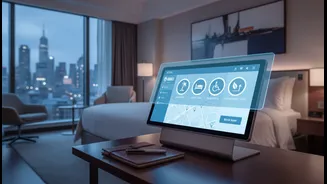
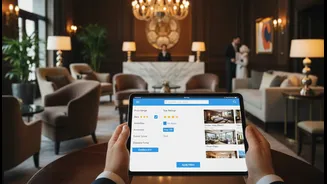
In online travel, conversion is king. It’s the measure of how many lookers become bookers. Filters are the unsung heroes of this process. When a potential guest lands on a booking site, they are faced with dozens, if not hundreds, of options. Filters for
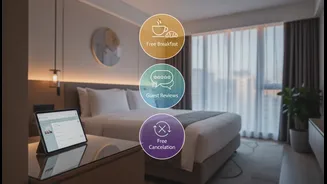
price, guest rating, and location are the first tools they use to narrow the field. A seamless filtering experience reduces friction, saves time, and guides users efficiently toward a decision. For hotels, this is critical. If your property isn't correctly categorized to appear when a user filters for “free breakfast” or “swimming pool,” you are effectively invisible for that search. Studies have shown that travellers are significantly more likely to choose hotels with higher review scores, a key filtering option. In a competitive market, even small improvements in sentiment scores, which are often filterable, can lead to a measurable increase in bookings. By ensuring your amenities and features are accurately represented in filterable data, you place your hotel directly in the path of motivated buyers, dramatically increasing the chances of a direct booking.
Building the Digital Handshake of Trust
Before a guest ever steps into your lobby, they perform a digital handshake with your brand. This interaction happens on the booking screen, and filters are a key part of establishing trust. In the post-pandemic travel era, guest priorities have shifted. Filters for “enhanced cleaning protocols” or clear displays of hygiene standards signal that a hotel takes guest well-being seriously. But trust goes beyond just cleanliness. Transparent pricing without hidden fees, prominently displayed guest reviews, and high-quality, honest photos are all part of this equation. When a guest filters by rating and sees your hotel appear with consistently positive feedback, it provides powerful social proof. More than 90% of travellers read reviews before booking, making the “guest rating” filter one of the most powerful tools available. Failing to appear in these filtered results, or appearing with poor scores, immediately creates a trust deficit. By embracing transparency in your listings and encouraging guest feedback, you give travellers the confidence they need to complete their booking.
The New Currency: Trip Flexibility
If the last few years have taught travellers anything, it's that plans can change. As a result, flexibility is no longer a perk; it's a core expectation. The “free cancellation” filter has become one of the most used features on booking platforms, giving travellers peace of mind to book with confidence. Hotels that offer lenient cancellation or modification policies and make them easily discoverable through filters have a distinct advantage. This is especially true for the Indian market, where spontaneous, short-notice trips are becoming more common, driven by digital confidence and a desire to seize travel opportunities like long weekends. Offering flexibility reduces hesitation at the point of booking, which is a critical moment in the customer journey. When a guest feels secure in the knowledge that they can change their plans without significant penalties, they are more likely to commit. This isn't just about winning a single booking; it's about building a loyal customer base. Guests remember the hotels that treated them fairly when their plans were disrupted, making flexible policies a long-term investment in brand loyalty.
Beyond the Basics: The Future of Filtering
While price, location, and cancellation are foundational, the future of booking filters lies in hyper-personalization. The modern Indian traveller is increasingly specific in their needs, and technology is evolving to meet them. We are already seeing a rise in demand for niche filters. For instance, a growing number of travellers in India are determined to travel more sustainably, with around 70% stating they intend to actively filter for accommodations with sustainability certifications. Other travellers may prioritize filters for “pet-friendly” rooms, “electric vehicle charging,” or specific accessibility features. For online platforms, the use of AI to offer personalized recommendations based on a user's past behaviour is already a reality, effectively creating a set of automated, personal filters. For hoteliers, this means that having a deep understanding of your ideal guest and ensuring all your unique attributes are correctly tagged and categorized is more important than ever. The hotel that caters to a specific niche, and makes itself discoverable to that audience, will win the booking of tomorrow.