






The Burnout Epidemic
The feeling is all too familiar: mental fatigue, dwindling motivation, and a constant sense of being overwhelmed. Chronic stress from today's high-pressure work environments is a leading cause of burnout, a state of emotional and physical exhaustion that
erodes productivity and overall well-being. The 'always-on' culture, where the boundaries between professional and personal life are increasingly blurred, depletes our psychological resources faster than we can replenish them. Many of us pin our hopes on a single long vacation, believing it will be the ultimate cure. However, experts suggest that the benefits of a long break can fade quickly once we return to our demanding routines, making us vulnerable to the same cycle of stress all over again.
The Power of a 'Rest Buffer'
This is where the concept of a 'rest buffer' comes in. Instead of one big annual reset, think of smaller, more frequent breaks that act as buffers against accumulating stress. Research shows that shorter, regular vacations are more effective at reducing stress and preventing burnout than a single long trip. These brief interludes interrupt the cycle of depletion, allowing for repeated opportunities to restore mental and physical energy. A quick weekend getaway isn't an indulgence; it's a strategic tool for maintaining high performance and job satisfaction. Just the act of planning a trip can boost happiness and a sense of mental escape, providing a much-needed mood lift even before you leave.
Why Nearby Nature is the Answer
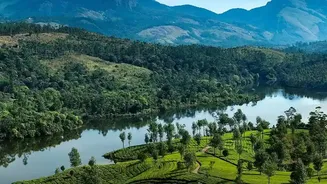
For the time-pressed professional, the logistics of a grand vacation can be an added source of stress. This is why nearby hill or river resorts are the perfect solution. Their proximity eliminates the need for extensive planning, long travel days, and a hefty budget. A two or three-day trip to a destination a few hours' drive away is manageable and can be slotted into a busy year multiple times, amplifying the benefits. These destinations, from the misty hills of Lonavala and Mussoorie to the tranquil riverbanks near Rishikesh or Coorg, offer an immediate escape from urban chaos. The change of scenery itself is a powerful tool, triggering novelty in the brain which can help break mental fatigue.
The Neurological Benefits of Nature
The restorative power of nature is backed by science. Exposure to natural environments has been proven to lower levels of cortisol, the body's primary stress hormone. The sights and sounds of nature—rustling leaves, flowing water, birdsong—have a calming effect on the nervous system, reducing blood pressure and promoting relaxation. This immersion in nature, sometimes referred to as 'forest bathing', boosts mood, improves mental clarity, and can even enhance creative problem-solving skills upon returning to work. By swapping concrete jungles for green landscapes, you are giving your brain a genuine opportunity to reset and recharge, which a city-based 'staycation' rarely provides.
A Digital Detox by Default
One of the greatest challenges of modern life is psychologically detaching from work. Many hill and river resorts, with their patchy network connectivity and emphasis on outdoor activities, create a natural environment for a digital detox. Being unable to constantly check emails or respond to notifications forces a true mental break, which is essential for deep recovery. This disconnection allows you to be more present, whether you're trekking, reading by a river, or simply enjoying the view. This mindfulness helps quiet the mental chatter that contributes to anxiety and improves sleep quality, leaving you feeling genuinely refreshed rather than just having changed locations.