




That Unforgettable Taste of Monsoon
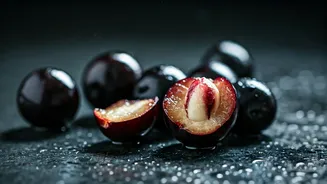
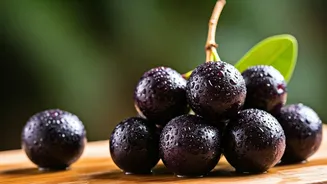
The experience of eating a jamun is a core memory for many Indians. It starts with a burst of sweetness, quickly followed by a unique astringent tang that makes your mouth pucker in the most delightful way. It’s a complex flavour that perfectly mirrors
the dramatic shift in season from the oppressive heat of summer to the cool relief of the monsoon. The best part? The tell-tale purple stain it leaves on your tongue, a badge of honour proudly displayed by children and adults alike. This fruit isn't just eaten; it's experienced. It’s the taste of walking home from school in the rain, of sharing a newspaper cone filled with salt-sprinkled fruit with friends, and of the simple, unadulterated joys of nature’s bounty.
A Purple Powerhouse of Health Benefits
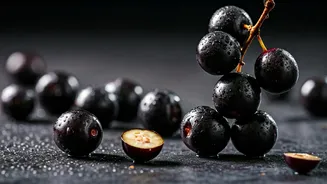
Beyond its delicious taste, jamun is a nutritional treasure trove. This humble fruit is packed with antioxidants, particularly anthocyanins, which give it its deep purple colour and help fight free radicals in the body. It’s low in calories but rich in essential nutrients like Vitamin C, iron, potassium, and magnesium. Traditionally, jamun has been revered in Ayurvedic medicine for its various health-promoting properties. Its low glycemic index makes it a favourable fruit for people managing blood sugar levels; in fact, the seeds, leaves, and bark have long been used in traditional remedies for diabetes management. The fruit is also known to be great for digestion, thanks to its fibre content, and can contribute to healthier skin and improved haemoglobin levels due to its iron and Vitamin C.
More Than Just a Roadside Snack
While eating them fresh with a pinch of black salt is a classic, the versatility of jamun is often underestimated. As its popularity grows, chefs and home cooks are finding new ways to incorporate this seasonal gem into their menus. You can de-seed and blend the pulp to make a vibrant and tangy jamun cooler or a refreshing smoothie. For a more sophisticated treat, try making a jamun sorbet or a kulfi, which beautifully preserves its unique sweet-and-sour profile. The pulp can also be used to create a tangy dressing for salads, adding a surprising and delicious twist. A simple jamun raita, made by mixing the pulp with yoghurt and spices, makes for a perfect accompaniment to a spicy meal, offering a cooling contrast.
How to Pick and Store the Best Jamuns
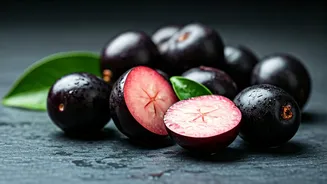
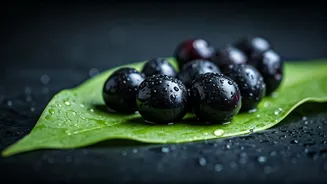
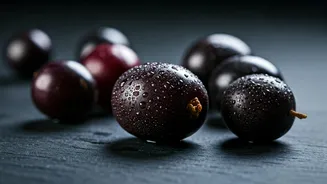
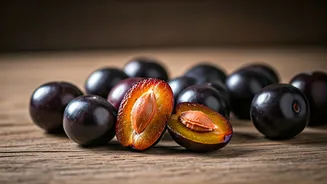
The quality of your jamun experience starts at the market. Look for fruits that are plump, firm, and have a deep, uniform purple-black colour. Avoid any that are bruised, mushy, or have signs of shrivelling. Lighter, reddish-purple jamuns are likely to be unripe and excessively tart. Once you get them home, it’s best to consume them quickly as they are highly perishable. Wash them thoroughly under cool running water just before you plan to eat them. If you need to store them, place them in a container in the refrigerator, but try to use them within a day or two for the best flavour and texture. Remember, the season is short, so freshness is key to enjoying this fruit at its peak.
A Sweet Hit of Nostalgia
For so many, jamun is inextricably linked to memories of childhood. It’s the fruit of monsoon holidays, of climbing trees (or knowing someone who would), and of carefree days. The act of eating it connects us to a simpler time and to the very rhythm of the seasons in India. It’s a shared cultural touchstone, a flavour that an entire generation recognises and cherishes. Every year, when the first batch appears in the market, it doesn’t just signal a change in weather; it triggers a wave of collective nostalgia, reminding us of the simple, seasonal pleasures that make life sweet. It’s a delicious link between our past and present.