







Understanding the Sattvik Philosophy
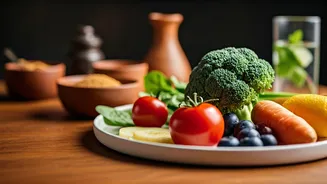
More than just a diet, Sattvik is a lifestyle rooted in Ayurvedic principles. The word 'Sattva' translates to purity, harmony, and balance. A Sattvik diet, therefore, consists of foods that are considered pure, light, and easy to digest, promoting a calm
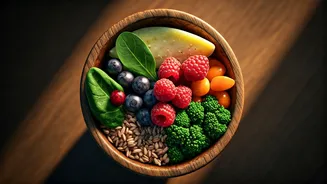
mind and a healthy body. It emphasizes fresh, seasonal, and vegetarian foods that are cooked simply, without excessive oil or spices. The focus is on nurturing the body and mind, avoiding foods that are 'Tamasic' (heavy, dulling) or 'Rajasic' (over-stimulating, agitating). Think freshly cooked vegetables, whole grains, fruits, and legumes—food that is vibrant and full of 'prana' or life force.
Why Monsoon Calls for a Sattvik Shift
According to Ayurveda, the monsoon season, or 'Varsha Ritu', is a time when our 'agni' (digestive fire) is naturally weaker. The damp, humid weather can slow down metabolism and make us more susceptible to digestive issues like bloating, indigestion, and acidity. This is also a period where the 'Vata' dosha (associated with air and ether) becomes aggravated, leading to issues like joint pain and anxiety. The Sattvik approach directly addresses these challenges. By favouring light, warm, and easily digestible foods, it supports the weakened digestive system and helps pacify the Vata dosha, keeping you feeling grounded and comfortable. It’s a way of eating in harmony with the season’s rhythm.
Monsoon Superfoods to Embrace
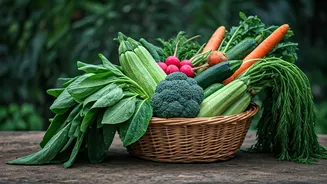
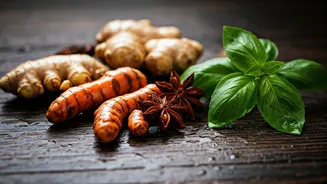
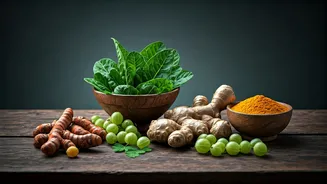
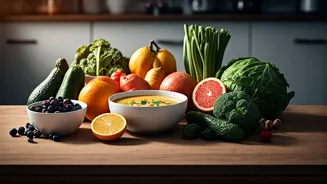
Building a Sattvik monsoon plate is about choosing ingredients that are warming, cleansing, and immunity-boosting. Start with old grains like barley, jawar, and aged rice, which are lighter on the stomach than wheat. For vegetables, opt for gourds like lauki (bottle gourd), turai (ridge gourd), and karela (bitter gourd), as they have a cleansing effect. Pulses like moong dal are prized for being exceptionally easy to digest and can be made into a simple dal or a comforting khichdi. Spices play a crucial role; ginger, turmeric, black pepper, and hing (asafoetida) not only add flavour but also aid digestion and combat the dampness of the season. A warm vegetable soup seasoned with these spices is a perfect monsoon meal.
What to Reduce or Avoid
Just as important as what you eat is what you avoid. During the monsoon, Ayurveda advises against consuming raw foods, including salads and uncooked sprouts, as they are harder to digest and can carry more germs in the humid weather. Leafy green vegetables, while generally healthy, are best avoided during this season as they can be laden with dirt and microbes from the rain. Heavy-to-digest foods like red meat, fried snacks, and rich curries should also be limited as they can overwhelm a weak digestive system. Similarly, dairy products like yoghurt and cheese can increase mucus production and dampness in the body, so it’s wise to consume them sparingly. The goal isn't restriction but mindful selection to prevent discomfort.
Crafting Your Sattvik Monsoon Meal
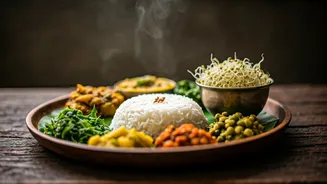
Putting it all together is simple and intuitive. A classic Sattvik monsoon plate could feature a bowl of warm moong dal khichdi, seasoned with a touch of ghee, ginger, and turmeric. Accompany this with a side of steamed or lightly sautéed pumpkin or lauki. Instead of a cold drink, sip on warm herbal teas infused with ginger, tulsi, or fennel to keep your digestive fire strong. This approach isn't about complex recipes but about honouring the ingredients and the season. It’s a return to simple, wholesome eating that nourishes you from the inside out, leaving you feeling light, clear, and full of vitality despite the gloomy weather.