




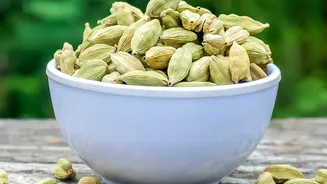
The Magic of Whole Pods
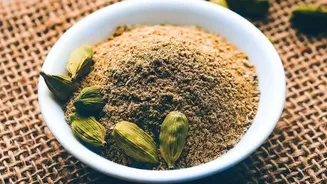
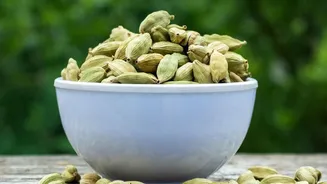
While ground cardamom has its place, using whole green cardamom pods is a game-changer for dishes like pilaf. When added to hot oil or simmering liquid, the pods slowly release their essential oils, infusing the entire dish with a layered, aromatic flavour
that is both subtle and profound. Ground spice can sometimes taste dusty or overpowering, but whole pods offer a gentle, perfumed background note. For the best results, lightly crush the pods with the flat side of a knife or the bottom of a jar before using them. This cracks the outer shell and helps release the fragrant seeds within, maximising the flavour infusion into your rice. Remember to warn your guests to set the pods aside as they eat; biting into one directly can be an intense experience!
Green vs. Black: Choosing Your Cardamom
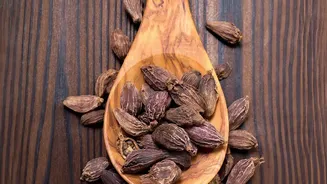
When a recipe simply calls for 'cardamom', it almost always means green cardamom. Known in Hindi as 'chhoti elaichi', green cardamom has a complex profile: it's floral, citrusy, sweet, and has a mild, eucalyptus-like coolness. This makes it incredibly versatile, working beautifully in both savoury dishes like curries and pilafs, and sweet treats from kheer to Scandinavian pastries. Black cardamom, or 'badi elaichi', is an entirely different spice. It's larger, with a dark brown, wrinkly pod and a powerful, smoky flavour with notes of camphor. It is best reserved for robust, hearty dishes like dals and meat curries. For this delicate pilaf, green cardamom is the undisputed star.
Secrets to Fluffy, Fragrant Pilaf
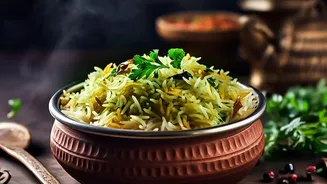
The perfect pilaf has distinct, fluffy grains, not a sticky clump. The first step is to rinse your basmati rice under cold water until it runs clear. This removes excess surface starch that causes stickiness. Soaking the rice for 20-30 minutes after rinsing also helps the grains cook more evenly and elongate beautifully. The second secret is to 'bloom' your spices. Sautéing the whole spices, like cardamom, cloves, and a cinnamon stick, in hot oil or ghee for a minute until fragrant releases their fat-soluble flavours. Toasting the drained rice in this aromatic oil for a minute or two further helps in keeping the grains separate. Finally, once you add your hot liquid and bring it to a boil, reduce the heat to the lowest setting, cover with a tight-fitting lid, and do not peek for at least 15-20 minutes. Letting the rice rest off the heat, still covered, for 10 minutes is the crucial final step that allows the steam to finish the job and ensures perfectly cooked grains.
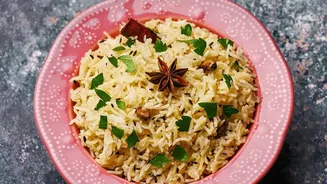
Savoury Cardamom Rice Pilaf Recipe
This recipe yields a subtly spiced, aromatic pilaf that pairs wonderfully with almost any Indian main course.Ingredients:1.5 cups basmati rice2 tbsp ghee or neutral oil1 small onion, thinly sliced4-5 whole green cardamom pods, lightly crushed2-3 whole cloves1-inch piece of cinnamon stick1 bay leaf2.5 cups hot vegetable or chicken broth (or water)1 tsp salt (or to taste)Instructions:1. Rinse the rice thoroughly until the water runs clear, then soak in fresh water for 20-30 minutes. Drain completely.2. Heat the ghee or oil in a medium pot with a tight-fitting lid over medium heat. Add the cardamom pods, cloves, cinnamon stick, and bay leaf. Sauté for about 30-60 seconds until fragrant.3. Add the sliced onion and cook until soft and translucent, about 5-7 minutes.4. Add the drained rice to the pot and stir gently for 1-2 minutes to coat the grains in the aromatic ghee.5. Pour in the hot broth and add the salt. Bring the mixture to a gentle boil.6. Immediately reduce the heat to the absolute lowest setting, cover the pot, and let it simmer for 15-18 minutes without lifting the lid.7. Remove the pot from the heat and let it stand, still covered, for 10 minutes.8. Before serving, remove the whole spices if you can find them, and gently fluff the rice with a fork. Garnish with fresh coriander if desired.