


Prioritise Drainage Above All
The single most important rule for monsoon gardening is managing excess water. When soil becomes waterlogged, roots can't get air, leading to root rot. Before the rains intensify, check that every pot has clear, unobstructed drainage holes. If you use
saucers, empty them daily. A simple but effective trick is to elevate your pots using stands, bricks, or 'pot feet'. This small gap allows water to escape freely and prevents your herbs from sitting in puddles after a heavy downpour, a practice widely recommended by agricultural advisors.
Use a Light, Well-Aerated Soil Mix
Heavy rains can compact soil, suffocating roots. Your potting mix should be light and airy to allow water to pass through easily. A good monsoon-ready mix combines regular potting soil with materials like coco peat and sand. This improves the soil structure and prevents it from turning into a dense, muddy block. Avoid using heavy garden soil alone, which retains too much moisture and is unsuitable for container gardening during the wet season.
Rethink Your Watering Schedule
Watering your plants daily is a habit to break during the monsoon. If your pots are already soaked from rainfall, adding more water is the fastest way to cause problems. Always check the soil first. Push your finger about an inch into the soil; if it feels damp, your herb doesn’t need watering. Only water when the top layer of the soil begins to feel dry. This intuitive approach prevents the overwatering that leads to many common monsoon plant diseases.
Provide Shelter and Sunlight
While rain is good, torrential downpours can damage delicate herb leaves and wash away soil. If possible, move smaller pots to a spot that receives light but is sheltered from the heaviest rain, like under an eave or a covered section of the balcony. Grouping plants together can also help minimise soil erosion. Sunlight can be scarce on cloudy days, so ensure your herbs get as much light as possible by placing them in the brightest part of your balcony.
Be Vigilant About Pests and Fungi
High humidity and constant dampness create a perfect breeding ground for fungal diseases like powdery mildew and leaf spot. The key to control is good hygiene and airflow. Regularly clear away fallen leaves or any plant debris from the soil surface. Ensure there is enough space between your pots for air to circulate freely, which helps leaves dry faster. At the first sign of yellowing leaves or dark spots, prune the affected parts to prevent the issue from spreading.
Choose Monsoon-Happy Herbs
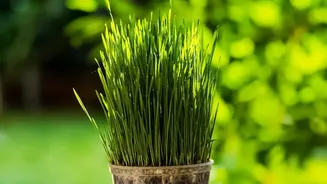
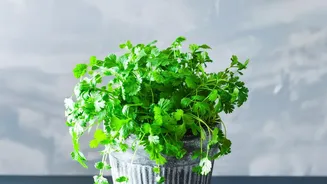
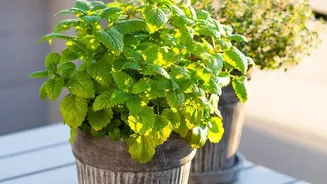
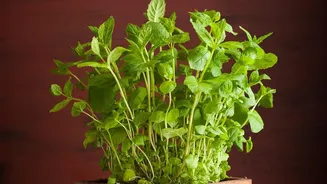
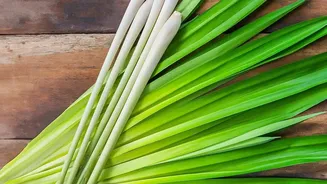
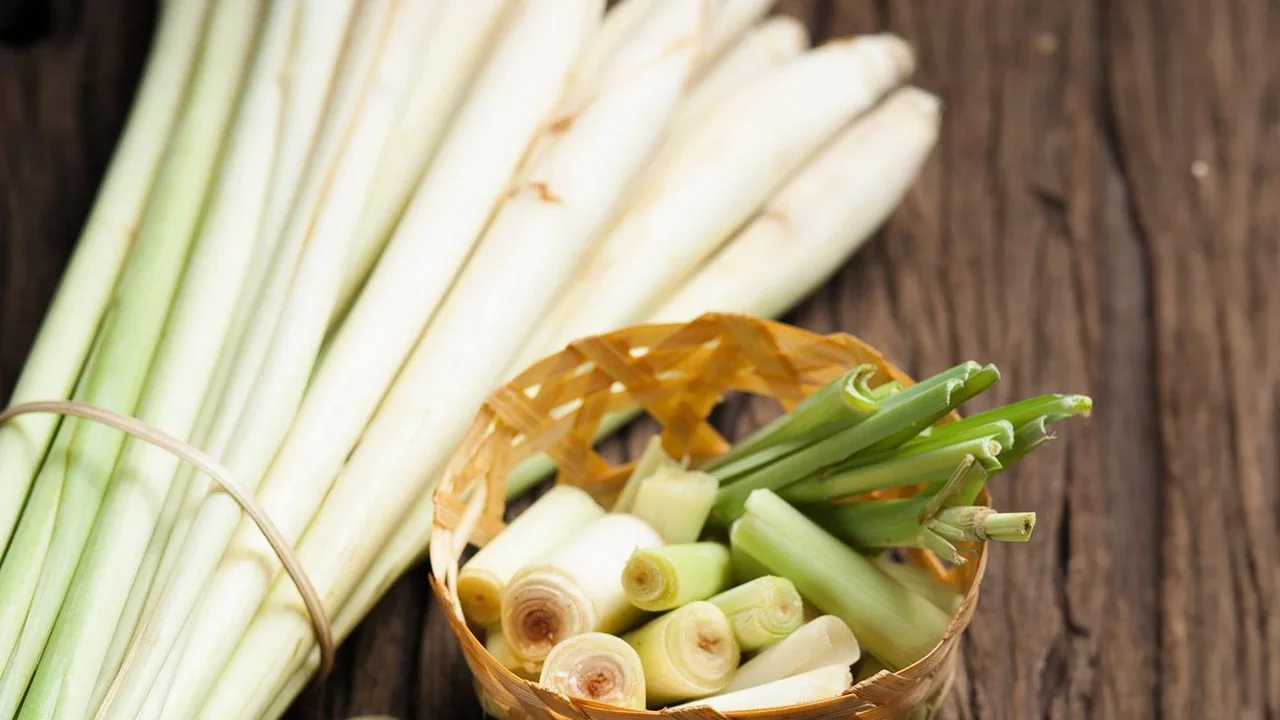
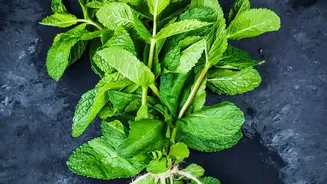
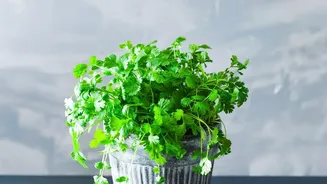
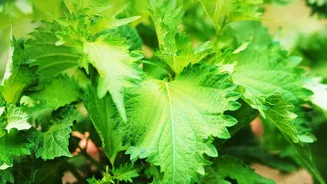
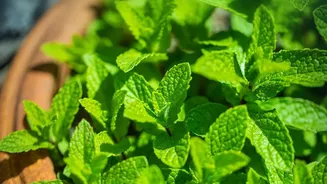
Some herbs handle the wet conditions better than others. Monsoon is an excellent time for herbs that love moisture. Mint (Pudina), Holy Basil (Tulsi), Lemongrass, and Coriander (Dhania) tend to thrive in the Indian monsoon. Mint, in particular, is very easy to grow and spreads quickly in these conditions. These herbs are not only resilient but are also staples in the Indian kitchen, giving you a fresh, flavourful supply right at your doorstep.
Don't Be Afraid to Prune
Regular pruning is crucial during the monsoon. The rainy season encourages rapid, sometimes leggy growth. Trimming your herbs encourages them to become bushier and fuller. It also improves air circulation through the plant, reducing the risk of fungal infections. Focus on removing any yellowing, damaged, or overcrowded leaves. This isn't just about maintenance; regular harvesting encourages the plant to produce more fresh, tender leaves for your kitchen.