
Seeing Possibilities, Not Problems
A low-waste kitchen starts with a shift in perspective. When you feel unsure about cooking, a wilting bunch of herbs or a slightly soft vegetable can seem like a problem destined for the bin. But with a little confidence, that same bunch of herbs becomes
the base for a vibrant pesto or can be frozen in oil for later use. A systematic review of studies confirmed a favorable link between cooking skills and a reduction in food waste. Confidence empowers you to see possibilities. That stale bread isn't trash; it's the beginning of crispy croutons, a hearty bread pudding, or crunchy breadcrumbs. This mindset turns potential waste into valuable ingredients, stretching your food budget and shrinking your bin. Professional chefs call this 'upcycling'—transforming ingredients that might be discarded into something new and delicious.
Mastering the 'Use-It-Up' Meal
One of the biggest confidence boosters is learning how to cook without a rigid recipe. The 'use-it-up' meal is a prime example. This involves surveying your fridge for leftovers and disparate ingredients and turning them into a cohesive dish. Think stir-fries, frittatas, soups, or grain bowls. These flexible formats are perfect for using up small amounts of cooked vegetables, leftover proteins, and that last bit of cheese. Having a few of these go-to ideas in your back pocket prevents food from being forgotten and spoiling. It’s a skill that professional kitchens rely on, treating their inventory with respect to save money and resources, and it works just as well at home.
Learning to Love Food Scraps
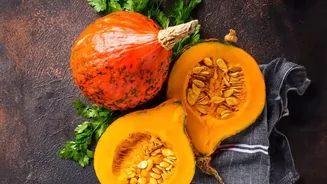
A huge amount of what we throw away is perfectly edible. Cooking confidence means learning to identify and use these so-called scraps. Broccoli stems, for instance, can be chopped and sautéed right alongside the florets or turned into a slaw. Vegetable peels from carrots and potatoes can be tossed in oil and roasted into a crispy snack. Even the leafy tops of carrots or beets can be transformed into a flavourful pesto. Keeping a bag in your freezer for onion skins, celery ends, and carrot peels is another pro move. Once the bag is full, you can simmer the contents in water to create a free, homemade vegetable broth that will be far more flavourful than anything from a carton.
Embracing Simple Preservation
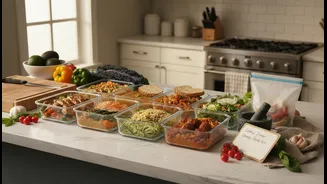
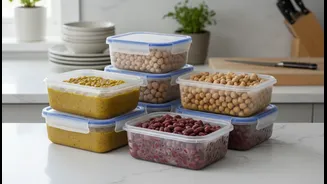
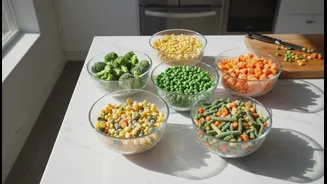
The word 'preservation' can sound intimidating, suggesting complex canning procedures. But in reality, some of the most effective methods are incredibly simple. Freezing is a low-waste superhero, allowing you to save everything from leftover portions of meals to produce that's about to turn. Quick pickling is another easy technique; a simple brine of vinegar, water, salt, and sugar can turn leftover onions, cucumbers, or even green bean ends into a tangy condiment that extends their life by weeks. Learning these basic skills allows you to take advantage of bulk sales and keeps seasonal produce from going to waste before you have a chance to eat it.