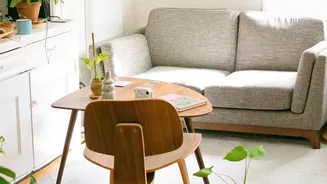







The Upfront Financial Hit
For young professionals, cash flow is king. Buying furniture requires a substantial initial investment that can range from ₹50,000 to over ₹1,50,000 to furnish a basic apartment. This is a significant sum that could otherwise be used for investments,
an emergency fund, or other financial goals. Renting, on the other hand, requires a much lower upfront cost. Typically, you only need to pay a refundable security deposit and the first month's rent. Rental platforms like Furlenco, RentoMojo, and Cityfurnish offer packages that furnish an entire home for a monthly fee, making it far more accessible to get set up quickly without draining your savings.
The Break-Even Point: Where Buying Catches Up
While renting is cheaper initially, it's a recurring expense. The critical question is: at what point does the total cost of renting equal the cost of buying? Financial analyses suggest this break-even point typically arrives between 24 and 36 months. For instance, if renting a living room set costs ₹4,000 per month, you would have spent ₹96,000 in two years. This amount could be close to the purchase price of similar furniture. If you plan to stay in one city for more than three years, buying starts to make more financial sense, as your payments stop and you own a tangible asset. For shorter stays, renting is almost always the more economical choice.
Flexibility for the Mobile Professional
Modern careers often demand mobility. Promotions, new projects, or better opportunities might require you to relocate to a different city every few years. In this scenario, owning furniture becomes a liability. The costs and hassles of hiring packers and movers, potential damage to items during transit, and the risk that your furniture may not fit or suit your new home are significant deterrents. Renting offers unmatched flexibility. When you move, you can simply end your rental subscription. Most rental companies even offer free relocation services if you move within the same city. This asset-light approach aligns perfectly with a dynamic, transient lifestyle.
The Hidden Costs and Conveniences
Ownership comes with hidden costs beyond the purchase price. Maintenance, repairs, and deep cleaning are all on you. Furthermore, when you decide to sell, you face the hassle of finding a buyer and will likely get a price far below what you paid, as furniture depreciates quickly—often by 40-60% within two years. Renting eliminates these concerns. Maintenance and damage from normal wear and tear are usually covered by the rental company. Many services also offer the option to swap or upgrade your furniture, allowing you to refresh your home's look without any financial loss. The convenience of delivery, assembly, and eventual pickup is a major advantage for time-poor professionals.
Making the Right Choice for Your Situation
Ultimately, there is no one-size-fits-all answer. The decision hinges on your personal and professional circumstances. Renting is the smarter choice if: - You expect to relocate within the next 2-3 years. - You have limited upfront capital or prefer to invest your savings elsewhere. - You value convenience, flexibility, and minimal maintenance. - You enjoy changing your home decor periodically. Buying becomes the better option if: - You are settled in a city and plan to stay for more than three years. - You are buying a home or have long-term housing stability. - You want to build an asset and have complete control over the style and quality of your furniture. - You are comfortable with the responsibilities and potential costs of ownership and resale.