



A Return to the Roots
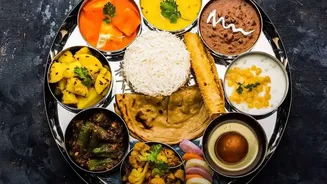
For decades, 'Indian food' often meant a standardised menu of popular North Indian dishes. But now, a growing movement within India is championing a return to regionality. Nowhere is this more apparent than in Ladakh, where the cuisine is shaped by a short
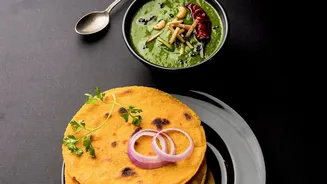
growing season and resilient ingredients like barley, buckwheat, and apricot. Chefs and restaurateurs are delving into centuries-old traditions to showcase dishes once found only in family homes. Figures like Nilza Wangmo of Alchi Kitchen and the founders of Namza Dining are bringing authentic Ladakhi food to the forefront. Their menus feature items rarely seen outside the region, such as chhu-tagi (bow-tie pasta in broth), khambir (sourdough flatbread), and dishes made with foraged herbs like wild caraway. This isn't just about food; it's a mission to preserve cultural heritage, safeguard recipes from the memories of elders, and present them in a way that feels both authentic and contemporary.
New Flavours for a Global Palate
While India rediscovers its own culinary depth, its global identity is also transforming. In Tokyo, a city known for its demanding food culture, Indian dining is moving far beyond the basics. The city now boasts restaurants specializing in specific regional cuisines that were previously hard to find. Bangera's Kitchen, for example, has earned a Michelin Bib Gourmand for its focus on coastal Mangalorean food, while Nirvanam brings the distinct flavours of South India, and Erick South offers Tamil Nadu-style cuisine. There's even Kochiyo, a restaurant blending the cuisines of Kerala with Arabic flavours, reflecting centuries of trade history. This diversification shows a global audience that is ready for more than just naan and curry; they're exploring the nuanced, varied tastes from across the subcontinent.
Why the Change is Happening Now
Several factors are driving this culinary shift. A new generation of Indian chefs is looking past conventional training to explore their own heritage. Chef Jigmet Mingur, a former monk, now reinterprets Ladakhi traditions through intimate tasting menus, while chefs like Kunzes Angmo and Vanika Choudhary are collaborating to bring Himalayan ingredients to major cities. Simultaneously, consumers worldwide are becoming more adventurous. Data shows a clear move away from formerly standard dishes like chicken tikka masala toward more regional specialities like biryani and chaat. The motivations for eating Indian food are also changing; diners are increasingly seeking authenticity and comfort, treating it not as an experiment but as a trusted, go-to cuisine. This growing familiarity creates a fertile ground for more specific and diverse offerings to flourish, both at home and abroad.
A Tale of Two Kitchens
The parallel stories of Ladakh and Tokyo perfectly illustrate this evolution. In Ladakh, the focus is hyper-local—an inward-looking journey to document and elevate what is unique to the high Himalayas. Chefs work with ingredients dictated by the harsh climate, like yak butter and sea buckthorn, creating a cuisine of resilience and tradition. In Tokyo, the movement is outward-facing and interpretive. Here, chefs are ambassadors, introducing diners to the regional diversity of India. A restaurant like Biriyani Osawa, which earned a Michelin Bib Gourmand, has gained a cult following by focusing on just one dish and perfecting it. Another, Andhra Dining, offers an upscale take on the fiery cuisine of Andhra Pradesh. One movement is about preservation, the other about presentation, but both are expanding the definition of what Indian food can be.