





The Cloud Computing Loophole
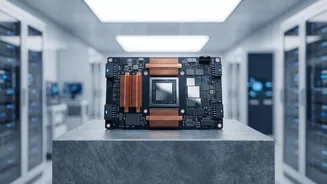
For years, US export controls focused on preventing the physical shipment of high-end semiconductor chips, like those made by Nvidia, to restricted countries such as China and Russia. The logic was simple: if they can't get the hardware, they can't build
powerful AI systems for military or intelligence purposes. However, a significant gap emerged. What if you didn't need to buy the chips at all? Companies quickly found they could rent computing power from data centers located in third-party countries. This 'Infrastructure-as-a-Service' model allowed entities in restricted nations to train their AI models on top-tier American technology without ever taking physical possession of a single chip, effectively sidestepping the export rules.
Washington's New Guardrails
On November 16, 2026, the Commerce Department's Bureau of Industry and Security (BIS) released an interim final rule to address this remote-access problem. The new regulation requires a license for exporting advanced computing items to any data center in the world if there is knowledge that it will provide significant computing power to a company headquartered in a restricted nation. The rule sets a specific performance threshold and requires data center operators to perform due diligence on their customers to ensure they aren't fronts for restricted entities. This shifts the focus from just controlling hardware shipments to controlling who can ultimately use the computing power, no matter where the servers are physically located.
Expanding the Zone of Control
The new rules also expand geographic controls. Recognizing that some countries could be used as hubs for diverting technology, the Commerce Department added new license requirements for advanced chip exports to Malaysia, Singapore, Indonesia, Thailand, and Brazil. These nations were identified as presenting a higher-than-normal risk of diversion, where chips could be re-exported to their final, restricted destinations. This measure aims to prevent the creation of new hotspots for circumventing US policy. An exception exists for items destined for a company headquartered in the US or an allied nation, but it comes with strict reporting requirements.
The Ripple Effect on Industry
These tightened controls are sending ripples across the global tech industry. Data center operators, especially in Southeast Asia, now face a significant compliance burden. They must implement 'know-your-customer' protocols to vet their clients' ownership and intended use of the computing power they rent. For US chipmakers, the rules represent a double-edged sword. While they align with national security goals, they also risk cutting off revenue from major international markets. In response, some analysts predict this will accelerate China's push for domestic chip development and technological self-reliance, potentially benefiting Chinese semiconductor firms in the long run.
An Evolving Technological Battlefield
The new regulations underscore the cat-and-mouse game between regulators and those seeking to acquire sensitive technology. The rules are designed to be a 'logical extension' of existing controls, adapting to a reality where access is as important as ownership. However, enforcement remains a major challenge. Policing the vast and complex world of cloud computing and international shell companies is difficult. This move signals a more fundamental shift in US policy, treating large-scale computing power itself as a controlled technology, much like advanced weaponry. The effectiveness of these rules will depend not just on their text, but on vigilant enforcement and continuous adaptation to new circumvention tactics.