


The Monsoon's Central Role
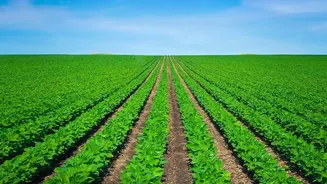
The annual monsoon is more than just a weather event; it’s a critical economic engine. It provides around 70% of India's annual rainfall, replenishing reservoirs and determining the fate of the crucial kharif (summer) crops. A significant portion of India's farmland
is rain-fed, making millions of farmers directly dependent on the timing and distribution of these rains. A strong, evenly distributed monsoon typically leads to bumper harvests, which helps keep food prices stable. Conversely, a weak or erratic monsoon can disrupt this delicate balance, leading to lower crop yields and setting the stage for inflation. The Reserve Bank of India (RBI) consistently flags a deficient monsoon as a primary risk to the country's growth and inflation outlook.
From Deficit Rains to Your Dinner Plate
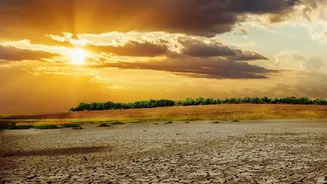
The link between rainfall and food prices is a direct chain of events. Weaker rains mean less water for major crops like rice, pulses, oilseeds, and certain vegetables. This moisture stress can reduce the total agricultural output. When supply shrinks and demand remains constant, prices naturally rise. The impact isn't just felt in rural farm incomes; it quickly translates to higher wholesale prices and, eventually, higher retail costs for urban and rural consumers alike. As of early August 2026, the cumulative seasonal rainfall was 12% below the Long Period Average, a deficit attributed to the development of moderate El Niño conditions which tend to suppress monsoon activity. While rainfall improved in July, forecasts for August initially predicted below-normal precipitation, creating uncertainty.
Which Food Prices Are Most at Risk?
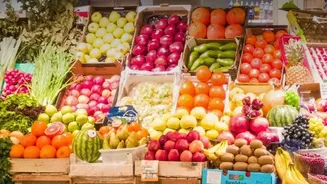
Not all food items are equally affected. The most vulnerable are those heavily reliant on monsoon rains. This includes staples like pulses (dal), certain coarse cereals, and a wide variety of vegetables. Recent data from July 2026 already showed a rise in the Consumer Food Price Index (CFPI) to 5.52%. This increase was driven by notable price hikes in items like ginger, garlic, and onions, even as tomato prices provided some relief. While India maintains substantial buffer stocks of essential food grains like wheat and rice, which can help cushion against immediate shocks, the prices of perishable items like vegetables are far more volatile and directly reflect current supply disruptions. Experts note that food prices will remain a key factor driving overall inflation in the coming months.
The Government and RBI's Toolkit
Policymakers are not helpless in the face of a weak monsoon. The government can use several tools to manage food inflation. These include releasing buffer stocks to improve supply, placing limits on exports of essential commodities to keep them within the country, and cracking down on hoarding. On the monetary policy side, the RBI closely monitors the situation. While food inflation driven by supply shocks is difficult to control with interest rate hikes, the central bank watches for signs that these price pressures are becoming more generalized or are affecting long-term inflation expectations. Currently, while retail inflation rose to 4.45% in July, it remains within the RBI's tolerance band of 2-6%. This gives the central bank some room to wait and watch how the rest of the monsoon season unfolds before considering policy changes.
What to Watch for in the Coming Weeks
The situation remains dynamic. The India Meteorological Department (IMD) has issued alerts for heavy to very heavy rainfall in several parts of eastern, central, and northern India for the period of August 16-22. This intense spell could help reduce the overall rainfall deficit, which stood at 12% as of August 10. However, the distribution of this rainfall is just as important as the total volume. Heavy downpours in some regions can lead to flooding and crop damage, while other areas might remain dry. The key will be whether the late-season rains are widespread enough to benefit standing crops and improve soil moisture for the upcoming rabi (winter) sowing season. The performance of the monsoon in the latter half of the season will be the deciding factor for agricultural output and, consequently, the trajectory of food inflation for the rest of the year.