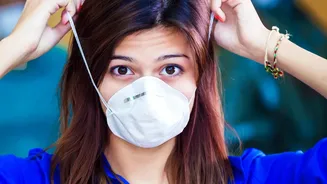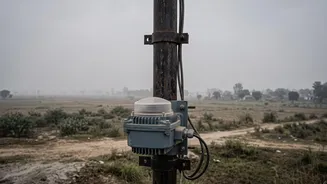




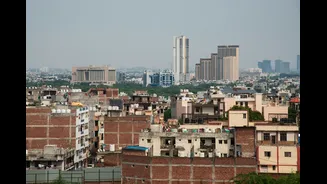

As winter approaches, a familiar haze descends on many Indian cities. While we worry about outdoor air, the bigger threat may already be inside. Here’s how to turn your home into a clean air sanctuary during the worst of the smog season.
Understanding the Invisible Threat Indoors
When smog blankets
the city, our instinct is to shut the doors and windows and wait it out. But homes are not airtight fortresses. Fine particulate matter, especially the dangerous PM2.5, infiltrates our living spaces through countless tiny gaps. Once inside, these outdoor pollutants mix with indoor-generated contaminants like volatile organic compounds (VOCs) from cleaning products and furniture, dust, mold spores, and emissions from cooking. This toxic cocktail can be two to five times more polluted than the air outside, making our homes a surprising source of respiratory irritation, allergies, and other health issues.
Seal Your Home Like a Fortress
Your first line of defense is to block pollutants at the source. Start by meticulously sealing any cracks and gaps around windows and doors using weatherstripping tape or caulk. Pay close attention to entry points for window-mounted air conditioners and exhaust fan vents. Even a rolled-up towel at the base of a door can make a significant difference in preventing polluted air from drafting in. Latching windows and doors completely compresses the weatherstripping, creating a tighter seal. This simple step is crucial for reducing the constant infiltration of outdoor smog.
Choosing and Using Air Purifiers Wisely
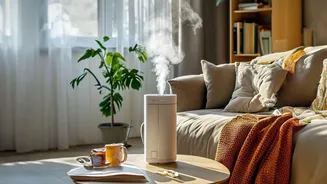
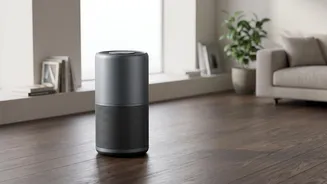
An air purifier is a powerful tool, but only if chosen and used correctly. Look for a model with a High-Efficiency Particulate Air (HEPA) filter, which is the standard for capturing 99.97% of particles as small as 0.3 microns, including PM2.5. Also, check the Clean Air Delivery Rate (CADR), which tells you how quickly the purifier cleans a room. The higher the CADR, the larger the room it can handle effectively. For best results, place the purifier in the room where you spend the most time, like the bedroom, and run it continuously on a low setting, especially during high pollution days. Remember to change the filters as recommended by the manufacturer; a clogged filter is an ineffective one.
The Smart Ventilation Strategy
While sealing your home is important, you still need to ventilate to prevent the buildup of indoor pollutants like CO2. The key is to be strategic. Before opening any windows, check the local Air Quality Index (AQI). Air quality often improves slightly in the mid-afternoon, typically between 1 PM and 3 PM, when sunlight can help disperse some surface-level pollutants. Use this brief window to air out your home for 10-15 minutes. When cooking or showering, always use an exhaust fan that vents outside to remove moisture and fumes at the source.
Low-Tech, High-Impact Habits
Beyond gadgets, simple daily habits can significantly improve indoor air. Implement a strict 'no_shoes' policy to prevent dirt, chemicals, and pollutants from being tracked inside. Regular wet mopping of floors and damp dusting of surfaces helps capture settled particles without sending them back into the air. Be mindful of indoor pollution sources. Avoid using aerosol sprays, strong chemical cleaners, and even burning incense or candles, which all release VOCs. Opt for natural cleaning solutions like vinegar and baking soda. When you cook, especially when frying, use lids on your pots to minimize smoke.
The Role of Indoor Plants
While not a magic bullet against severe smog, some houseplants can help filter common indoor toxins and improve the air quality. Plants like Snake Plants, Areca Palms, and Peace Lilies are known for their ability to absorb pollutants such as formaldehyde and benzene. Placing a few plants in your living spaces can be a beneficial, natural supplement to your other air_cleaning efforts, though they cannot replace the effectiveness of a HEPA purifier for fine particulate matter.