

A Human-Made Star in Orbit
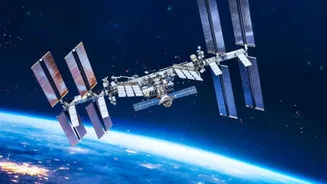
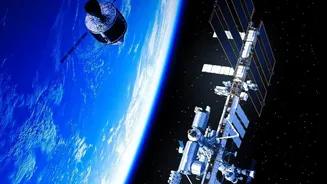
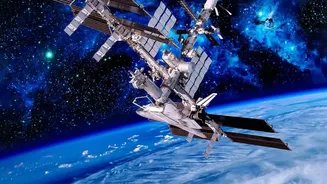
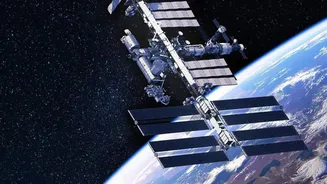
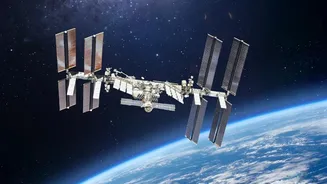
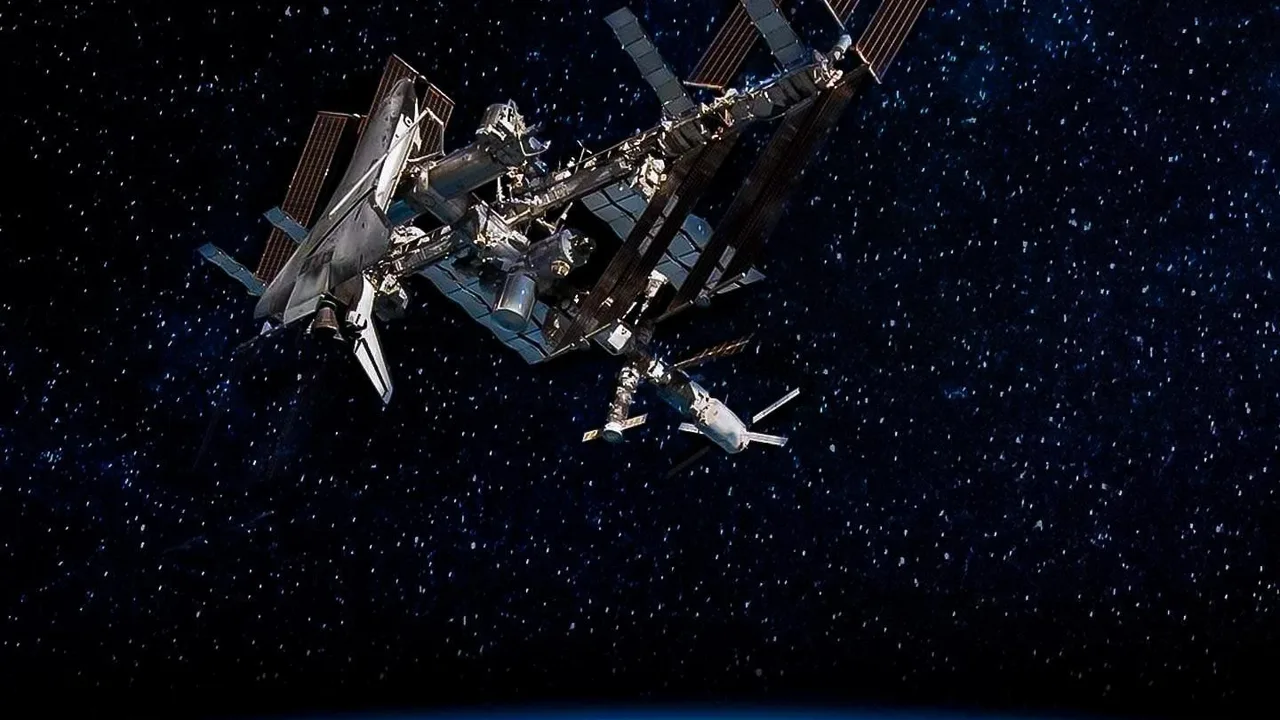
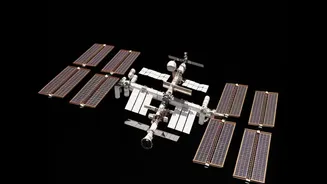
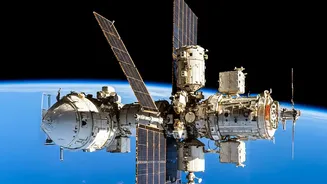
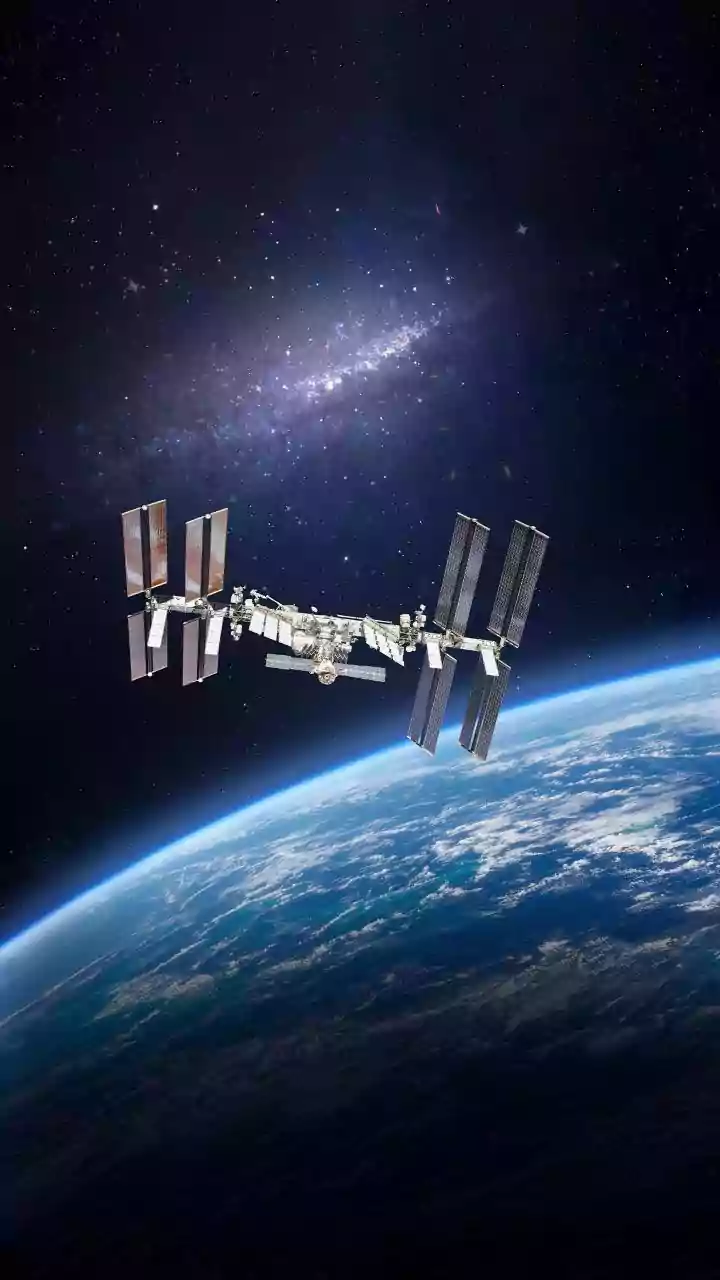
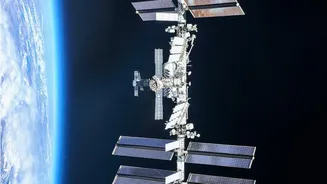
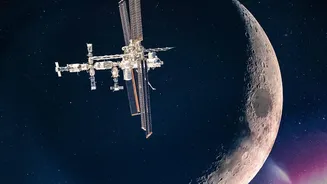
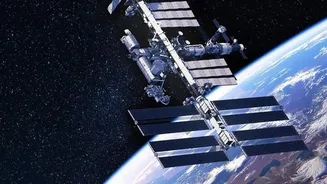
The International Space Station (ISS) is a remarkable feat of engineering and cooperation, a football field-sized laboratory orbiting roughly 400 kilometres above our heads. Home to a rotating crew of astronauts conducting research in microgravity, it circles
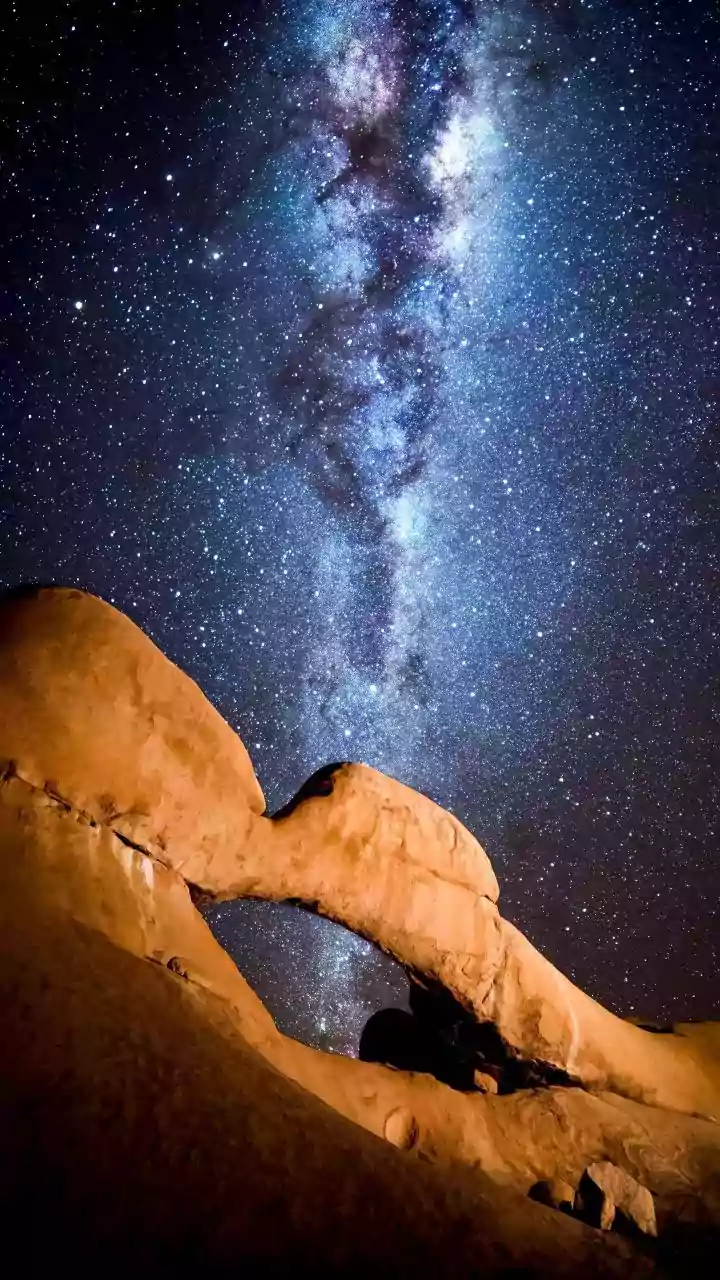
the Earth approximately every 90 minutes at a staggering speed of over 27,000 km/h. You don't need a telescope or binoculars to see it; the ISS is one of the brightest objects in the night sky, outshining even the brightest stars. Its visibility comes not from its own lights, but from its massive solar arrays reflecting sunlight back down to Earth, making it appear like a fast-moving, brilliant point of light.
Why Timing Is Everything
Spotting the ISS is all about perfect timing. It’s only visible when it is dark where you are, but the station itself is still illuminated by the sun high above. This creates two specific viewing windows each day: the hours shortly after sunset and just before sunrise. During these twilight periods, the sky is dark enough for the reflected sunlight to stand out dramatically. A pass can last anywhere from a couple of minutes to over six, as the station travels from one horizon to the other. Calculating these precise moments for your exact location used to be a complex task, but now, a new generation of apps does all the heavy lifting for you.
Your Pocket Guide to the Cosmos
Skywatching apps are the modern-day astronomer's secret weapon. Using your phone’s GPS, these applications pinpoint your location and cross-reference it with the ISS's orbital path. The result is a personalised schedule of every visible pass, complete with timings, directions, and even a brightness rating. The best feature for casual observers is the notification system. These apps can send you an alert minutes before a pass is about to begin, so you never miss an opportunity. You no longer need to be an expert; you just need to know when to look up.
Top Apps for ISS Spotting
Choosing an app can feel overwhelming, but a few stand out for their reliability and user-friendly features. NASA's official Spot The Station app is a great starting point, offering simple, accurate alerts and sighting data. For those who want a bit more, ISS Detector is celebrated for its clear interface and ability to track other satellites, too. Many apps also include an Augmented Reality (AR) feature. Apps like SkyView or Satellite Tracker by Star Walk allow you to point your phone at the sky, and they will overlay the station's path on your screen, showing you exactly where it will appear and travel. For users in India, apps like Orbit provide a clean interface that includes an ISS pass predictor among other astronomy tools tailored for local stargazers.
Tips for a Perfect Sighting
Once you have your alert, a little preparation goes a long way. First, find a viewing spot with a clear view of the sky, away from tall buildings and bright city lights if possible. Head outside about five minutes before the scheduled pass to let your eyes adjust to the darkness; avoid looking at your bright phone screen right before the event. The app will tell you which direction the ISS will appear from (often in the west) and where it will disappear. Remember what you’re looking for: a bright, steady white light moving smoothly and quickly. Unlike an airplane, it will not have flashing red or green lights. Just watch as this silent, brilliant beacon of human achievement glides across the heavens.