


Understanding the Fats in Your Food
Before we can compare ghee and oils, it's crucial to understand the main players: fats. Fats are essential for our bodies, but not all are created equal. They are broadly divided into two categories: saturated and unsaturated. Saturated fats, which are solid
at room temperature, have been linked to higher levels of LDL or "bad" cholesterol when consumed in excess. This can increase the risk of heart disease. Unsaturated fats, typically liquid at room temperature, are considered heart-healthy. These are further broken down into monounsaturated (MUFA) and polyunsaturated (PUFA) fats, which include vital omega-3 and omega-6 fatty acids.
A Closer Look at Ghee
Ghee, or clarified butter, holds a hallowed place in Indian cuisine and tradition. It’s made by heating butter to remove milk solids and water, resulting in a pure fat with a high smoke point. Its primary component is saturated fat, making up about 60-65% of its fatty acid profile. While some studies suggest ghee contains beneficial compounds like butyrate and fat-soluble vitamins, its high saturated fat content is a significant concern for cardiovascular health. Major health organisations recommend limiting saturated fat intake because of its strong link to elevated LDL cholesterol, a primary risk factor for plaque buildup in arteries. While ghee isn't inherently evil, a diet high in ghee can contribute to an excessive intake of saturated fat.
The Power of Cold-Pressed Oils
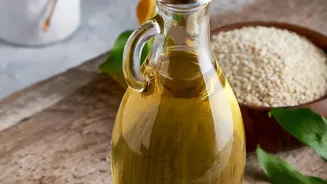
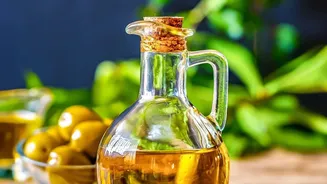
This is where cold-pressed oils shine. The term "cold-pressed" refers to an extraction method that doesn't use high heat or chemical solvents. This gentle process ensures the oil retains its natural nutrients, antioxidants, flavour, and, most importantly, its healthy unsaturated fats. Oils like mustard, groundnut, sesame, and olive oil are rich in monounsaturated and polyunsaturated fats. For example, mustard oil is praised for its ideal ratio of omega-6 to omega-3 fatty acids, which is highly beneficial for heart health. In contrast, refined oils undergo intense processing that strips them of these beneficial compounds.
How Unsaturated Fats Protect Your Heart
The mechanism by which unsaturated fats protect the heart is well-documented. Both MUFAs and PUFAs actively work to lower LDL ("bad") cholesterol levels in the blood, which reduces the risk of plaque formation in the arteries. They can also help increase HDL ("good") cholesterol. Furthermore, the omega-3 fatty acids found in oils like mustard and flaxseed oil have anti-inflammatory properties and are crucial for maintaining the flexibility of blood vessels. By consistently choosing oils rich in these fats, you are actively supporting your cardiovascular system and reducing long-term risk of heart disease.
The Verdict: A Clear Winner for Daily Use
When comparing the nutritional profiles, cold-pressed oils are the clear winners for daily cooking and heart protection. Their high concentration of heart-healthy unsaturated fats and antioxidants provides a clear advantage over the saturated fat-heavy composition of ghee. While some research points to neutral or even slightly positive effects of ghee in moderation, multiple studies confirm that replacing saturated fats with unsaturated fats is one of the most effective dietary changes for lowering cardiovascular risk. This doesn't mean you have to banish ghee from your kitchen entirely. It can still be enjoyed for its flavour in small amounts. However, for everyday cooking—from tadkas to sautés—relying on a variety of cold-pressed oils is the smarter, heart-healthier choice.
Practical Swaps for a Healthier Kitchen
Making the switch is simpler than you think. A good approach is to rotate your oils to get a diverse range of fatty acids. Use cold-pressed mustard oil for its high smoke point and excellent omega-3 content in general cooking. Cold-pressed groundnut oil is also a great option for high-heat cooking. For dressings and drizzling, extra virgin olive oil provides a potent dose of MUFAs and antioxidants. Think of ghee as a finishing touch for flavour—a teaspoon over dal or on a roti—rather than your primary cooking medium. This balanced approach allows you to enjoy tradition while prioritising your long-term heart health.